0%

Choosing Garden Furniture suppliers for international orders involves more than comparing catalogues and unit prices. Buyers must consider how products will perform in different climates, arrive safely, and remain consistent across repeat orders. A teak chair may look sturdy in a showroom, while its joinery, finish, and moisture content matter more after months outdoors. Powder-coated frames, woven resin, and removable cushion covers each bring different maintenance needs.

This guide examines suppliers through practical buyer questions: What materials and customization options are available? How are dimensions, finishes, and packaging checked before shipment? Can the supplier provide clear product specifications, sample orders, and realistic production timelines? These details help buyers assess quality and communication before committing to a large purchase. Small details matter. A carton that protects one chair may not protect an entire container of furniture.

Supplier claims deserve careful review. Ask for recent samples, inspect workmanship, and confirm that quoted specifications match the goods being ordered. Where relevant, request applicable test reports or certifications, then verify their scope and date. Logistics also require attention: lead times, freight arrangements, replacement parts, and after-sales support can shape the true cost of a purchase. No checklist catches everything. Even a polished sample may not represent every production batch, so ongoing quality checks are worth discussing. The right partner depends on a buyer’s market, budget, and service expectations—not a single universal ranking. The following overview offers a grounded starting point for comparing potential suppliers and deciding which questions to ask before placing an order.
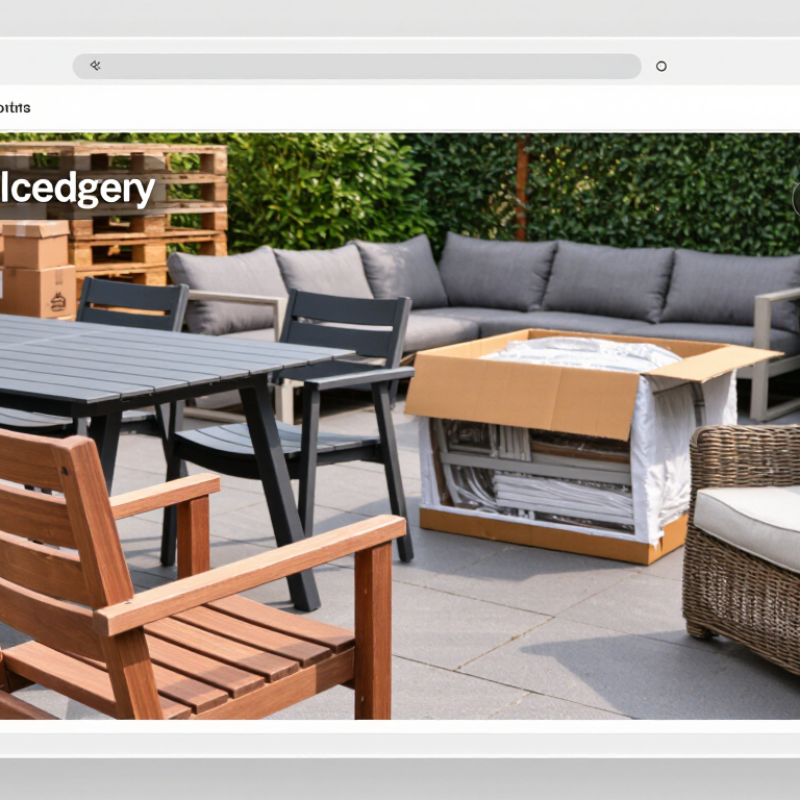
Top Garden Furniture Suppliers for Global Buyers?

Understanding the Global Garden Furniture Supplier Landscape

Global garden furniture sourcing is not a single-country story. Suppliers specialize in wood processing, metal fabrication, resin weaving, finishing, or high-volume assembly. Grand View Research valued the global outdoor furniture market at USD 54.8 billion in 2023, projecting 5.3% annual growth from 2024 to 2030. This broad category is not a direct measure of garden-only imports. Definitions matter.

For buyers, growth makes capacity checks more useful than a polished catalogue. Ask how a factory controls timber moisture, weld consistency in aluminum frames, and UV stability in woven resin. Request a production sample, packaging drop-test records, and clear lead-time assumptions before comparing quotations.

Small details matter. A low unit price can hide bulky freight, replacement-part delays, or finish variation between batches. Supplier audits and material traceability help, but neither replaces inspection of the actual order.

Regional choice also depends on destination and season. Nearby suppliers may simplify replenishment; distant production may offer specialization or scale, but requires earlier booking and careful container planning.

Compare total landed cost, defect handling, and spare-part availability—not just factory-gate price. Market reports show broad direction, not buyer-specific demand. Their category labels are imperfect, and forecasts are planning signals rather than promises.

Main Product Categories and Materials Offered by Suppliers

Garden furniture suppliers commonly offer dining sets, lounge seating, benches, sun loungers, and compact balcony pieces. Dining tables may pair with stackable chairs for easier storage. Lounge collections often include sofas, coffee tables, and adjustable recliners. Some suppliers also make cushions and protective covers. Small details matter: a chair’s arm height can affect comfort around a table.

Materials shape both appearance and upkeep. Aluminum frames are light and resist rust, while steel feels substantial but needs a suitable protective finish. Teak and other outdoor-suitable woods bring a warm grain; buyers should ask about care requirements and sourcing information. Woven resin offers a textured look without the weight of natural wicker. Check fabric details, too. Quick-drying foam and solution-dyed textiles may suit exposed spaces, but performance depends on construction and use.

A reliable supplier should provide clear dimensions, material specifications, finish options, and packaging details. Ask for samples or product photographs in natural light when color accuracy matters. Request test reports where relevant, and confirm what conditions they cover. A catalog can look complete, yet omit replacement parts or fabric choices. That gap deserves attention. Even a well-made set may need regular cleaning, and outdoor exposure varies widely by location.

How to Evaluate Suppliers for Quality, Price, and Reliability

Top Garden Furniture Suppliers for Global Buyers?

How to Evaluate Suppliers for Quality, Price, and Reliability

A supplier’s catalogue can look convincing, but samples reveal more. Check joints, welds, and finishes closely. Sit on a chair and test its balance on a flat floor. For outdoor pieces, ask how frames, fabrics, and coatings handle sun and moisture. Request material specifications and care instructions in writing. Photos help, but they cannot show a loose fitting or rough edge. I have sometimes overvalued neat product images; that was a poor shortcut.

Compare prices on the same basis. Confirm what the quote includes, such as packaging, spare parts, and delivery terms. Ask about minimum order quantities, production timelines, and how delays are communicated. A low unit price may not be the best value if packaging is weak or replacements are hard to obtain. Request a detailed quote. Keep the response.

Tips: Order a sample before a large purchase. Record defects with clear photos. Ask for references from buyers with similar order sizes, and check whether the supplier answers specific questions promptly.

Reliability also shows in small routines. Does the supplier confirm specifications before production? Can they explain inspection steps and share dated quality records? Agree on acceptable tolerances for color, dimensions, and finish. Put changes in writing, even when discussions feel friendly. One detail can be missed. Build in time for sample approval and shipping changes, especially during busy seasons. A careful supplier should welcome clear questions, though no checklist can remove every risk.

Steps for Sourcing Garden Furniture from International Suppliers

Before contacting international suppliers, define where the furniture will be used. A sunny patio, a coastal deck, and a covered café terrace place different demands on materials. Specify dimensions, expected order quantities, target price, and delivery window. Details matter. Clear requirements make supplier replies easier to compare.

Ask for product specifications, material descriptions, care instructions, and photos of joints, finishes, and hardware. For a larger order, request a sample or inspect a production sample before approving the full run. Check how cushions are packed and whether table legs need assembly. One overlooked detail can become a costly inconvenience.

Review the supplier’s production capacity, quality checks, communication habits, and export experience. Ask how defects are recorded and handled, and get agreed specifications in writing. Confirm packaging dimensions and shipping terms early, since bulky furniture can change freight costs. No checklist catches everything. It is tempting to judge a supplier by a polished catalogue, but clear answers and consistent follow-through are more useful. Build in time for revisions; product samples do not always match the final batch perfectly.

Typical Lead Time by Garden Furniture Sourcing Step

Indicative planning ranges for an international order, in calendar days

Bars show the midpoint of each typical range. Actual timelines vary with product complexity, sampling and testing needs, production capacity, and shipping route. Build in extra time for seasonal demand and customs clearance.

Logistics, Compliance, and After-Sales Support for Global Buyers

For global garden furniture buyers, a supplier’s value extends beyond the product itself. Reliable logistics start with accurate carton dimensions, shipment weights, and loading plans. A trial shipment can show whether chair frames arrive scratched or small fittings go missing. Ask for production timelines, booking deadlines, and shipment updates in writing. Small details matter.

Outdoor furniture may pass through changing climates, so moisture barriers and sturdy corner guards deserve attention. Packaging should protect finishes without creating unnecessary waste. For destination-specific compliance, request relevant material specifications, test records, and clear shipping documents, such as the commercial invoice and packing list. Requirements vary by market and product. Buyers should verify applicable import and safety obligations with qualified local professionals rather than rely on a supplier’s general assurance.

After-sales support matters when a table arrives with a damaged leg or replacement hardware is needed months later. Confirm how claims are documented, which photos or batch details are required, and whether spare parts can be shipped separately. Response times should be realistic and agreed in advance. Even experienced teams can miss a small packing issue; a clear process makes correction less frustrating. A supplier that records recurring defects can also help prevent the same problem in later orders.

FAQS

Why should buyers request a sample before placing a large order?

A sample reveals loose joints, rough edges, and unstable chair legs. Photos cannot show everything.

What should buyers inspect on outdoor furniture?

Check welds, finishes, balance, and fabric. Ask how materials handle sunlight and moisture.

How can buyers compare supplier prices fairly?

Compare quotes with the same details, including packaging, spare parts, and delivery terms. Keep the written quote.

What questions help assess a supplier’s reliability?

Ask about minimum order quantities, production timelines, delay updates, and inspection records. Specific answers matter.

How should buyers document product changes?

Put changes to color, dimensions, or finish in writing. Friendly conversations can still miss details.

What packaging details should buyers confirm?

Request carton dimensions, shipment weights, and loading plans. Corner guards can help protect furniture finishes.

What shipping documents may buyers need?

Ask for clear shipping documents, such as a commercial invoice and packing list. Requirements vary by destination.

How should buyers prepare for damaged items or missing parts?

Agree on claim steps, required photos, response times, and spare-part options. Small packing issues happen.

Can a checklist remove every supplier risk?

No. I have trusted polished product photos too much before; samples and written records give better evidence.

Conclusion

Choosing the right Garden Furniture supplier requires understanding the global market and the range of products available, from dining sets and loungers to benches and outdoor storage. Suppliers may work with materials such as teak, aluminum, steel, resin wicker, and weather-resistant fabrics, each offering different benefits in durability, maintenance, appearance, and cost. Comparing these options helps buyers match products to their customers’ needs and intended climates.

Before placing an order, buyers should assess product quality, pricing, production capacity, communication, and delivery reliability. A clear sourcing process includes defining specifications, requesting samples, confirming order details, and agreeing on timelines and payment terms. International buyers should also plan for shipping, packaging, customs documentation, and applicable product requirements in their destination markets. Reliable after-sales support, including assistance with defects, replacement parts, and warranty questions, can help build a lasting supplier relationship.

Evelyn

Evelyn

Evelyn is a professional marketing specialist with a strong understanding of the company’s products, services, and customer needs. She regularly contributes expert articles to the company website, sharing clear, practical insights that help readers understand product features, compare options, and......