Industry Forecasting Future Sourcing & Product Evolution Trends (2025–2030)
As commercial purchasers, hotel procurement managers, and high-end residential interior designers navigate shifts in supply chain agility, environmental regulations, and buyer ergonomics, four clear evolutionary trends are reshaping the global villa patio dining set marketplace.
1. Sintered Stone & Mixed-Material Fusion
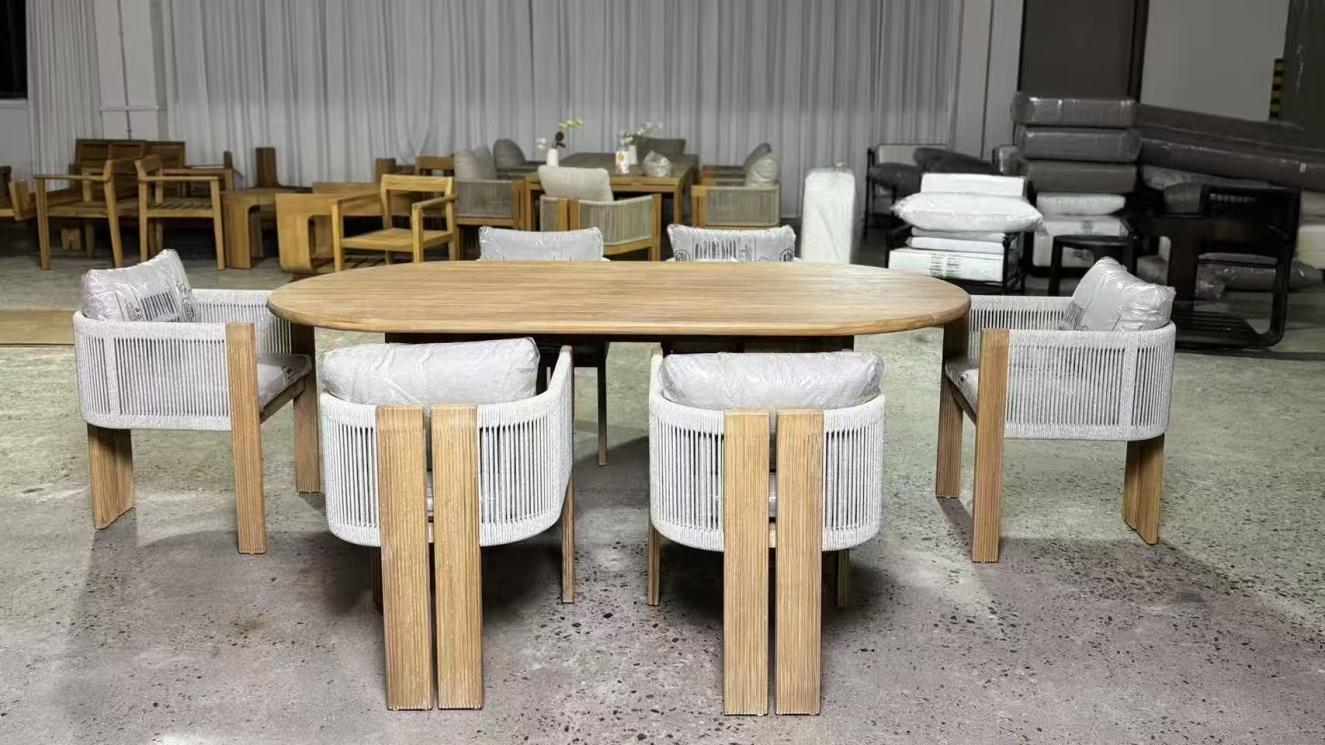
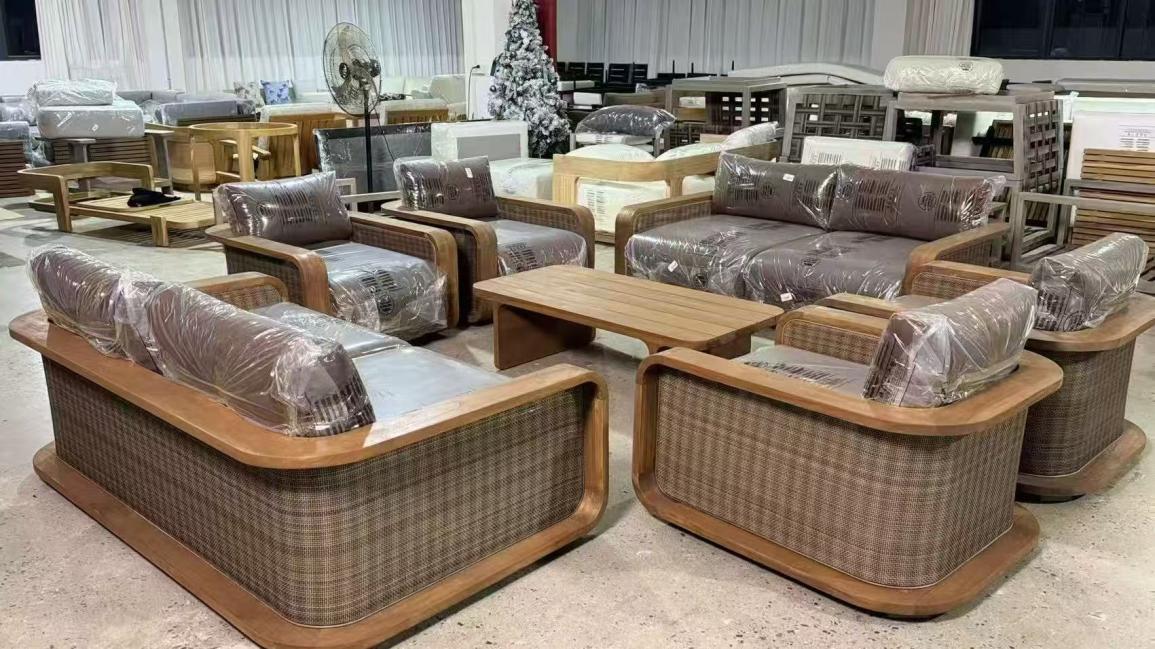
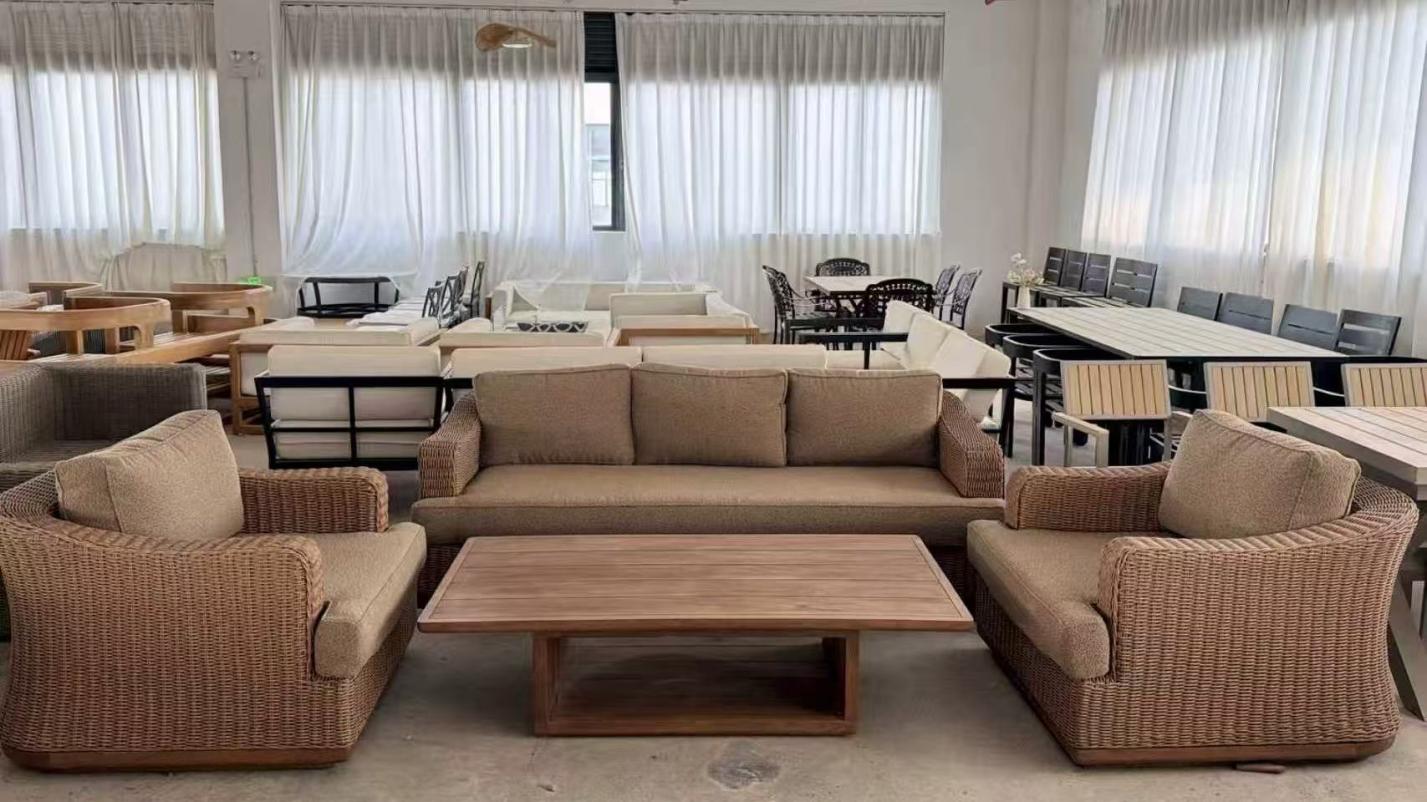
Monolithic timber sets are giving way to mixed-media architectures. Modern villa patio dining sets now synthesize powder-coated 6063 aluminum frames, natural Grade-A teak leg bases, and zero-absorption porcelain or sintered stone tabletops that resist scorching cookware, wine stains, and UV thermal expansion without degradation.
2. Container-Optimized Knock-Down (KD) Engineering
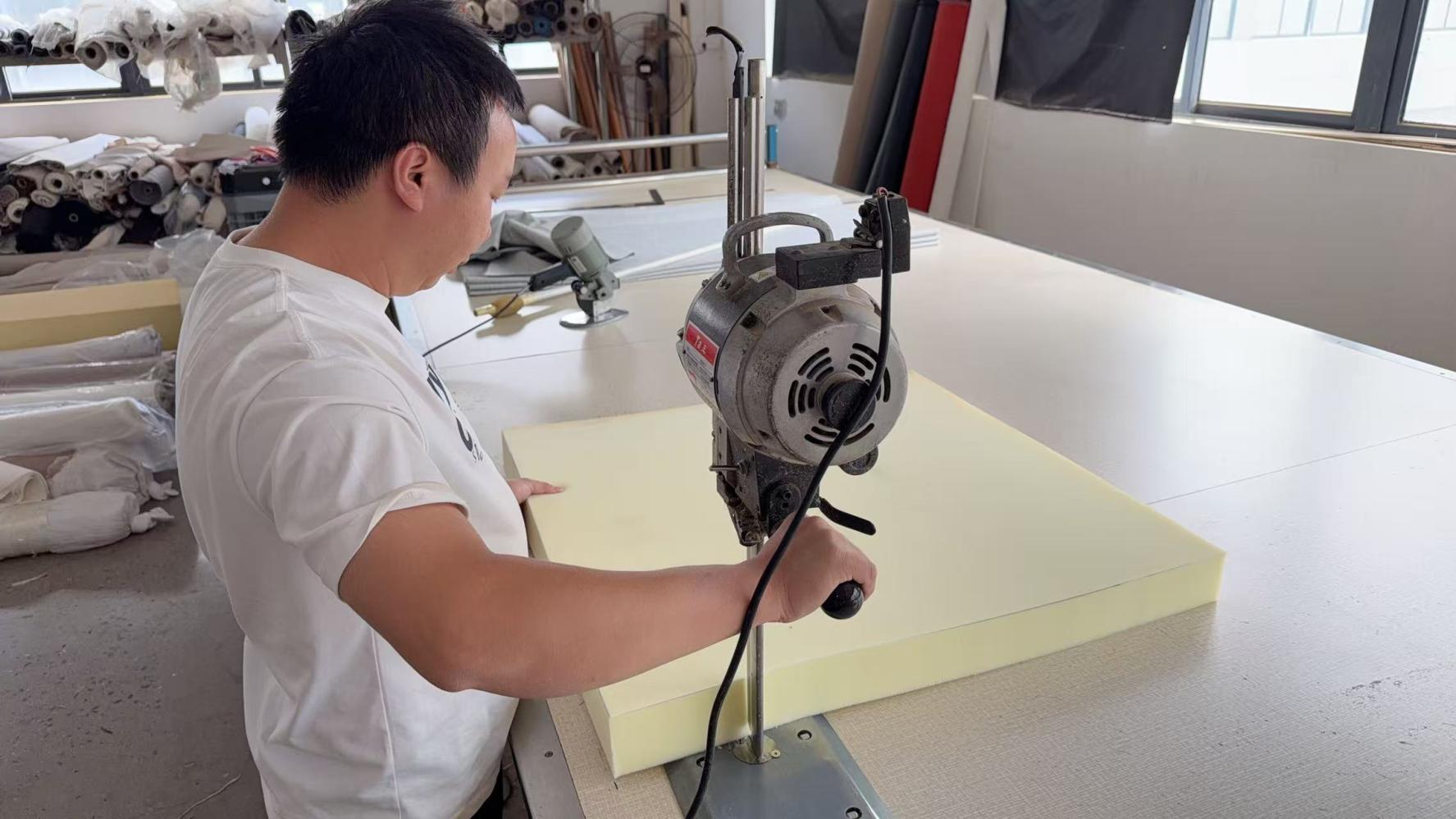
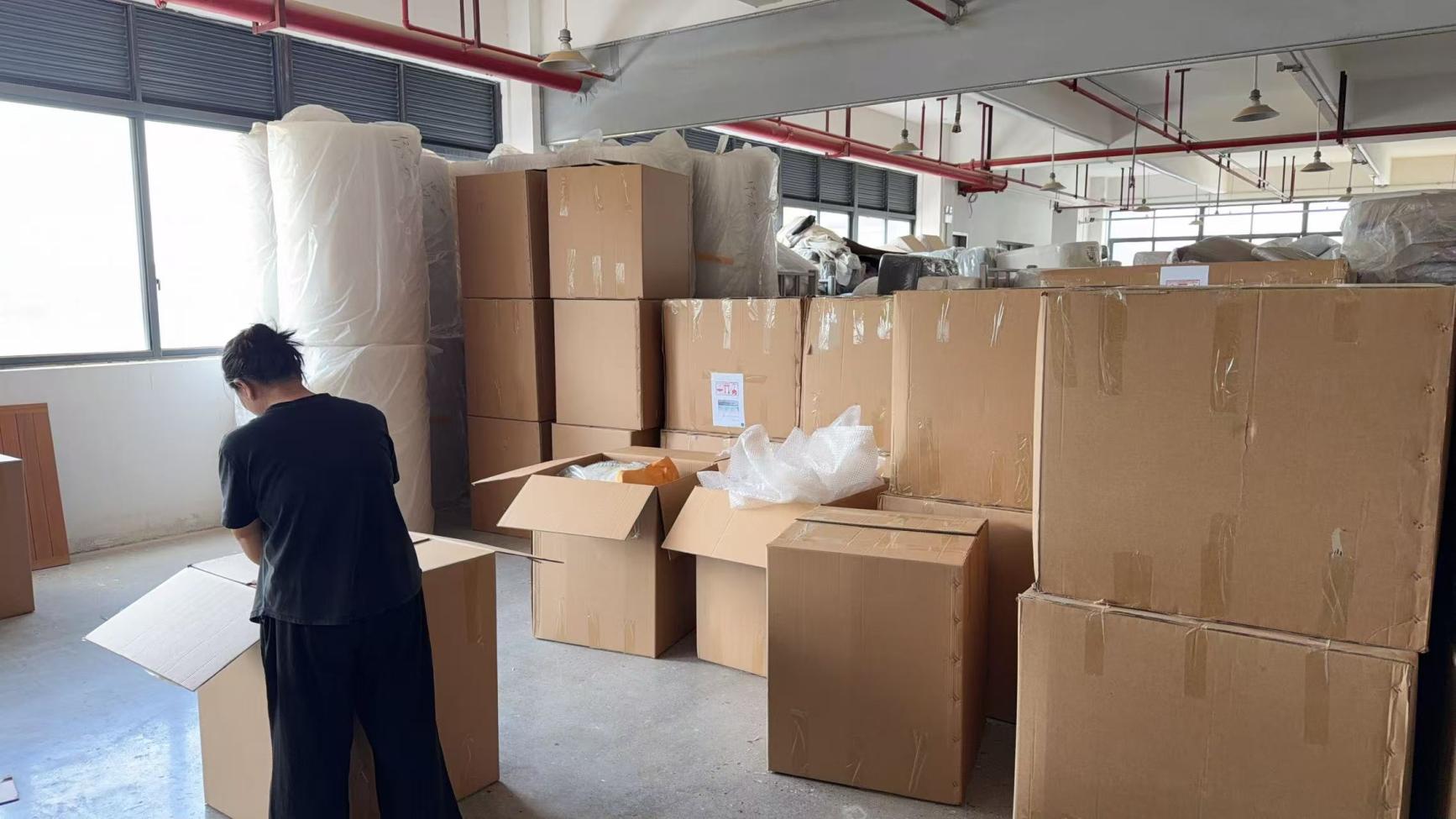
Skyrocketing ocean freight rates require intelligent modular engineering. Next-generation luxury villa dining tables feature proprietary internal steel-reinforced sleeve joints. This enables high-end items to pack completely flat, reducing cubic meters (CBM) by up to 55% while maintaining rock-solid commercial stability once assembled on-site.
3. Extreme Climate Resilience (High-Salinity & High-UV)
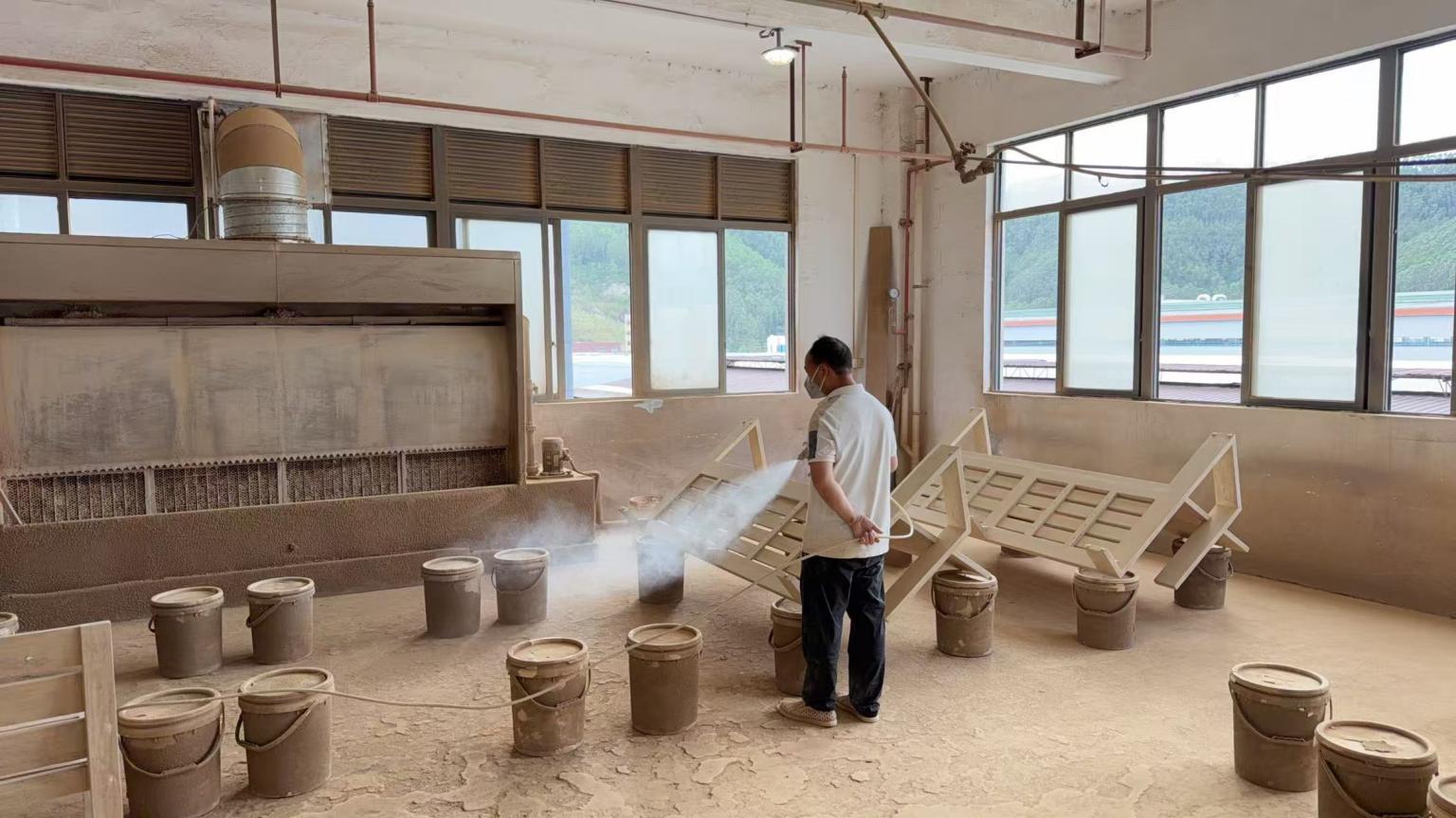
With massive real estate expansions across the Middle East, Caribbean, and Mediterranean, standard finishes fail within seasons. Sourcing trends prioritize 316-grade marine stainless fasteners, double-baked fluorocarbon powder coatings, and solution-dyed yarn with a minimum lightfastness score of Grade 7–8 under ISO 105-B02 standards.
4. Strict Timber Traceability & ESG Compliance
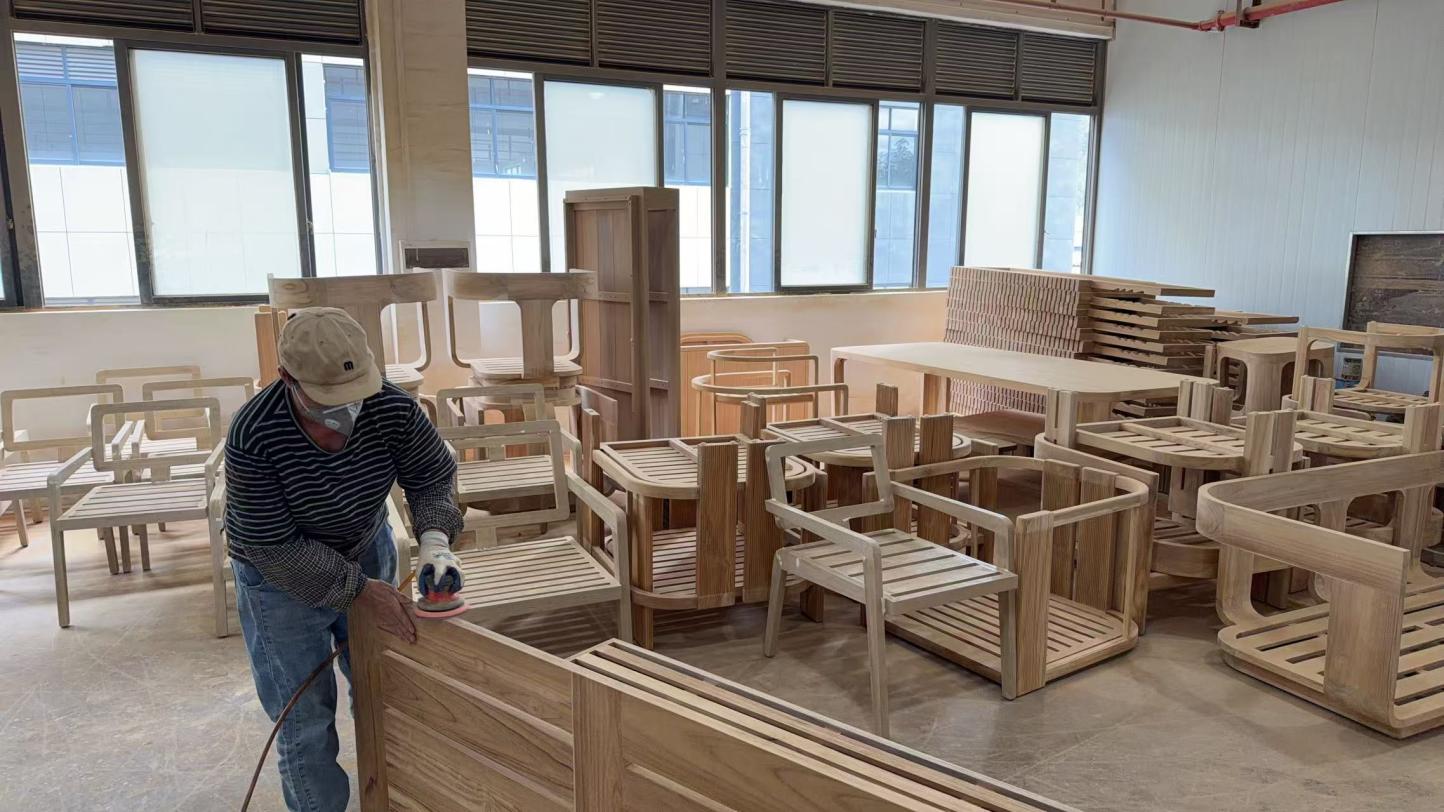
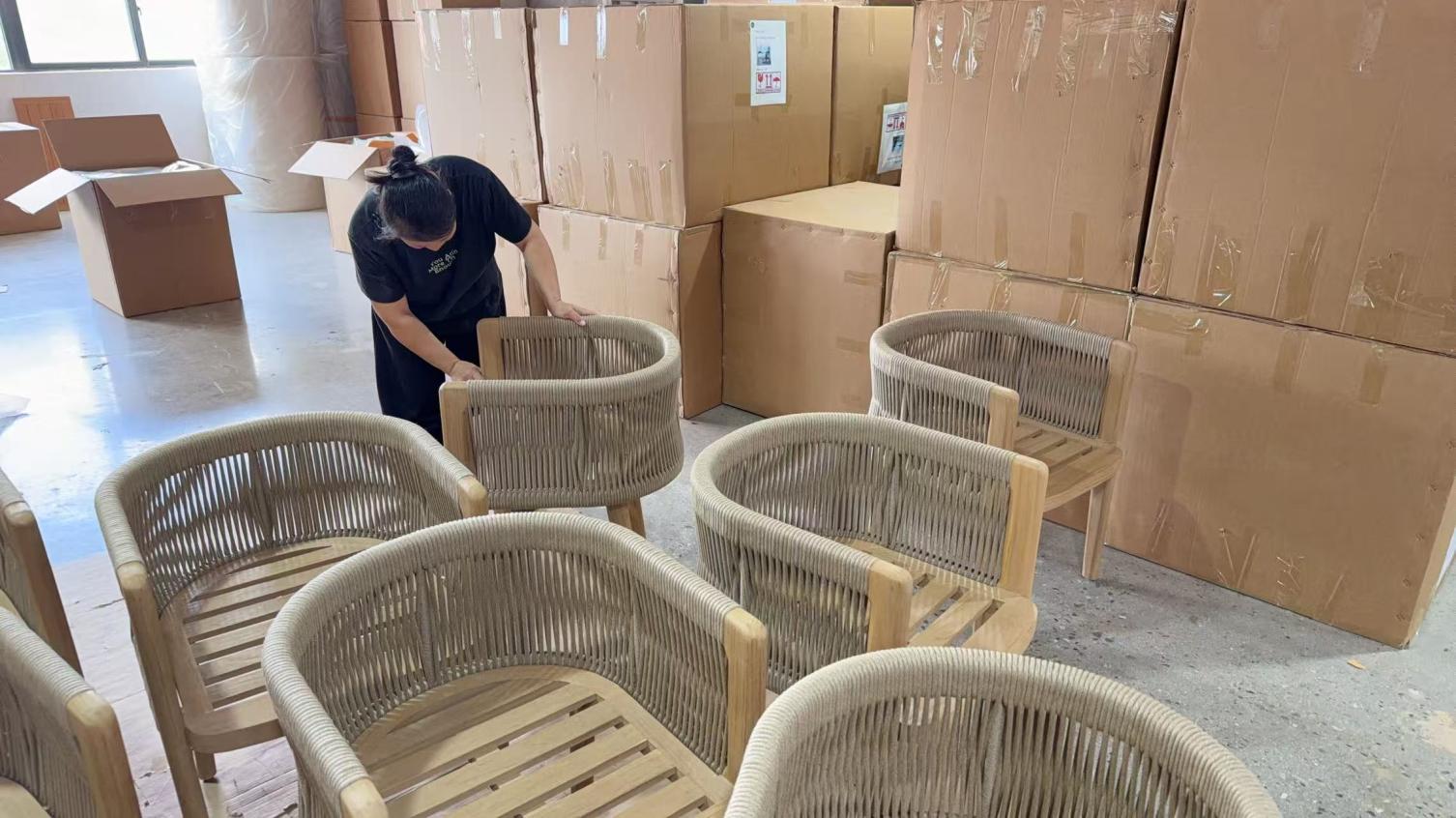
European and North American importers face rigorous import verifications under EU Deforestation Regulation (EUDR) and the Lacey Act. CLENT operates transparent timber tracking systems, guaranteeing that every piece of Grade-A teak is harvested legally from certified, environmentally sustained forestry plantations.