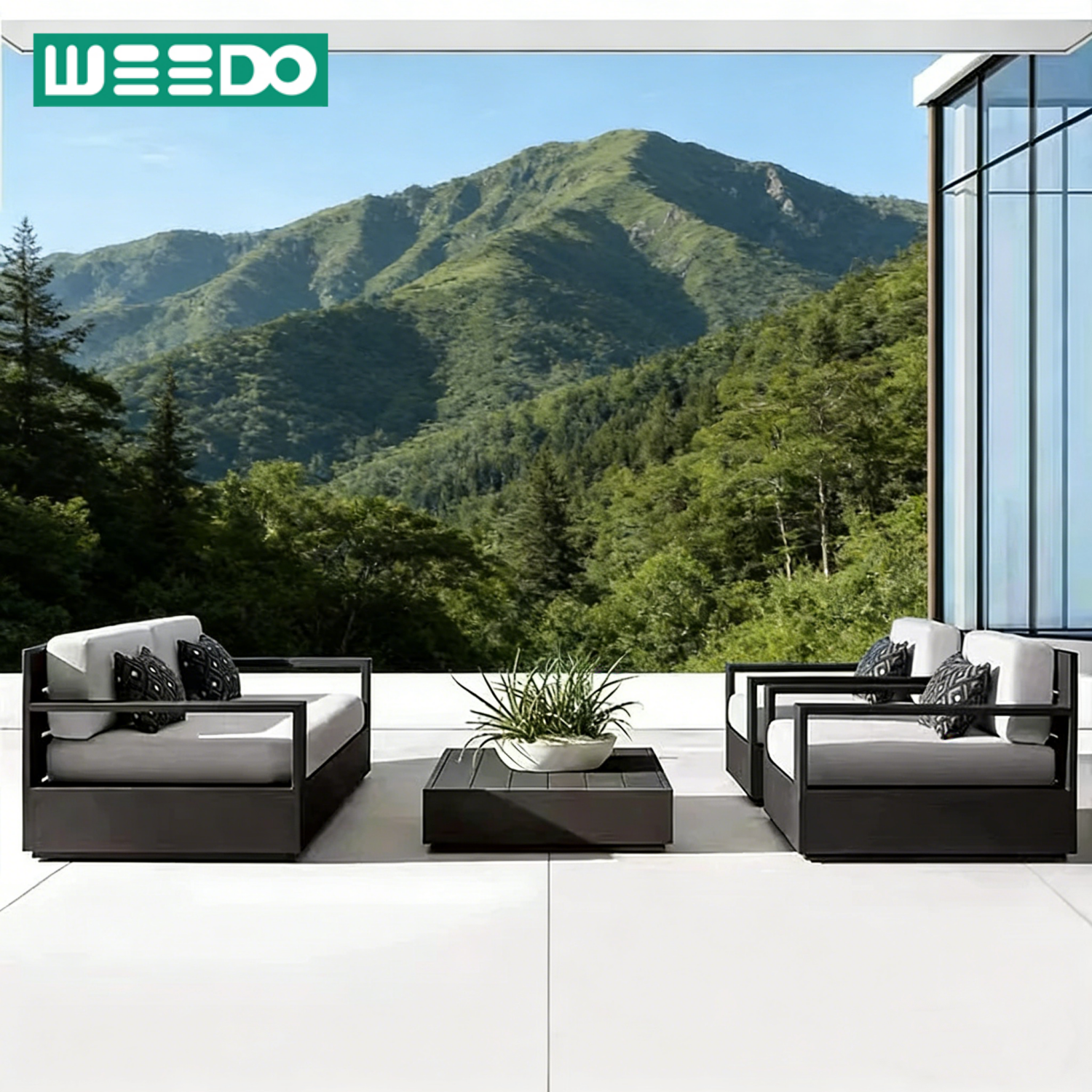
Factory Curated Portfolio
Commercial-Grade Outdoor Lounge & Dining Systems
Engineered to resist coastal salinity, extreme UV index variations, and rigorous commercial hospitality traffic while strictly conforming to European safety directives.
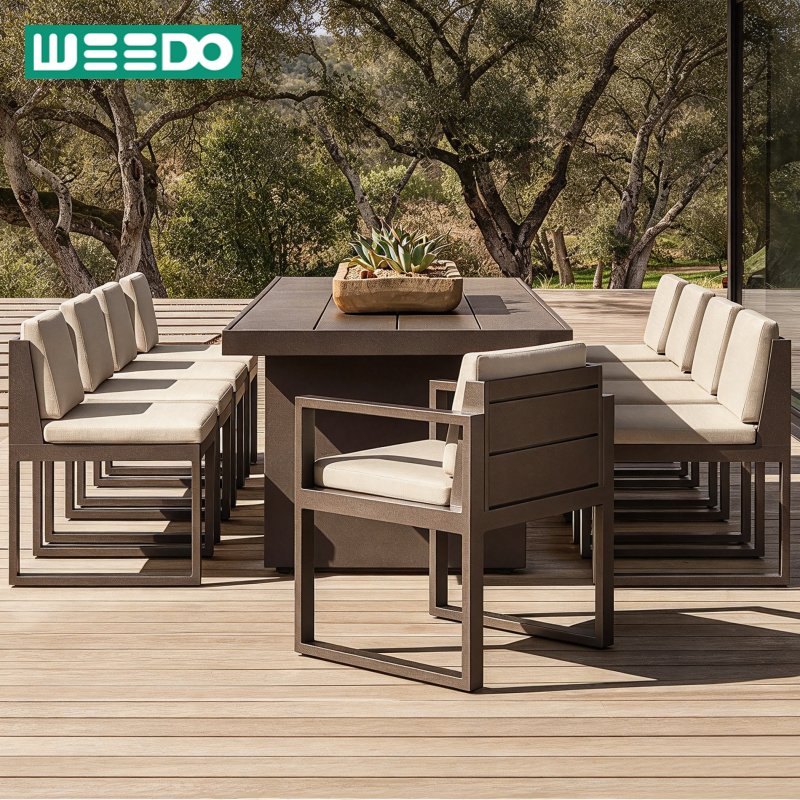


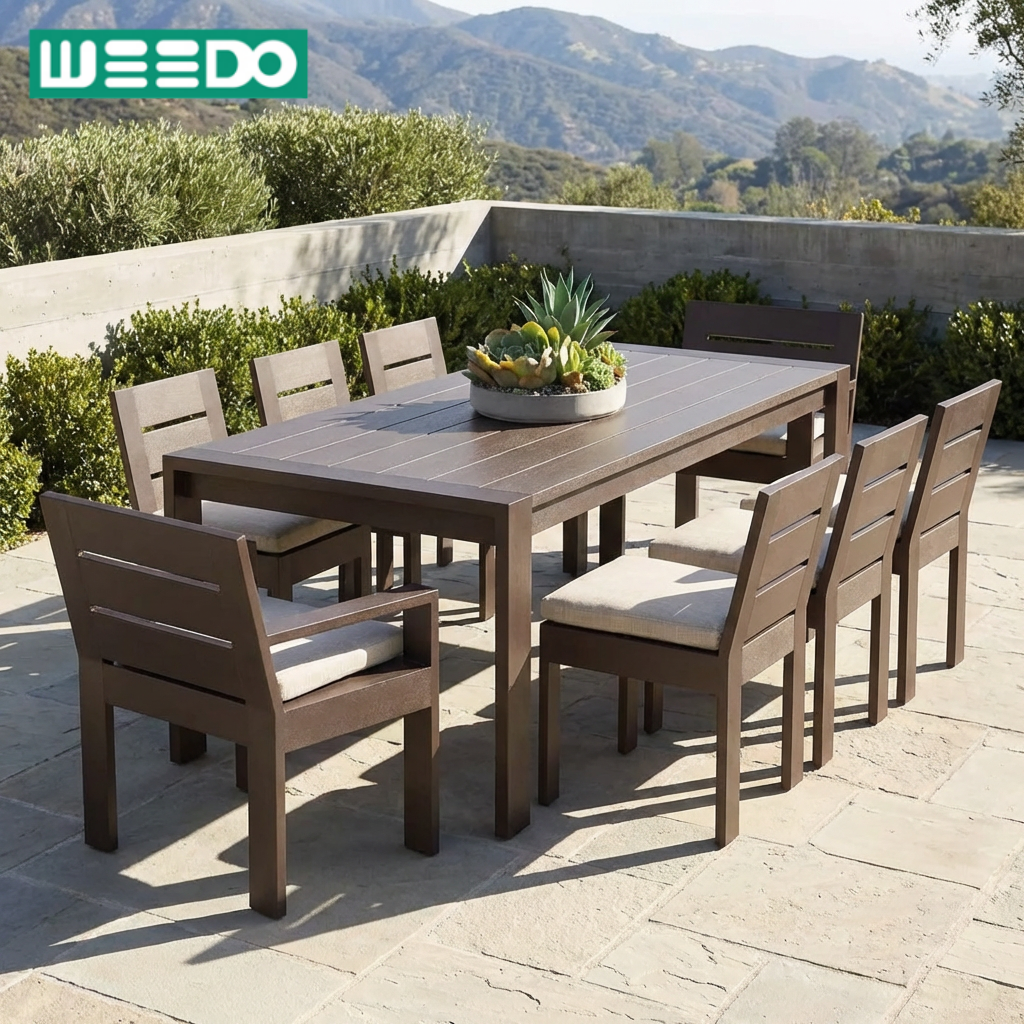
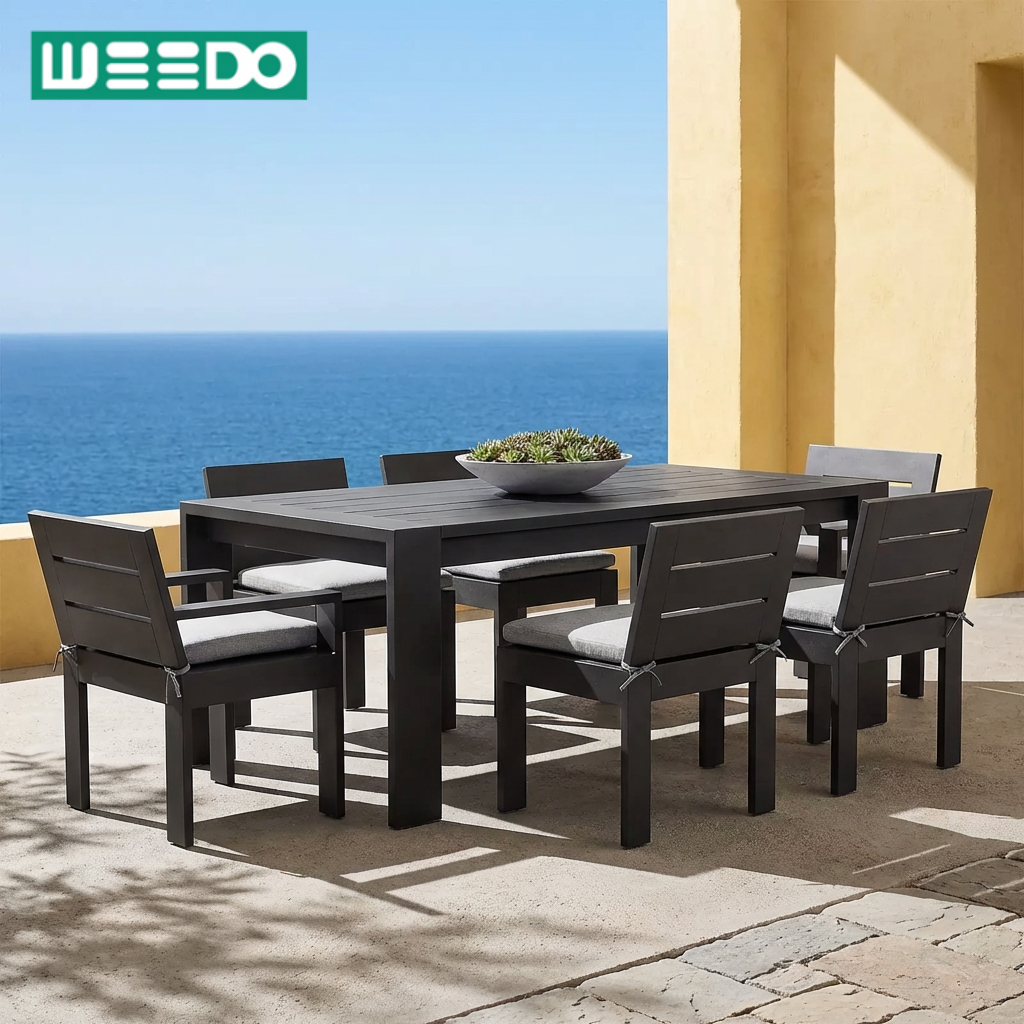
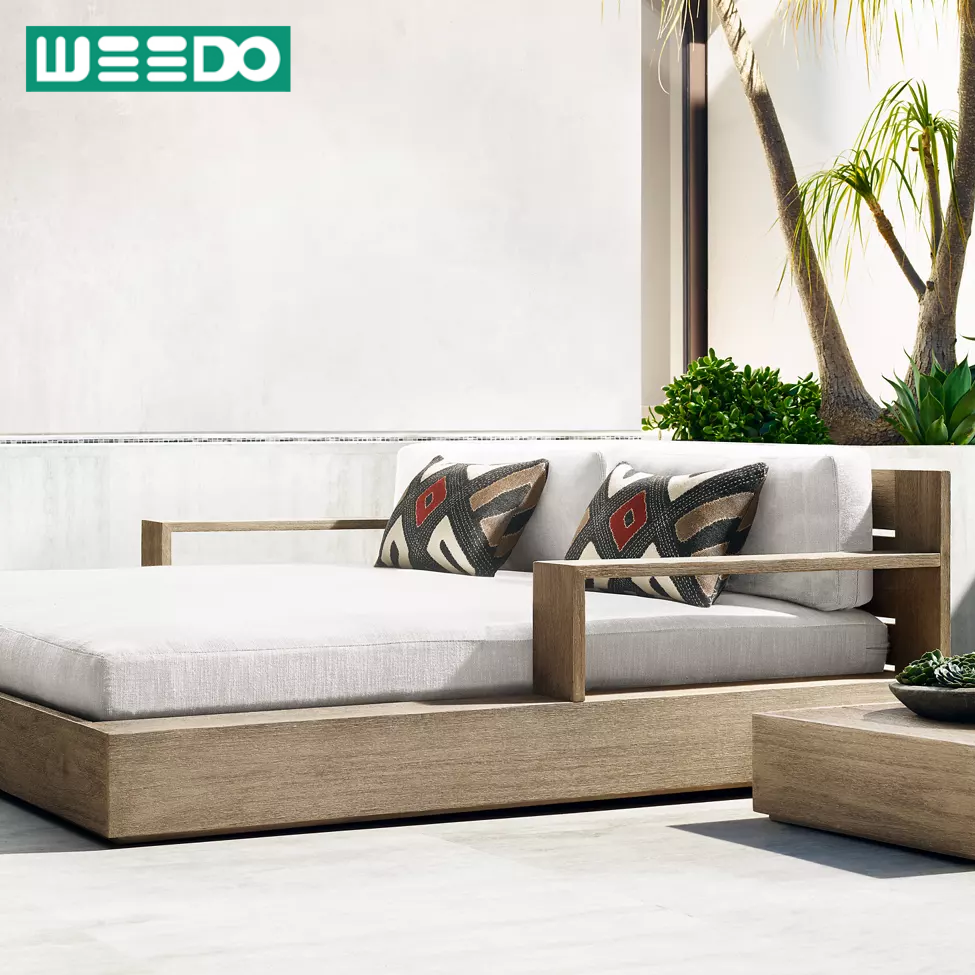

Industry Whitepaper & Technical Audit
Engineering Standards for CE-Certified Garden Seating
A comprehensive assessment of structural integrity, chemical management, metallurgical tolerances, and commercial performance benchmarking for contract buyers.
In global B2B procurement, procuring garden sofas and modular patio sets requires more than aesthetic alignment; it involves meticulous verification of mechanical resilience, material longevity, and regulatory compliance. The CE marking on exterior commercial furniture guarantees that the product complies with the mandatory European Union directives on consumer safety, ergonomic stability, non-hazardous chemical composition, and environmental responsibility. Contract specifiers, commercial hoteliers, landscape architects, and wholesale distributors face severe liability risks when deploying non-compliant outdoor seating in high-traffic commercial venues.
Our manufacturing complex in Foshan, Guangdong—the epicentre of high-end furniture fabrication—operates under strict alignment with EN 581-1:2017 (General Safety Requirements), EN 581-2:2015/AC:2016 (Mechanical safety and dynamic test methods for contract seating), and EN ISO 4892-2 for accelerated artificial weathering. This guide breaks down the metallurgical, chemical, and structural frameworks behind CE-certified garden sofas.
Critical Regulatory Testing Protocols: EN 581 Matrix
To receive full certification, outdoor sofas undergo stress simulation cycles that exceed residential limits. Contract garden sofas undergo repeated cycles of vertical seat static load (up to 2,000 N), back static load (up to 560 N), seat fatigue tests cycling 50,000 to 100,000 times, and combined stability checks at extreme tilt angles. This ensures the frame resists mechanical failure under continuous use.
| Evaluation Parameter | Standard European Norm (EN) | Residential Baseline Criteria | CLENT Hospitality / Contract Grade |
|---|---|---|---|
| Seat Static Downward Load | EN 581-2:2015 Clause 6.1 | 1,300 N (~132 kg applied force) | 2,000 N (~204 kg) / Sustained 10s x 10 cycles |
| Backrest Static Force | EN 581-2:2015 Clause 6.2 | 420 N applied perpendicular | 560 N to 700 N across multi-angle positions |
| Seat & Back Fatigue Cycles | EN 581-2:2015 Clause 6.4 | 25,000 dynamic impact cycles | 50,000–100,000 cycles with zero joint deformation |
| Corrosion Resistance (Salt Spray) | ISO 9227 (NSS Testing) | 240 Hours, Class 2 rating | 1,000+ Hours neutral salt spray without blistering |
| Textile Light Fastness | ISO 105-B02 (Xenon Arc) | Grade 4–5 after 500h exposure | Grade 7–8 (Solution-dyed acrylic / Olefin 1,500h) |
| Chemical Safety / Off-Gassing | EU REACH Annex XVII | Standard limits on 8 Phthalates | Zero SVHC (Substances of Very High Concern) detected |
6063-T6 Structural Alloy
We use aircraft-grade 6063-T6 aluminum alloys with minimum wall thicknesses of 1.8mm to 2.5mm at critical load points. Multi-axis TIG welding provides durable frame stability without structural fatigue.
Electrophoretic Pre-Treatment
Aluminum frames receive a multi-stage nano-ceramic conversion wash followed by electrostatic AkzoNobel powder coating (80-120 µm thickness), ensuring scratch and corrosion resistance in marine environments.
FSC-Certified Grade-A Teak
Our sustainably sourced Indonesian and Burmese teak is vacuum kiln-dried to 10-12% equilibrium moisture content (EMC), preserving essential natural silicas and rubber resins to resist warping.
Future Procurement Dynamics
Emerging Procurement & Manufacturing Trends (2025–2030)
Actionable intelligence for retail merchandise planners, luxury developers, and hospitality project managers navigating structural shifts in the outdoor living sector.
Circularity & The Digital Product Passport
European environmental regulations mandate that contract furniture incorporate post-consumer recycled alloys and fully traceable bio-polymers. By 2027, our CE-compliant sofas will offer optional Digital Product Passports (DPP) detailing recycled material percentages, carbon footprints per unit, and end-of-life disassembly paths.
Reconfigurable Modular Architecture
Fixed configurations are increasingly replaced by reconfigurable modular systems. Modern hotel verandas require seating that shifts effortlessly from daytime poolside lounging to evening cocktail seating. Tool-free clip locks, interchangeable arms, and universal connectors reduce replenishment complexity for global resort operators.
Freight-Optimized Knock-Down (KD) Engineering
With volatile maritime container shipping indices, maximizing volumetric efficiency is a key margin driver. Advanced CNC mortise engineering and high-load concealed cam fittings allow 40-foot High Cube (HQ) containers to load 40% to 65% more units than fully welded frames, significantly reducing landed CBM freight costs.
Factory Integration & Production Depth
Why Tier-1 Importers Choose Foshan CLENT
Combining automated CNC metal fabrication, traditional joinery, and reliable container export logistics under a single roof.
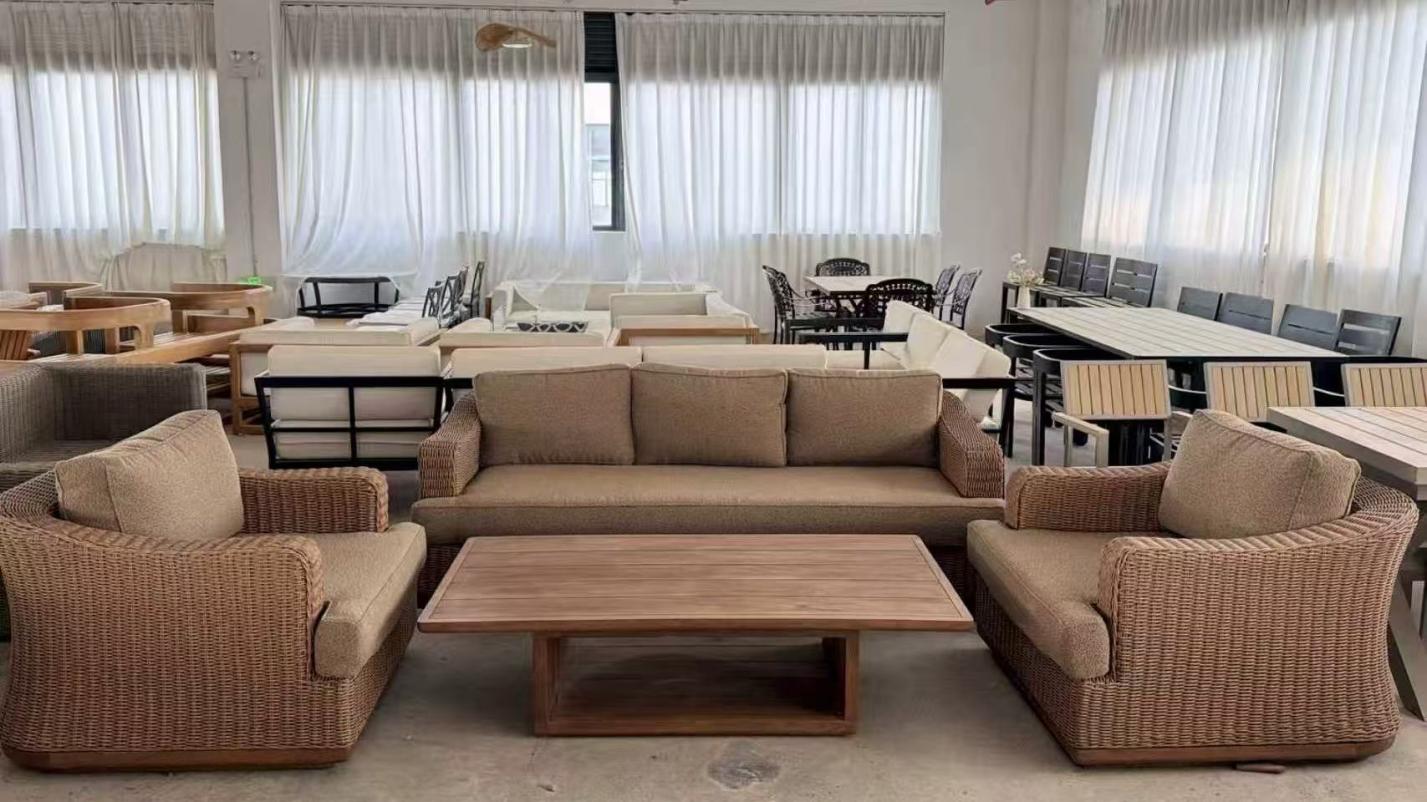
Precision Machining & Automated Tooling
Eliminate dimensional deviations across high-volume production runs. Our factory uses computer-controlled multi-axis saws, robotic pipe benders, and precision milling jigs. Every sofa sub-assembly fits smoothly, ensuring that replacement pieces match seamlessly years later.
- CNC tolerances calibrated to ±0.5mm on structural fittings
- Full-penetration argon TIG welding prevents internal corrosion
- Modular designs accelerate field installation for contract jobs
Full-Chain Quality Assurance Protocols
Quality control operates independently from sales. We test raw materials upon arrival, verify coating thickness on the finishing line, and perform comprehensive pre-shipment assembly audits on random production samples before container loading.
- In-house digital moisture testing on timber
- Cross-hatch adhesion and MEK solvent testing on coatings
- Full video documentation provided prior to final sign-off
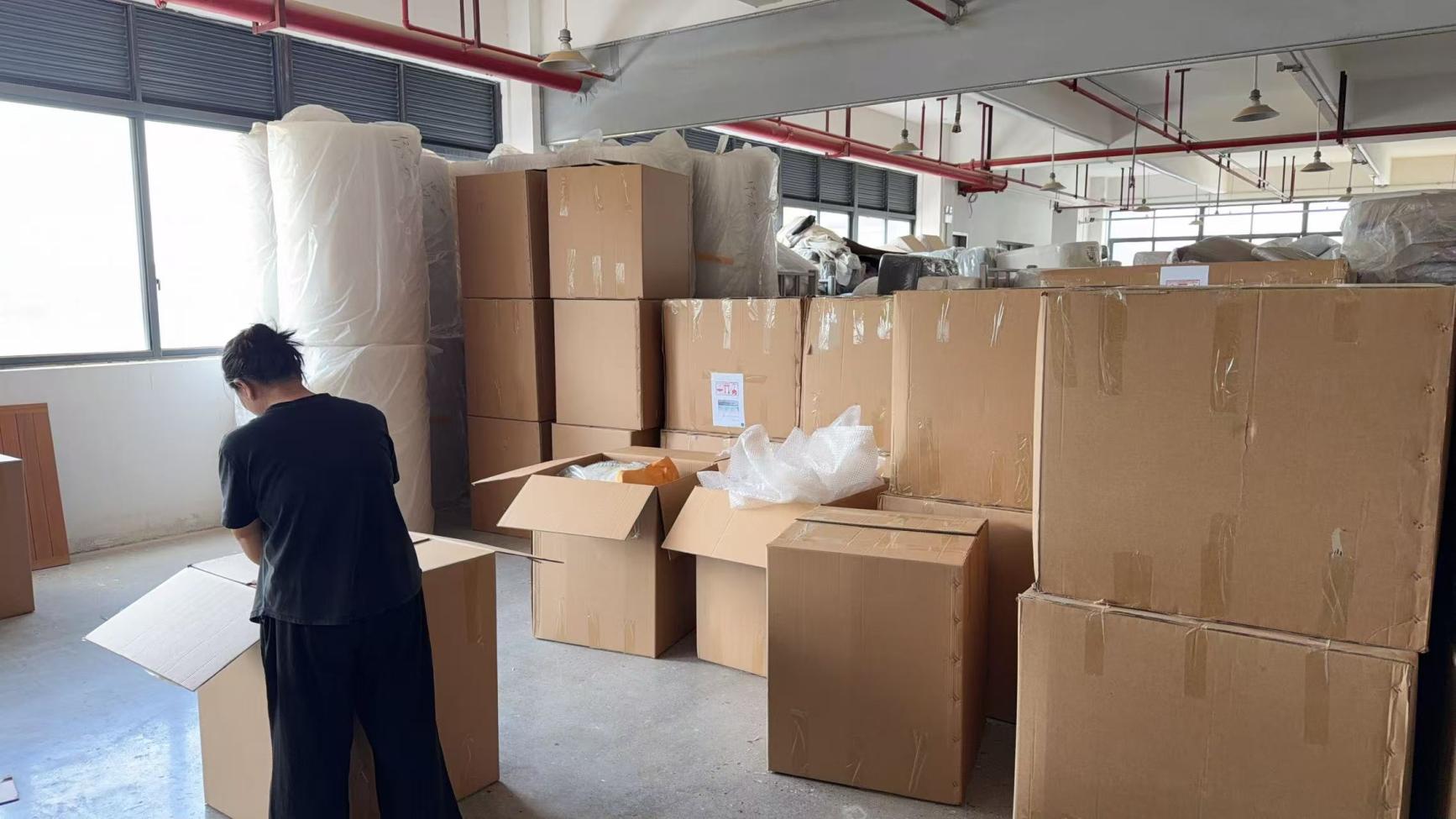
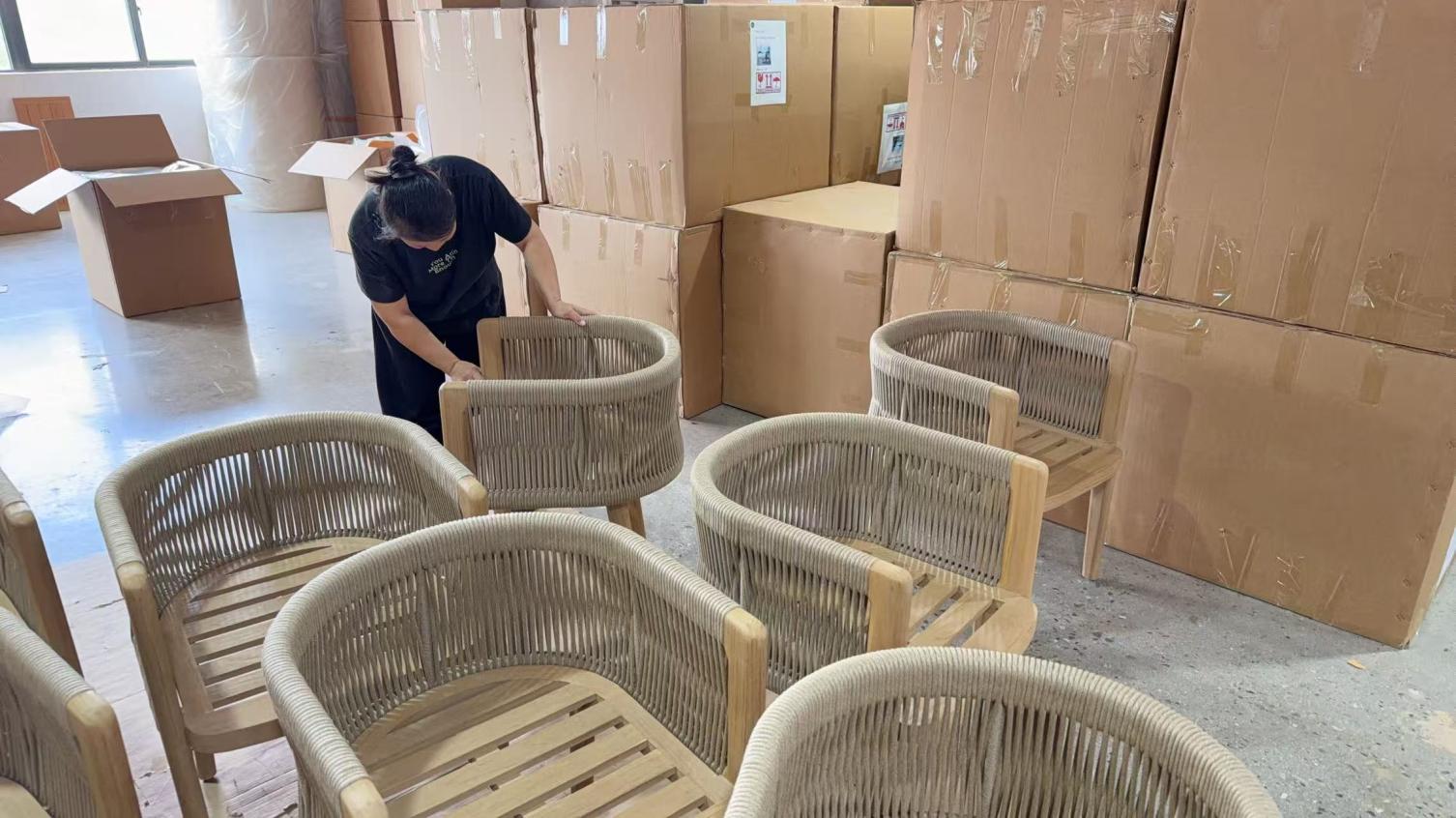
ISTA 3A Export Packaging & Volume Optimization
Long sea shipments expose cargo to damp container environments and multi-handling handling risks. We protect each piece with closed-cell EPE foam, heavy edge protectors, and desiccants to maintain pristine condition upon delivery.
- Multi-layer double-wall honeycomb cartons (250–300 lbs burst test)
- 3D container space planning maximises 40ft HQ cube capacity
- Private labeling, EAN/UPC barcoding, and tailored instructions
Procurement Knowledge Base
Frequently Asked Questions: Garden Sofa Sourcing
Practical guidance from our engineering and export departments to streamline verification and mitigate procurement risks.
What specific certificates authenticate CE compliance for outdoor garden sofas?
Genuine CE compliance relies on third-party test reports validating European Standard EN 581 parts 1, 2, and 3, conducted by accredited testing bodies like SGS, TÜV Rheinland, or Intertek. The documentation must include a valid Declaration of Conformity (DoC), material batch trace sheets, and complete chemical compliance reports for paints and fabrics under EU REACH (EC 1907/2006).
How do you guarantee timber stability against cracking in humid or desert environments?
We use only genuine Grade-A teak timber harvested from mature trees, rich in natural oils. The wood is computer-monitored in vacuum kilns until its moisture content stabilizes at 10% to 12%. This controlled drying preserves natural cell structure, preventing shrinkage in arid regions or swelling in tropical installations.
What cushion core specifications perform best in unprotected, open-air installations?
For unprotected commercial use, we recommend reticulated open-cell dry foam (Uregard / QuickDry) paired with waterproof Dacron batting. Unlike standard PU foam, open-cell foam lets water drain quickly and promotes airflow. Coupled with solution-dyed acrylic covers featuring breathable mesh under-panels, cushions dry out within an hour after rainfall.
Can CLENT handle custom OEM architectural designs from structural CAD / 3D files?
Yes. Our internal engineering department works directly with STP, DWG, and SolidWorks CAD packages. We typically supply full manufacturing shop drawings within 3–5 working days, produce functional full-scale prototypes in 15–20 days, and conduct structural load testing before starting mass production runs.
What are your standard export lead times, MOQ requirements, and payment terms?
Standard production runs take 30 to 45 days after deposit and drawing approvals. Sample orders ship in 15 to 20 days. Our standard Minimum Order Quantity (MOQ) is one 20-foot container or 15–20 sets for mixed product designs. We accept standard payment terms including T/T (30% deposit, 70% against Bill of Lading), confirmed irrevocable L/C at sight, and Alibaba Trade Assurance escrow.