
Portfolio Showcase
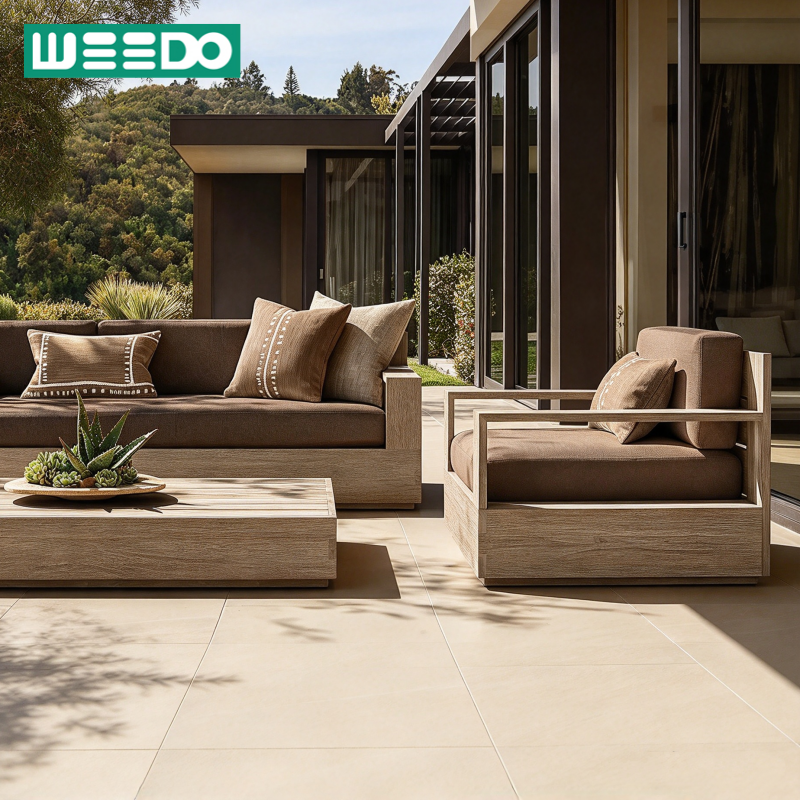
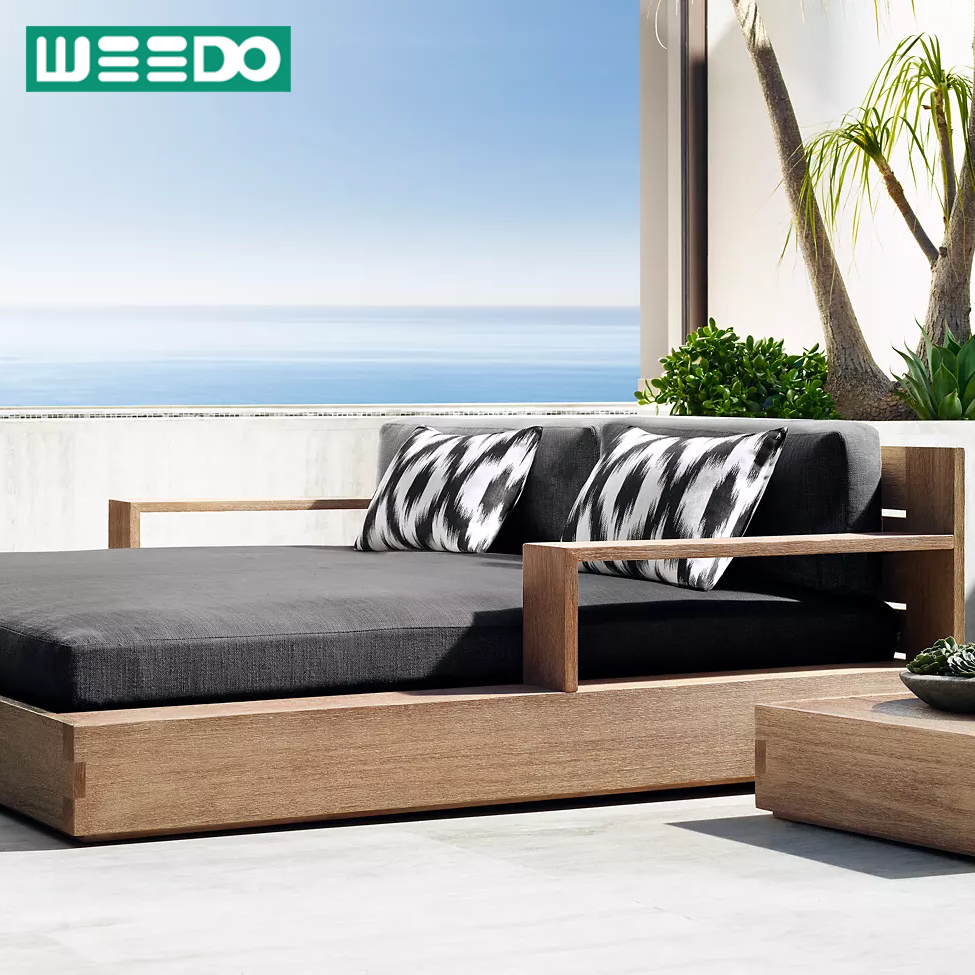
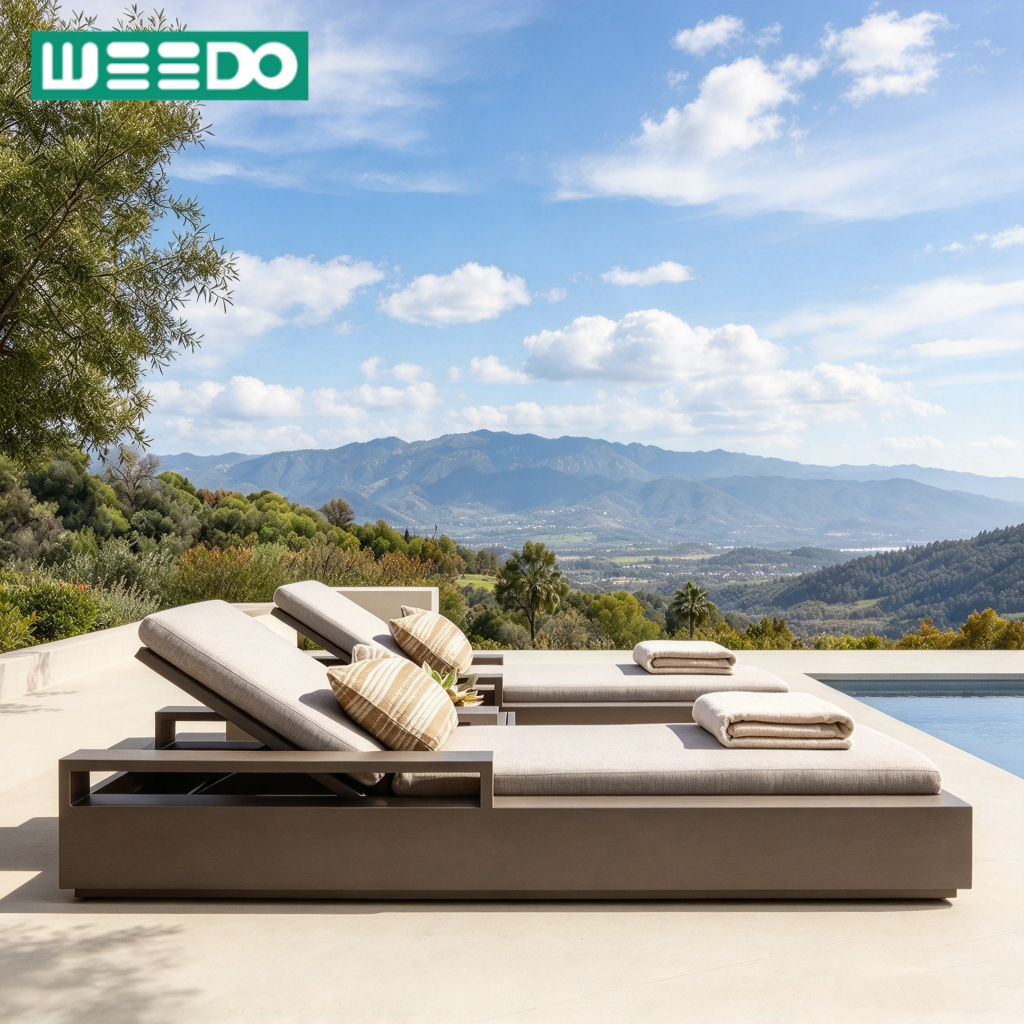
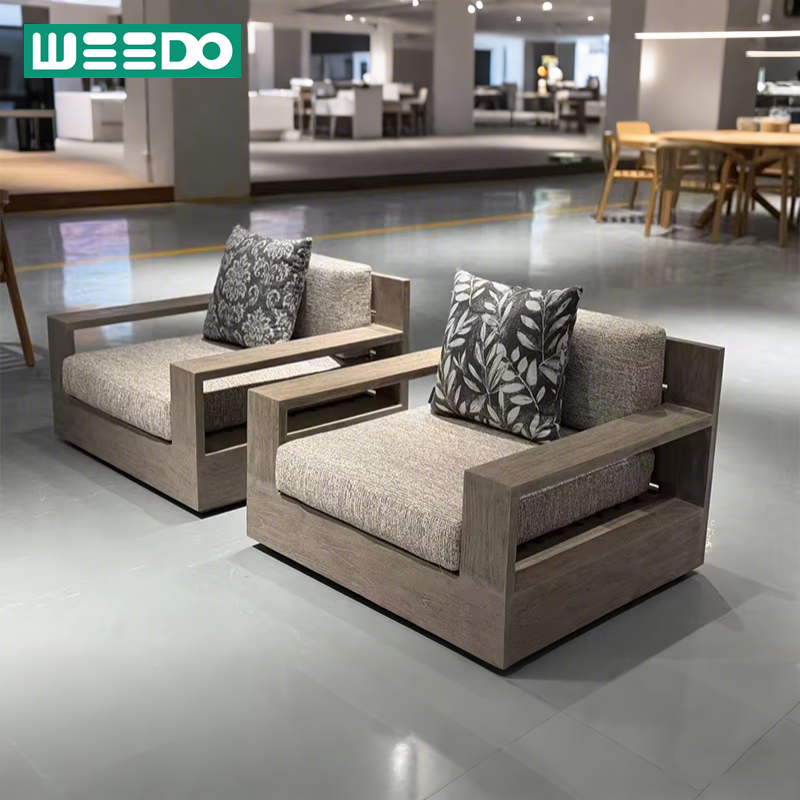
Engineered Contract-Grade Outdoor Seating Collections
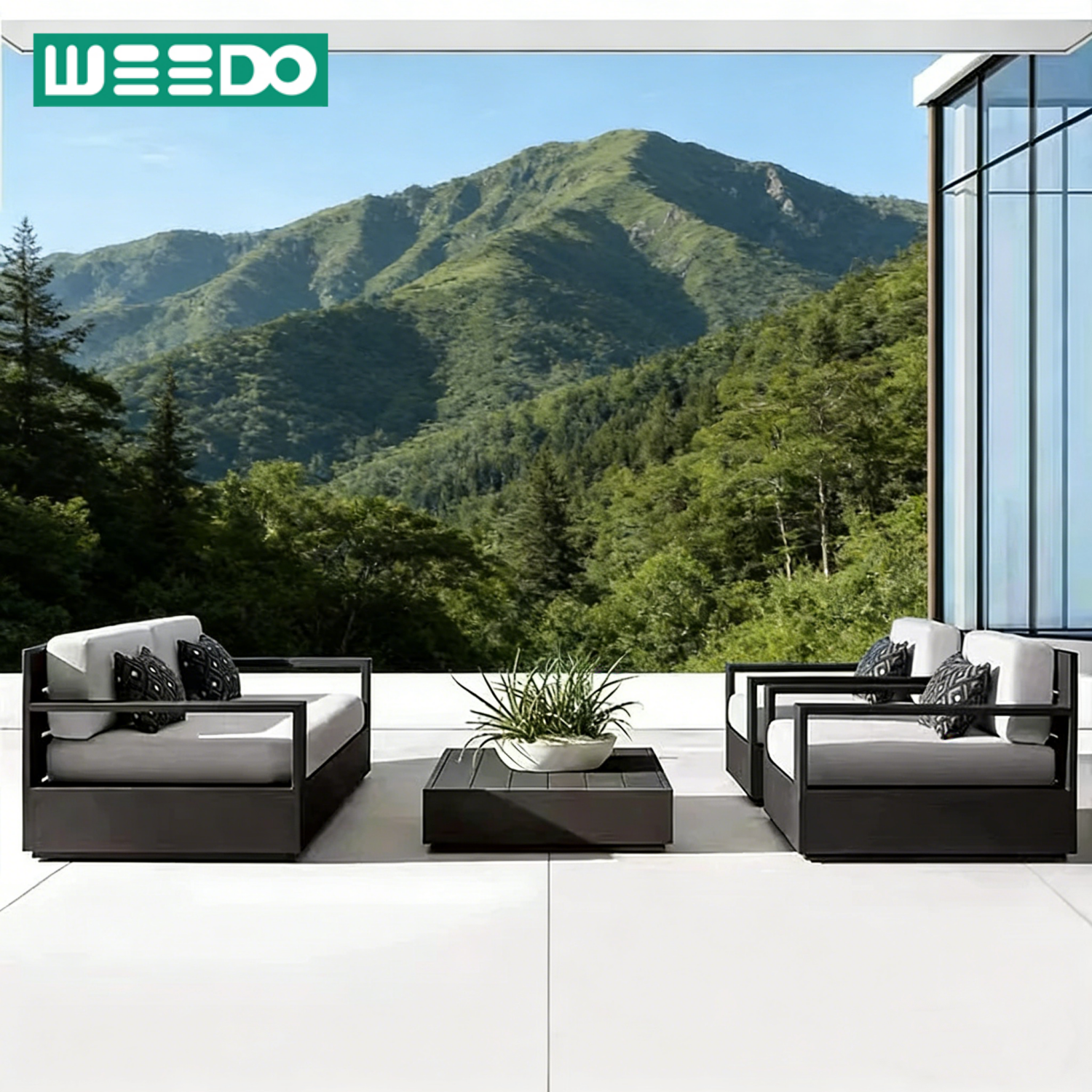
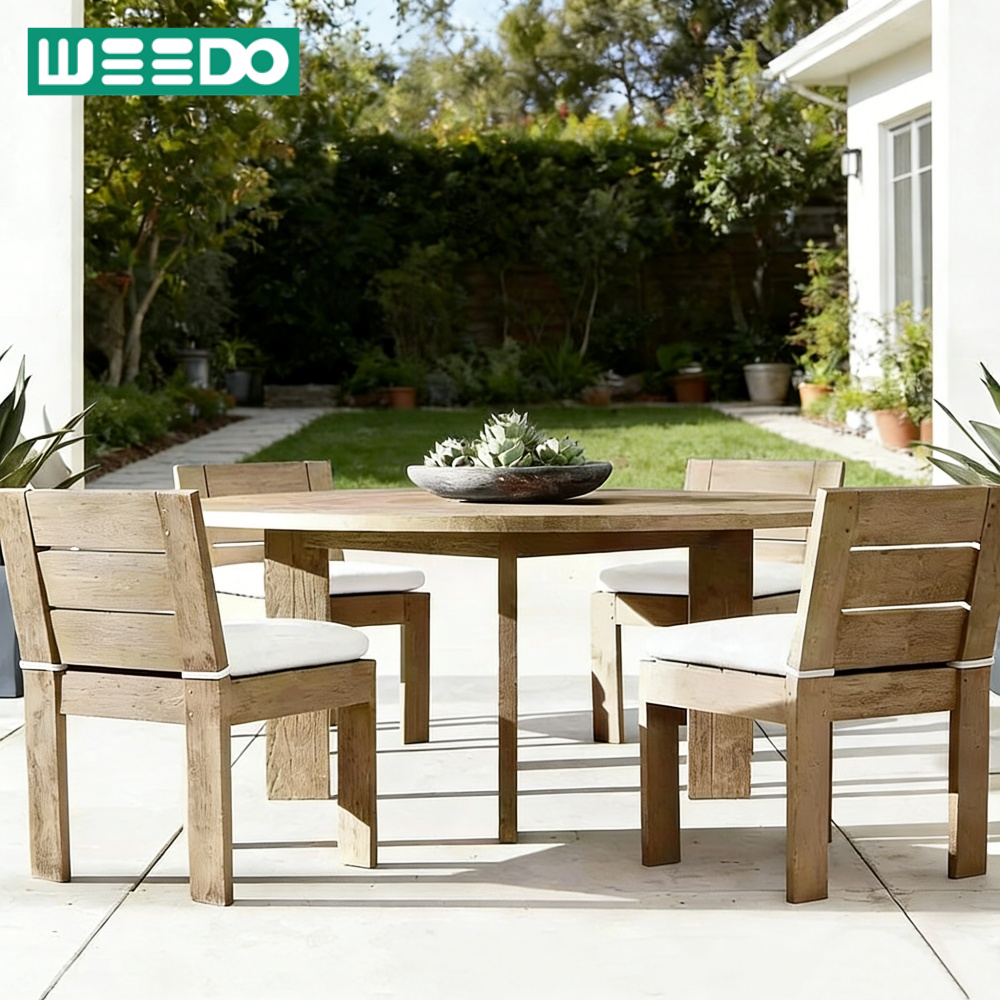
Modular architectures, Grade-A Burmese teak framing, aerospace 6063-T6 aluminum alloys, and high-performance weatherization tailored for global projects.

Contract Engineering White Paper
Structural Compliance, Material Science, and Scalable OEM Manufacturing
A comprehensive technical brief for commercial hospitality specifiers, landscape architects, luxury furniture procurement heads, and cross-border container importers.
Technical Executive Summary: The shift from residential patio accessories to heavy-traffic commercial outdoor environments necessitates an uncompromising standard of structural integrity. In high-salinity beachfront properties, tropical resorts, and high-altitude rooftop installations, failure commonly occurs not from surface aesthetics, but through metallurgical fatigue, polymer photodegradation, galvanic corrosion, and joint stress under cyclical commercial loads. This guide details CLENT's CE-compliant engineering framework designed to resolve these vulnerability vectors at scale.
1. The Regulatory Standard: Deconstructing CE Certification & EN 581 Compliance
Within international contract furniture procurement, "CE marking" combined with validated compliance under EN 581-1:2017 (General safety requirements) and EN 581-2:2015/AC:2016 (Mechanical safety and test methods for seating) constitutes the baseline for commercial liability mitigation. Standard domestic-grade garden furniture is fundamentally engineered for static vertical forces and intermittent seasonal exposure. In contrast, institutional contract furniture specified for 5-star hotel chains, cruise ship verandas, and luxury public terraces must survive accelerated duty cycles without structural deflection or surface breakdown.
At our Foshan manufacturing base, CLENT subjects every modular sofa frame to multi-axis mechanical testing regimens in our dedicated quality assurance lab. Dynamic seat durability tests verify performance through 50,000 cyclical applications of 1,000 N downward vertical force, coupled with alternate 300 N lateral backrest stresses. These stress cycles reproduce years of intensive guest usage within an accelerated testing matrix, ensuring zero weld fractures, frame torsion, or fastener degradation.
50k+
Fatigue Test Cycles
Validated under EN 581-2 contract stress protocols.
10-12%
Teak Moisture Matrix
Kiln-dried stability ensuring anti-warping tolerance.
2,000h
Neutral Salt Spray
ASTM B117 zero-corrosion powder coating warranty.
Grade 8
UV Lightfastness
ISO 105-B02 solution-dyed acrylic color retention.
2. Material Science Architecture: Structural Alloys vs. Natural Timber
A true commercial-grade modular outdoor sofa must address contrasting thermal expansion coefficients, moisture migration, and environmental degradation factors. Foshan CLENT Outdoor Furniture Co., Ltd. operates dedicated production lines for structural extruded aluminum alloy, genuine Grade-A teak timber, and specialized outdoor composite weaving.
| Component Assembly | Material Specification | Commercial Advantage & Property | Testing Standard |
|---|---|---|---|
| Structural Frame | 6063-T6 Aerospace Aluminum (1.8mm – 2.5mm wall thickness) | Full TIG/MIG seam-welded joints; internal reinforcing gussets; non-rusting lightweight strength | EN 581-2 / ISO 9001 |
| Timber Foundation | 100% Kiln-Dried Grade-A Burmese Teak (Tectona grandis) | High natural resin and tectoquinone content; termite/fungal immune; zero sapwood inclusions | FSC Chain of Custody / ISO 3129 |
| Protective Powder Finish | AkzoNobel / Tiger Drylac Architectural Thermoset Powder | Pre-treatment degreasing and chrome-free passivated layer; high-adhesion outdoor barrier | Qualicoat Class 2 / ASTM B117 |
| Cushion Architecture | Open-Cell Reticulated Polyurethane Dry-Fast Foam (30-35 kg/m³) | Porous matrix allows water flushing and rapid airflow; antimicrobial anti-mold treatment | CAL 117-2013 / BS 5852 |
| Upholstery Fabric | 100% Solution-Dyed Acrylic or Polyolefin (280 - 360 g/m²) | UV stabilizers infused into polymer core prior to fiber extrusion; Teflon water/stain repellency | AATCC 16 / ISO 105-B02 |
3. Global Outdoor Furniture Sourcing Trends: 2025–2030 Projections
In-depth market intelligence indicates a fundamental shift in hospitality master planning and luxury residential development. Procurement departments are migrating away from static, fixed-dimension lounge suites in favor of versatile, modular outdoor seating configurations. The core factors driving this multi-year procurement trend include:
Volumetric Adaptability
Modern hospitality spaces frequently transition between daytime private cabanas, evening corporate networking receptions, and open-air dining. Modular units with universal quick-connect locking brackets allow operators to reconfigure 2-seater setups into sprawling 12-person U-shaped lounges in minutes.
Hybrid Biophilic Textures
Architects are rejecting sterile, single-material aesthetics. The prevailing design language pairs industrial powder-coated metal sub-chassis with tactile Grade-A teak table surfaces and textured olefin rope weaving, bridging the boundary between architecture and surrounding flora.
Circular Disassembly & Refurbishment
Corporate ESG procurement policies now mandate repairability metrics. CLENT's modular assemblies feature mechanical knock-down (KD) joints, replaceable slat inserts, removable zippered upholstery casings, and universally serviceable cushion cores that preserve frame equity indefinitely.
4. Factory Capabilities: The Foshan Manufacturing Advantage
As documented in our verified company profile, Foshan CLENT Outdoor Furniture Co., Ltd. operates inside China's most advanced industrial furniture ecosystem in Foshan, Guangdong. This geographic and operational integration gives overseas buyers significant competitive advantages across production turnaround, engineering agility, and supply chain transparency.
Engineering
CNC Precision
Our workshop employs automated multi-axis CNC timber routers and robotic tube benders. This mechanical standardization guarantees that an OEM sectional unit manufactured in Year 1 will seamlessly align and link with replacement or expansion modules ordered in Year 3, ensuring zero dimensional drift across large-scale phased hotel rollouts.
Quality Control
4-Stage Verification
Strict internal QC gates govern incoming raw material moisture tracking (10–12% target via digital probe), ultrasonic weld inspection, powder coat dry-film thickness measurement (60–80 microns), and pre-shipment dry-fit assembly. We provide photographic and video inspection dossiers to buyers prior to container sealing.
Logistics
CBM Volume Optimization
Export shipping costs represent a critical component of total landed cost. Our modular components are engineered with intelligent knock-down geometries, reducing dead container space by up to 45% compared to monolithic welded sofas. Packaging involves multi-layer closed-cell polyethylene foam, honeycomb edge armor, and export-grade 7-ply cartons.
5. Specifier's Guide: Identifying Substandard Imitations in Contract Bidding
When assessing tender bids for high-value hospitality packages, procurement committees frequently encounter proposals with vastly differing cost bases. To prevent premature structural failure and project reputational damage, technical evaluators must audit these critical internal checkpoints:
1. Timber Integrity: Disreputable suppliers often substitute authentic Burmese Tectona grandis with sapwood-rich lower grades, Acacia, or so-called "African Teak" (Iroko). While looking similar initially, lower-grade wood with moisture content exceeding 16% will check, split, and twist severely once deployed in air-conditioned or arid environments.
2. Wall Thickness Discrepancies: Cheap consumer-grade aluminum sofas utilize 0.8mm to 1.0mm tubing, which deforms under adult torque or dynamic pool jump loads. Commercial specifications require a baseline 1.8mm to 2.5mm wall profile with internal gusset reinforcement at primary stress points.
3. Foam Porosity: Standard closed-cell or conventional upholstery foam absorbs rain through seams, transforming cushions into waterlogged reservoirs that develop black mold, unpleasant odors, and rot within months. Only open-cell reticulated quick-dry foam permits free hydraulic egress, allowing drying within 45 to 90 minutes post-rainfall.
Procurement Knowledge Base
Frequently Asked Questions (FAQ) for B2B Contract Buyers
Direct answers from our engineering and export departments addressing compliance, customization, lead times, and logistical safeguards.
1. What specific testing and documentation accompanies your CE compliance declaration?
Our products undergo third-party laboratory verification conforming to EN 581-1:2017 (General Safety), EN 581-2:2015/AC:2016 (Mechanical Safety & Seating Test Methods), and REACH Annex XVII (chemical safety, zero hazardous phthalates or toxic lead levels). We provide complete technical construction files (TCF), test certificates from accredited bodies (such as SGS or TÜV Rheinland), and factory Declarations of Conformity (DoC) with every contract delivery.
2. How do your modular seating frames withstand coastal resort salinity and ocean mist?
For coastal deployments, our frames utilize 6063-T6 aluminum combined with a multi-stage zirconium chemical pre-wash conversion coating. This is finished with architectural-grade AkzoNobel Interpon powder coatings passing 2,000 hours of Neutral Salt Spray (ASTM B117) testing. Furthermore, all internal connecting hardware, alignment pins, and structural bolts are strictly upgraded to marine-grade AISI 316 stainless steel to eliminate galvanic oxidation and localized pitting.
3. What is the standard MOQ and production lead time for OEM/ODM hospitality orders?
Our standard minimum order quantity is 1x40'HQ container, which allows mixed collections (e.g., modular sofa units, sun loungers, and coordinating dining tables). Custom OEM/ODM structural prototypes require 15 to 20 days for 3D modeling, technical shop drawing verification, and physical sample fabrication. Standard container production cycles average 35 to 45 days from approved shop drawings and deposit receipt.
4. Can CLENT manufacture modular sofa units to custom architectural CAD dimensions?
Yes. Over 60% of our production volume supports bespoke hospitality and contract developments. Our in-house engineering team translates interior and landscape architectural drawings (DWG, DXF, STP, OBJ) into factory production molds and CNC cutting paths. We accommodate tailored seat depths, custom radius curvatures for curved banquettes, integrated LED raceways, and custom stone or ceramic armrest insert options.
5. How does your factory handle export packing to prevent transit abrasion and ocean moisture damage?
Each modular component undergoes a strict five-tier packaging protocol: (1) peelable surface protection tape over exposed powder coat and teak faces; (2) shock-absorbent closed-cell EPE foam cladding; (3) 15mm heavy-density structural corner protectors; (4) desiccants placed within heavy-duty sealed vapor polybags to prevent condensation mildew during sea transit; and (5) reinforced 7-ply double-corrugated outer cartons engineered to ISTA 3A transit drop criteria.
6. What are the maintenance protocols for Grade-A teak in heavy commercial installations?
Grade-A teak possesses dense natural oils that render it impervious to rot and bore insects without chemical preservatives. If left naturally exposed to atmospheric weather and sunlight, it will gently oxidize into a classic silver-grey patina favored by contemporary architects. For resort clients wishing to maintain the golden-honey tone, we supply pre-treated protective coatings or specify annual applications of water-based breathable teak shield.
Request Full Product Catalogs, CAD Models & B2B Pricing
Partner directly with Foshan's premier outdoor furniture manufacturer. Connect with our engineering and commercial project desk to receive our comprehensive 2025 contract collection catalog, CAD/BIM libraries, and volume export price schedules.
Get Catalog