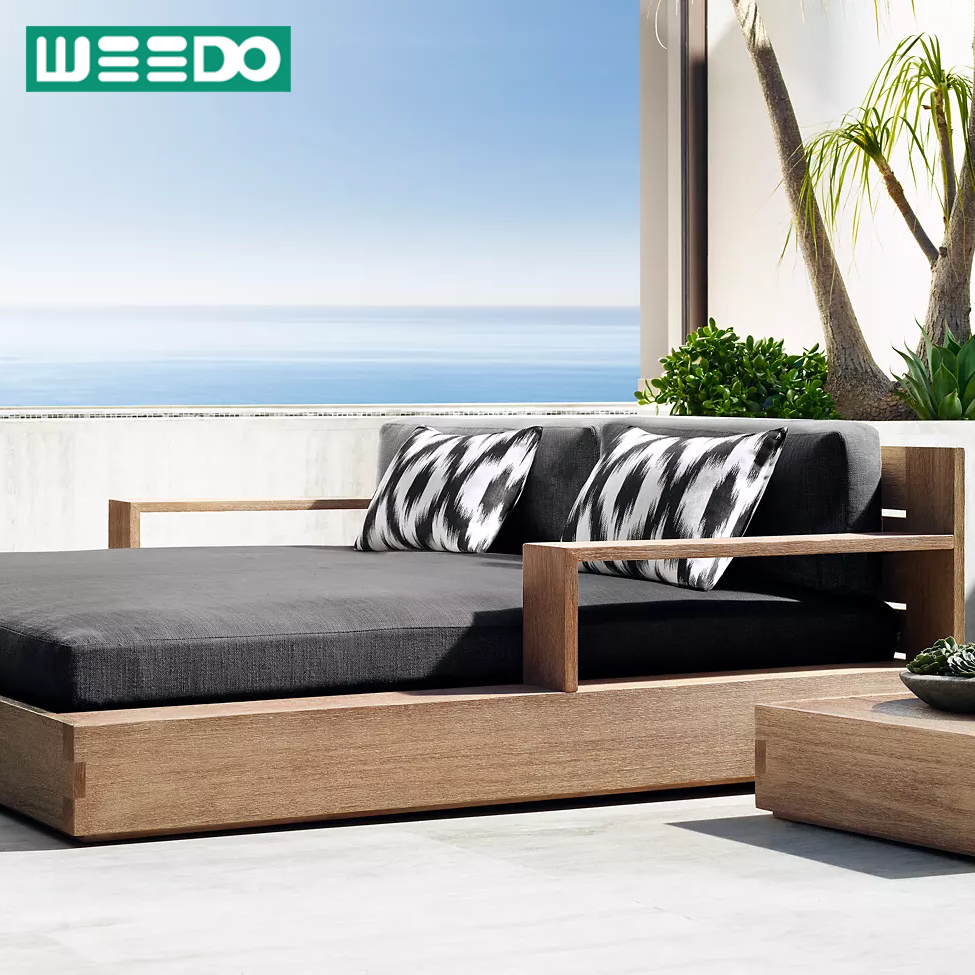
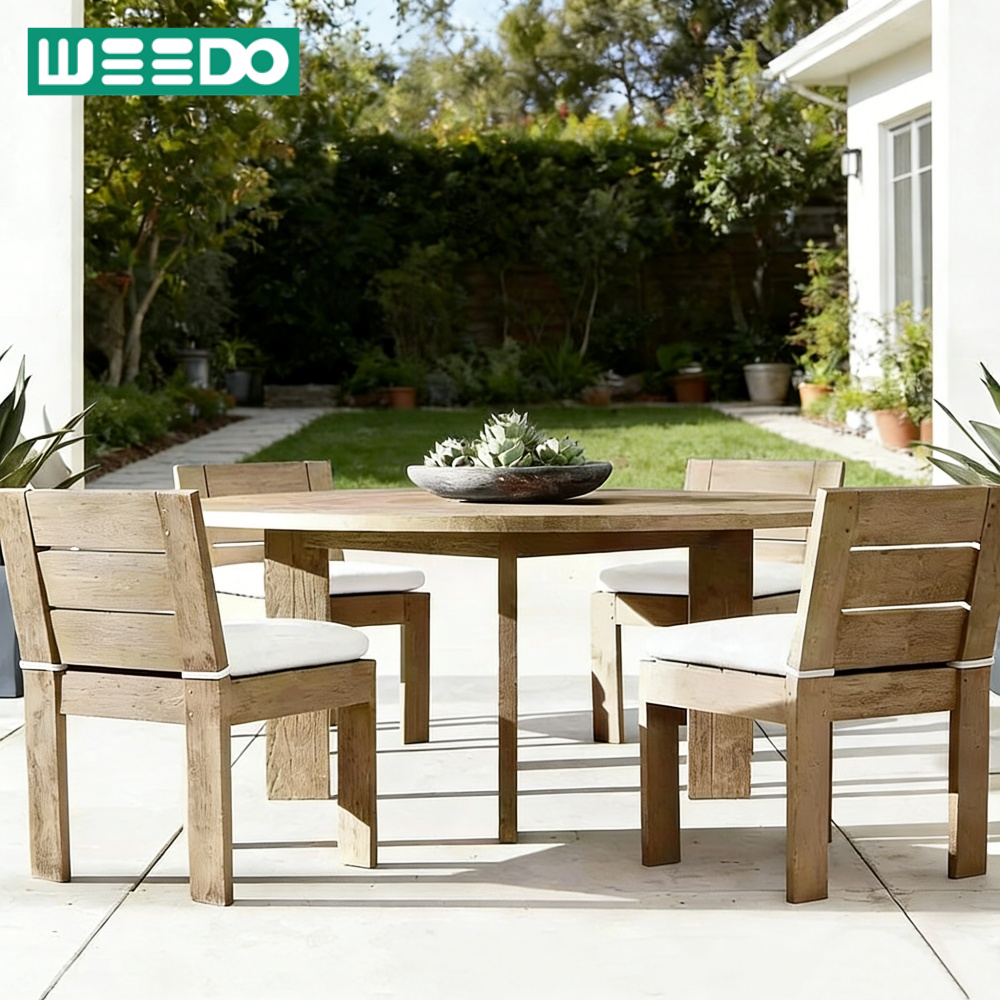
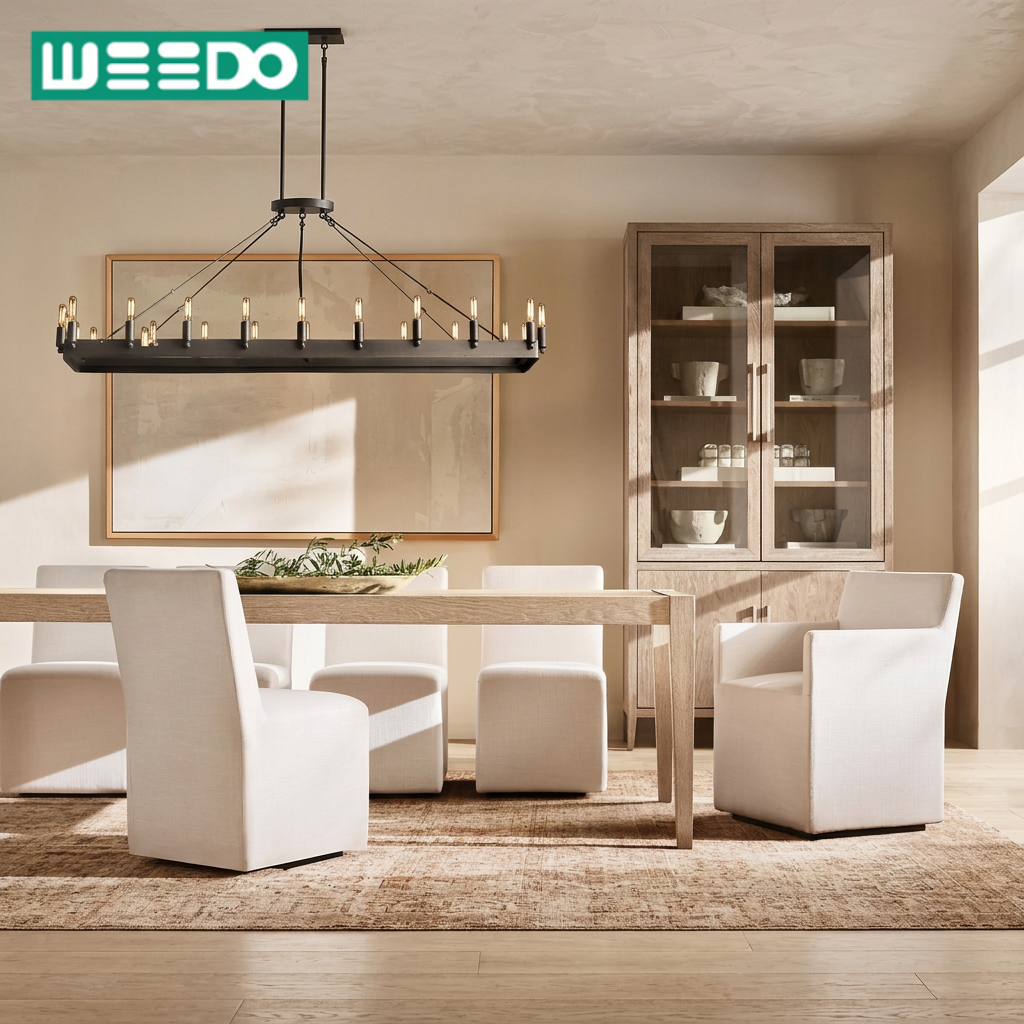
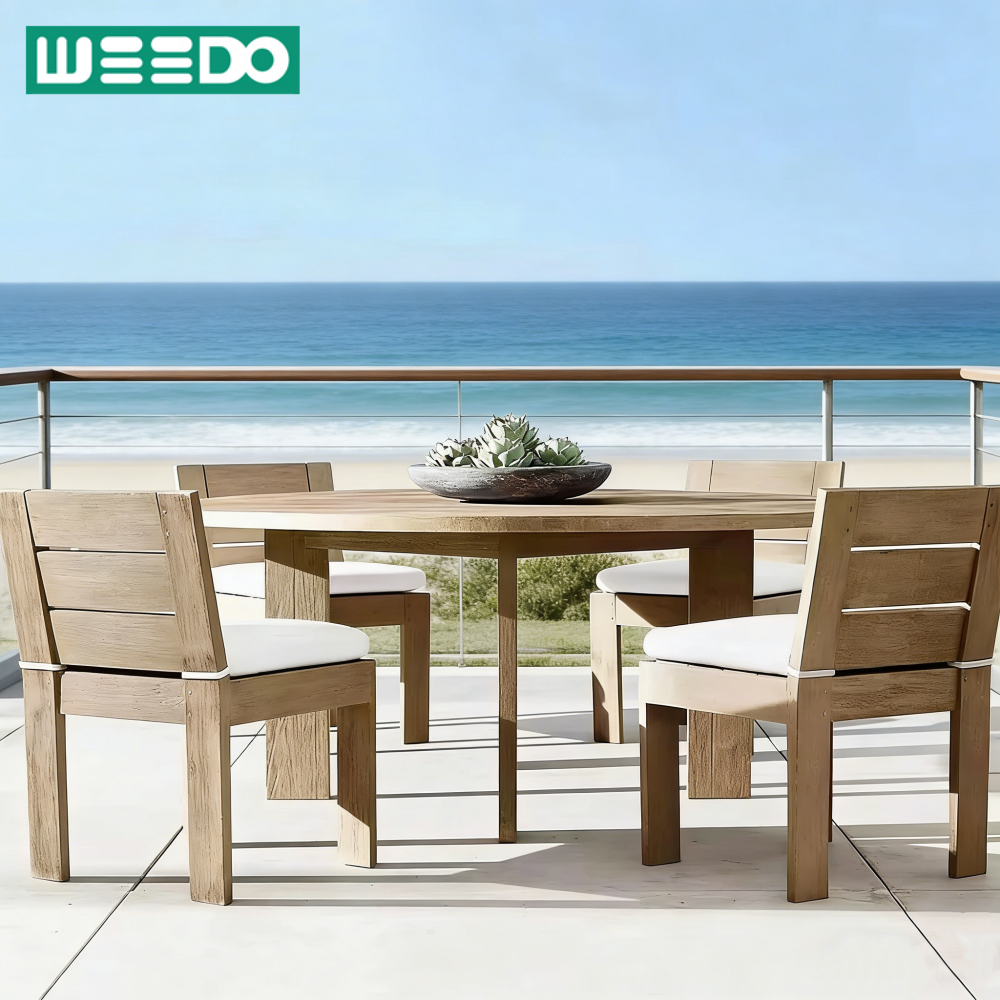
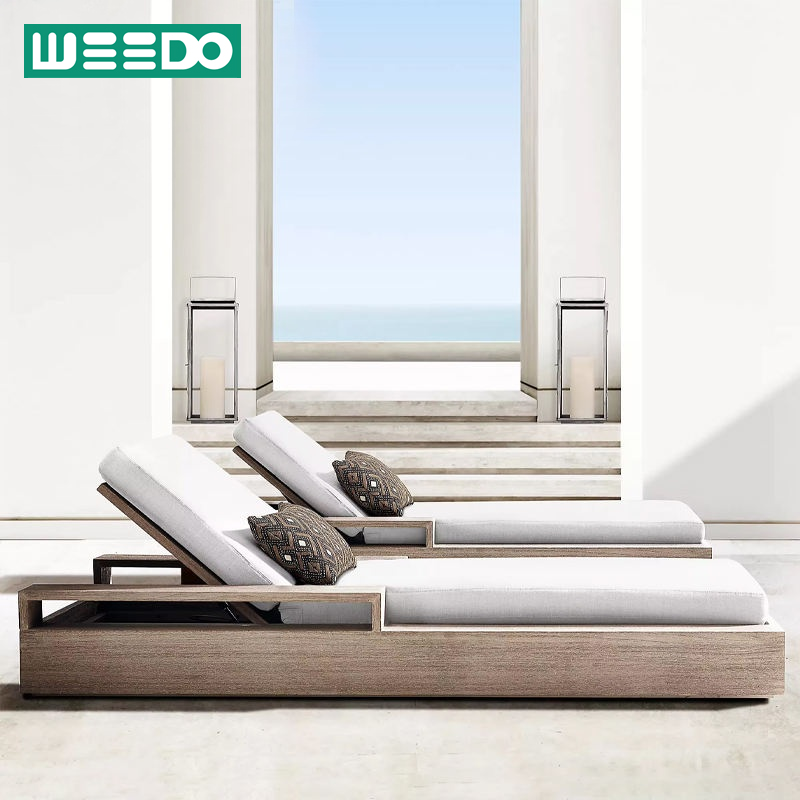
China Wholesale Balcony Furniture Manufacturers & Suppliers
Precision-engineered Grade-A Burmese Teak, high-tensile 6063 aluminum alloys, and micro-space ergonomic solutions direct from Foshan's premier contract manufacturing plant.
Commercial Contract Portfolio
High-Performance Outdoor Balcony Furniture Systems
Engineered to resist saline sea winds, severe thermal shifts, and high ultraviolet indices. Every system conforms to ISO 9001 and commercial contract hospitality standards.
Commercial Procurement Intelligence: Navigating China Wholesale Balcony Furniture
The global demand for high-density multi-family residences, urban penthouses, boutique hospitality suites, and micro-resort developments has catalyzed a paradigm shift in outdoor furniture manufacturing. In modern exterior architecture, balconies are no longer treated as peripheral auxiliary corridors; they are engineered as active extensions of the living environment. This transition demands a standard of commercial-grade balcony furniture that reconciles strict spatial footprints with structural permanence, resistance to high-salinity winds, and fire-retardant safety ratings.
As European, North American, and Australian real estate developers and contract procurement directors source directly from industrial manufacturing epicenters in Foshan, Guangdong, navigating technical specifications is paramount. Sourcing successful balcony furniture programs requires granular scrutiny of timber cell structure, chemical pre-treatment of structural metal extrusions, outdoor solution dyeing chemistries, and knock-down (KD) volumetric packaging mathematics.
Strategic Sourcing Takeaway: High-rise balcony environments experience microclimates characterized by accelerated Venturi airflow (funneling winds), magnified thermal reflection from curtain wall glass, and aggressive ultraviolet exposure. Furniture specified for these spaces requires structural anchoring mass, elevated UV resistance indices (minimum 2,000 Xenon-arc hours), and hydro-draining core architectures.
1. Material Science & Structural Architecture for High-Exposure Micro-Spaces
The foundation of commercial balcony furniture longevity lies within the raw material grade. Sourcing inferior timber or recycled aluminum scrap leads to premature stress corrosion, joint fatigue, warping, and expensive warranty liabilities. Our production floor in Foshan follows uncompromising metallurgical and forestry standards:
Grade-A Kiln-Dried Teak (Tectona Grandis)
Harvested exclusively from mature timber stands, our Grade-A teak features tight annual growth rings, abundant natural tectoquinone oils, and zero sapwood inclusions. Precision dual-phase computerized kiln-drying regulates moisture between 10% and 12%, eliminating cracking and dry rot in varying global microclimates.
Architectural 6063-T6 Aluminum Alloys
Balcony furniture must maintain structural integrity under wind-shear stresses without presenting excessive dead weight during repositioning. We utilize 1.5mm–2.0mm wall-thickness seamless profiles treated with a 9-stage chromium-free zirconium pre-wash and AkzoNobel or Tiger Drylac exterior electrostatic powder coatings.
UV-Engineered Olefin & All-Weather Rope
For modern airy visual aesthetics that do not visually congest constrained balconies, our master craftsmen integrate hand-woven solution-dyed olefin and high-density polyethylene (HDPE) cords. With UV stability exceeding 2,500 hours, they resist chlorine, grease, mold, and tensile sag under continual load.
Comparative Matrix: Contract Balcony Materials vs. Climatic Stresses
Material Classification
Wind & Storm Stability
High-UV Degradation Index
Salt-Mist & Marine Resistance
Commercial Maintenance Cycle
Lifecycle Assessment (B2B)
Solid Grade-A Teak
Exceptional (High Mass)
Natural Silver Patina (Zero Structural Loss)
Immune to Salt Wind
Annual Teak Oil (Optional)
15 – 25+ Years
6063-T6 Powder-Coated Al
Moderate (Requires Engineered Weighting)
Qualicoat Class 2 Standard
Anti-Corrosive (5000h Salt Spray)
Zero Maintenance Wipe-Down
10 – 15 Years
Olefin Rope + Al Hybrid
Aerodynamic (Wind Permeable)
Color Fastness Grade 7-8
Non-Hydrophilic Quick Drain
Seasonal Power-Wash
8 – 12 Years
Traditional PE Wicker
Lightweight (Susceptible to Lift)
Vulnerable to Tensile Brittleness
Surface Washable
Regular Surface Inspection
3 – 5 Years
Future Sourcing Trends in Commercial Balcony & Terrace Furniture
As global urban population density rises, commercial real estate developers in London, Sydney, Dubai, and Miami are re-allocating architectural budgets toward private balconies and shared hospitality sky-lounges. Sourcing managers must anticipate four dominant engineering and aesthetic developments shaping contract procurement over the coming decade:
Trend 1: Micro-Footprint Ergonomics with Multi-Function Modular Geometry
Urban apartments and high-density hotel rooms feature balcony depths varying between 1.2 and 1.8 meters. Bulky, traditional deep-seating furniture obstructs ingress and egress routes and violates local fire codes. The future belongs to furniture frameworks that provide deep lounge comfort while retaining slender architectural lines. Sectional corner pieces that reconfigure into sun loungers, drop-leaf bistro tables, and cantilevered railing-affixed stools allow commercial buyers to maximize guest utility without physical congestion.
Cold, utilitarian metal frames are being paired with warm, tactile natural elements. The juxtaposition of powder-coated architectural charcoal aluminum with Grade-A teak armrests, paired with natural stone or porcelain ceramic tabletop inserts, is dominating hospitality design briefs. This mixed-material synthesis creates an indoor-outdoor transitional narrative that commands higher rental yields and guest satisfaction scores.
Trend 3: Circular Economy Accountability and Material Traceability
Corporate Environmental, Social, and Governance (ESG) criteria are directly impacting hospitality bids. Global developers require verified chain-of-custody documentation (FSC certification for all timber elements) and closed-loop recyclability for aluminum structures. Chinese manufacturers who maintain strict material traceability and integrate non-toxic, volatile organic compound (VOC)-free surface coatings are securing preferential long-term supply framework agreements.
Trend 4: Volumetric Packaging Engineering to Offset Ocean Freight Fluctuations
In a volatile container shipping market, shipping "empty air" ruins margin forecasts. Progressive furniture suppliers are investing heavily in CNC-engineered Knock-Down (KD) systems. By engineering precision tenon-and-groove joints, flush-mount internal sleeve connections, and nesting chassis, Foshan factories are compressing packaging Cubic Meters (CBM) by up to 45% without compromising on-site structural stability or aesthetic lines.
Our Direct Manufacturing Advantages: Foshan CLENT Outdoor Furniture Co., Ltd.
Operating in the heart of China's primary furniture manufacturing capital, Foshan CLENT Outdoor Furniture Co., Ltd. serves as an integrated manufacturing partner for luxury hotel groups, villa developers, exterior landscape architects, and global retail brands. By controlling the complete lifecycle of production in-house, we eliminate trading intermediaries and guarantee absolute engineering integrity.
CNC Five-Axis Machining Precision
Every wooden mortise, tenon joint, and aluminum miter cut is executed on automated multi-axis CNC machines. This guarantees absolute zero-deviation consistency between the initial prototype approval sample and a full 40-foot High-Cube production run of 500 units.
Four-Tier Documented QC Protocol
Quality assurance is embedded in each manufacturing phase: Incoming Material Inspection (timber moisture verification & metal wall thickness checks), In-Process Frame Geometry Calibration, Post-Coating Cross-Hatch Adhesion Tests, and Pre-Shipment Trial Assembly with photographic reporting.
Export Engineered Packaging & ISTA-Tested Cartons
We pack for transoceanic resilience. Heavy-duty 5-ply corrugated cartons, custom EPE foam profiles, corner collision bumpers, and desiccant vapor barriers ensure your shipments arrive pristine, ready for immediate installation in high-end projects.
Traceable Production Architecture
Our standard operating procedure reflects the discipline demanded by contract hospitality specifications. From raw Indonesian and Myanmar teak log seasoning through automated precision sawing, manual benchwork sanding, and electrostatic powder coating, every stage is mapped to a traceable production lot ID. Buyers receive weekly progress metrics complete with time-stamped video and dimensional verification logs, eliminating cross-border purchasing anxieties.
Critical technical, logistic, and commercial insights derived from hundreds of successful hospitality, commercial resort, and wholesale container deployments.
What grade of teak does CLENT utilize, and how is moisture controlled for arid or humid destination markets?
We exclusively mill heartwood Grade-A teak (Tectona Grandis), chosen for high density, consistent golden-amber coloration, and high natural resin content. Our timber undergoes a 30-day kiln seasoning process to achieve an internal moisture content of 10%–12%. This narrow equilibrium moisture threshold prevents warping, shrinkage, or checking when products arrive in diverse climates, from the dry heat of Arizona and Dubai to the tropical humidity of Miami and Singapore.
How does your factory prevent galvanic corrosion on metal balcony furniture placed in oceanfront coastal settings?
Coastal environments generate high airborne chloride concentrations. We address this through a three-stage defense: (1) Seamless architectural 6063-T6 aluminum alloys that naturally prevent iron-oxide degradation; (2) Multi-stage chemical surface cleaning followed by architectural-grade polyester powder coating rated for 3,000+ hours in ASTM B117 salt spray testing; and (3) Exclusively 304 or marine-grade 316 stainless steel fasteners isolated by nylon washers to eliminate galvanic metal reaction.
What are your minimum order quantities (MOQ) and lead times for bespoke OEM/ODM hospitality projects?
For standard catalog SKUs, our typical MOQ starts at 10 to 20 units per design, with mixed-container loading permitted (minimum one 20GP or 40HQ container). For bespoke OEM/ODM designs requiring custom tooling, extrusions, or woven cord patterns, prototype lead time is typically 14 to 21 days following CAD/3D approval. Mass production lead times range between 35 and 45 days, depending on timber kiln-drying cycles and fabric availability.
What cushion foam technologies and outdoor fabrics are specified for high-rainfall balcony spaces?
For unroofed balconies subject to heavy rainfall, we utilize open-cell reticulated quick-dry foam. Unlike conventional polyurethane foam which acts like a sponge, reticulated foam features a wide, open porous matrix that allows precipitation to cascade through instantly. We combine this with 100% solution-dyed acrylic or olefin textile covers (Sunbrella, Agora, or high-performance local alternatives) lined with breathable Dacron batting and bottom textilene drainage mesh panels.
How do you optimize container packing to reduce landed shipping costs per unit for overseas wholesalers?
Every collection is developed via 3D computer packaging simulation prior to production. Where feasible, chairs are engineered to nest with minimal clearance or utilize structural knock-down (KD) assembly techniques using precision internal steel cams. Table frames are designed with demountable legs that pack flat within the perimeter of the tabletop carton. This strategic volumetric optimization routinely saves our B2B partners 30% to 45% in ocean freight expenses per unit.
Equip Your Upcoming Project with Factory-Direct Excellence
Connect directly with our Foshan engineering and estimation team. Receive full technical spec sheets, material sample swatches, structural CAD drawings, and volume wholesale pricing for your project or retail distribution pipeline.