
Deep Seating Modular
Classic Luxury Fabric Sectional Villa Living Room & Terrace Sofa
Plush Cushion
Eco Fabric
Villa Grade
Product Details
Manufactured under strict ISO9001 and hospitality contract durability standards. Built with kiln-dried Grade-A Indonesian teak, marine-grade aluminum, and hydrophobic textile systems.

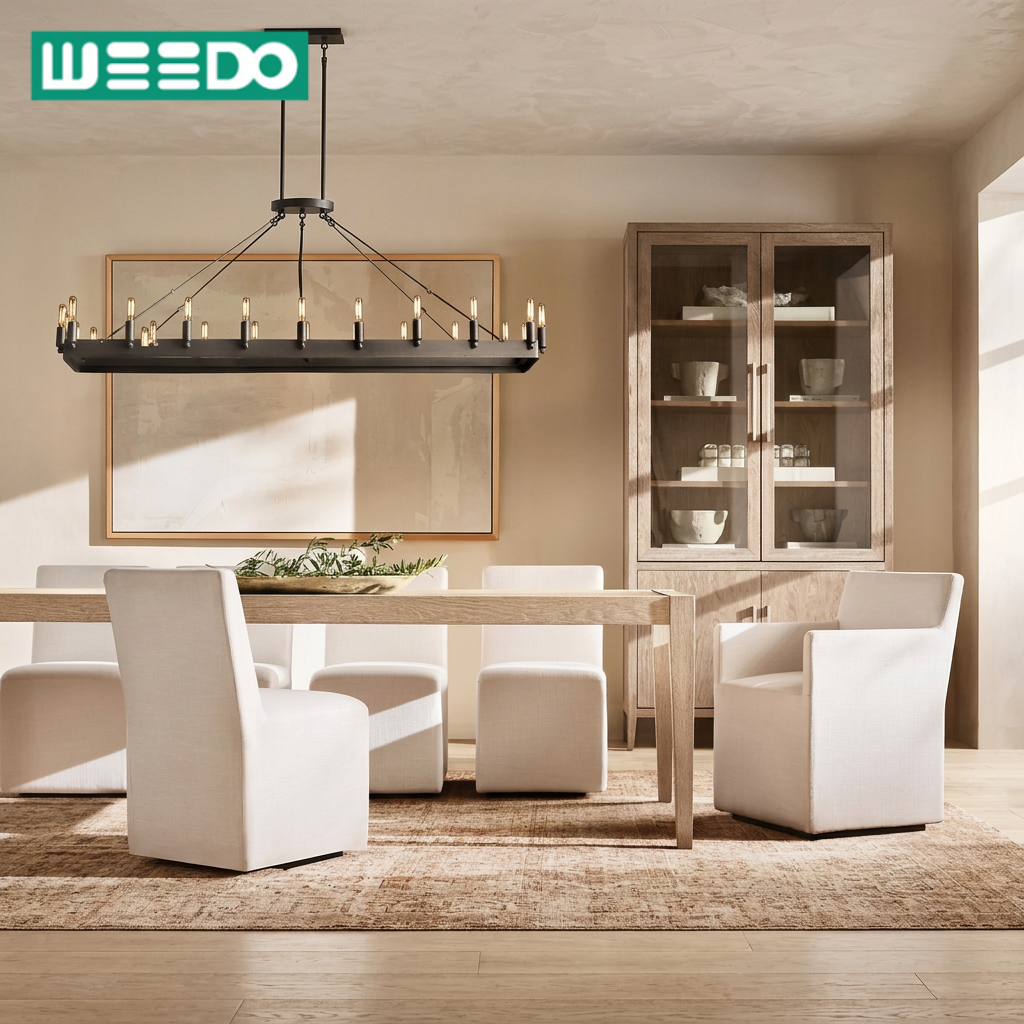
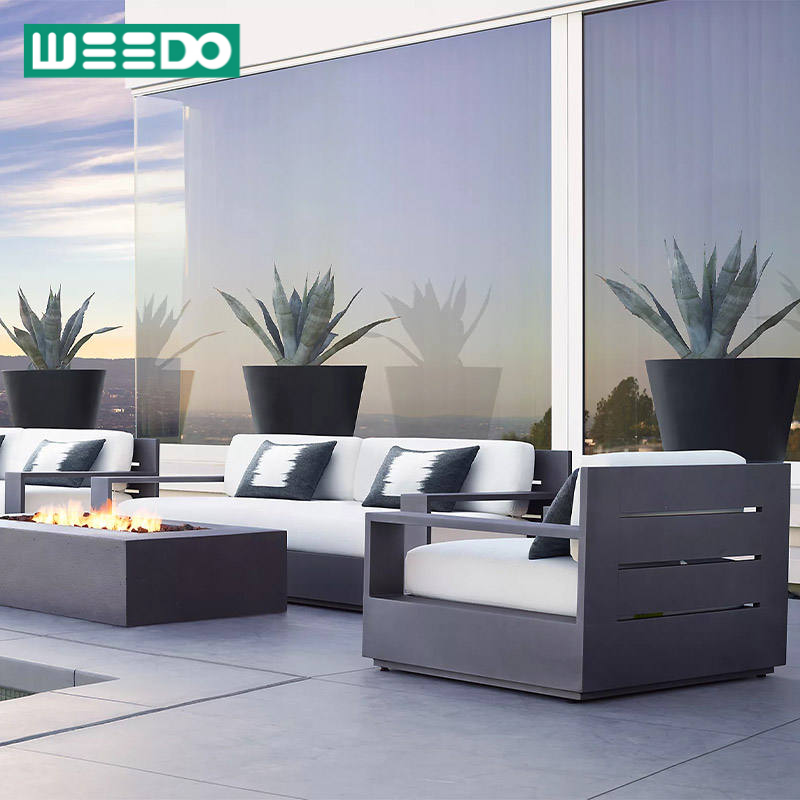
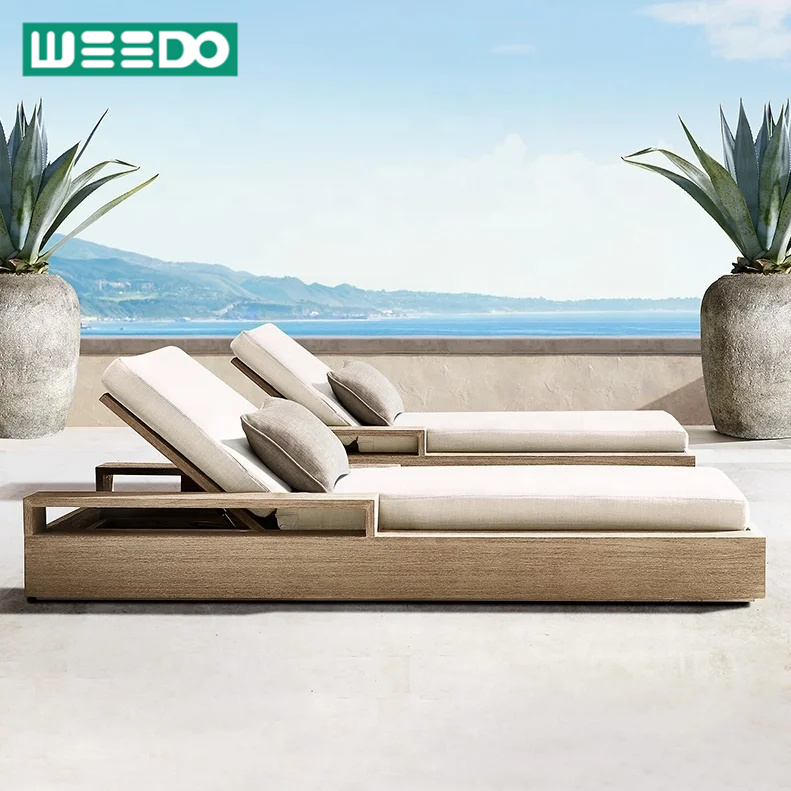
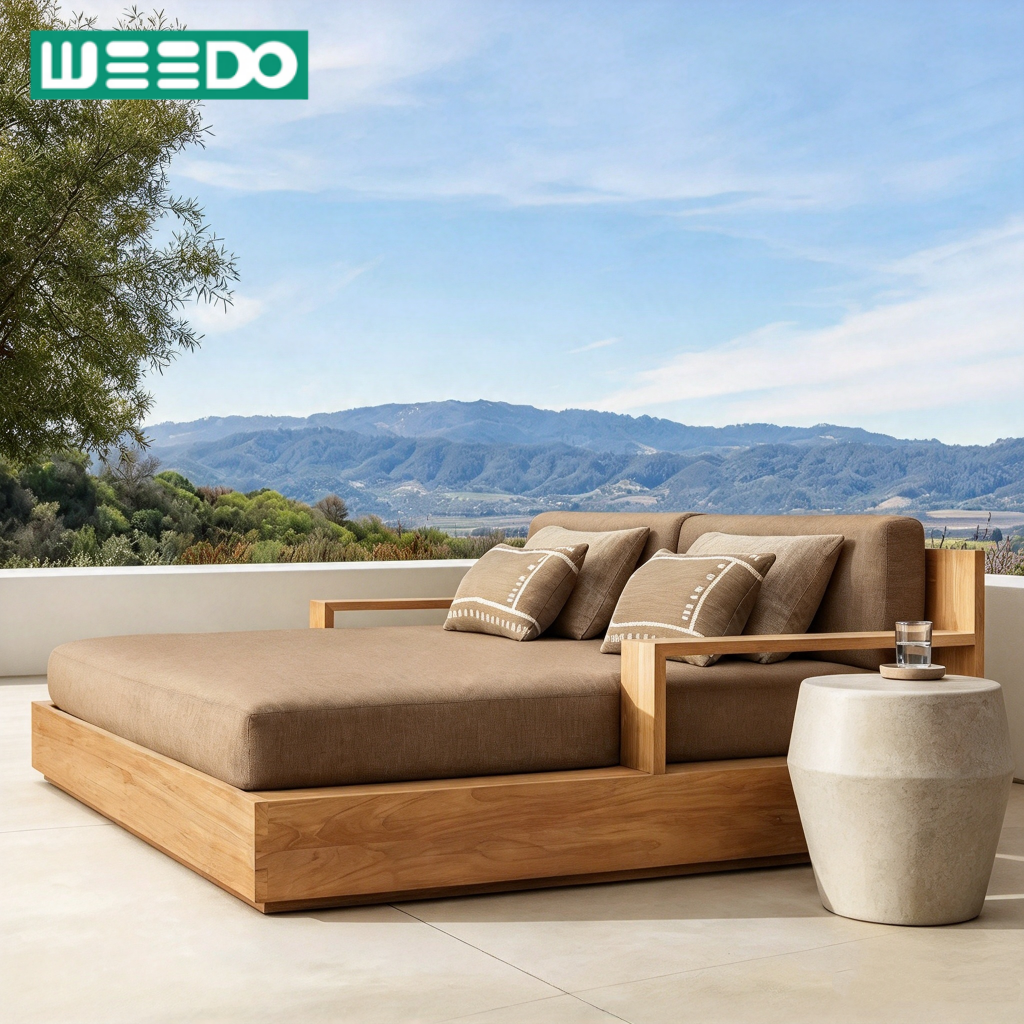

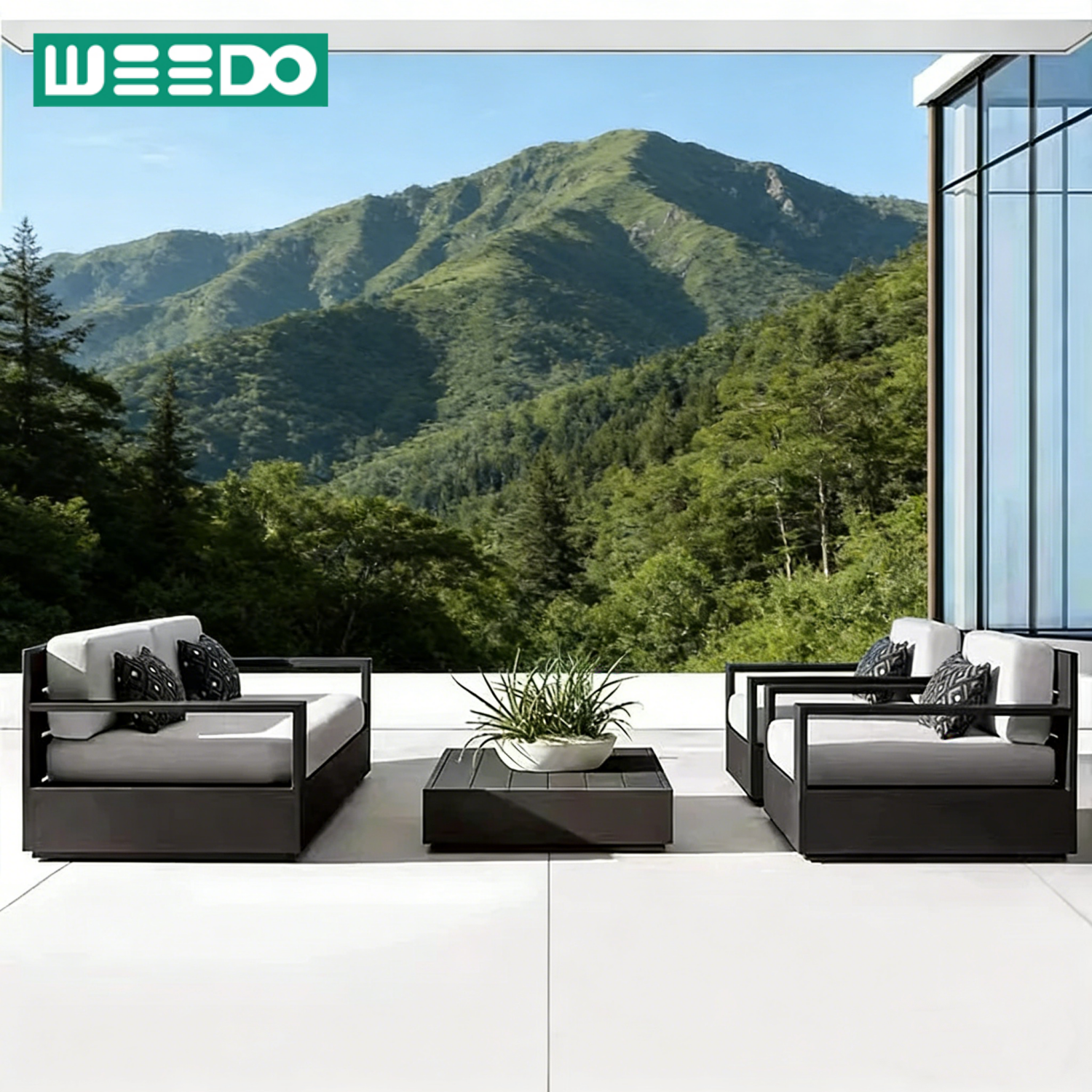
In luxury hospitality, seaside beachfront developments, and master-planned residential terraces, outdoor furniture is not merely an aesthetic component—it is a critical architectural asset subject to severe atmospheric degradation.
Global procurement teams often confront failure from warping, black-mold bloom, and checking caused by sapwood contamination and uneven drying.
Terraces located within 1 km of marine shores require specialized electrochemical pre-treatments to prevent filiform corrosion.
Traditional open-cell cushions act as water sponges, deteriorating cores and releasing unpleasant mildew odors in contract resort settings.
| Material / Attribute | Commercial Terrace Spec (CLENT Standard) | Standard Market Grade (Residential) | Contract Risk Mitigation Factor |
|---|---|---|---|
| Teak Timber Grading | Grade-A Kiln-Dried Heartwood (Zero sapwood) | Mixed Grade B/C (High sapwood & checks) | Eliminates cracking, rot, and grain splitting under intense solar exposure |
| Aluminum Tube Thickness | 1.8mm – 2.5mm Seamless 6063 Extrusion | 0.9mm – 1.1mm Welded Seam Aluminum | Prevents frame collapse, joint snapping, and deformation under wind/load stresses |
| Fastener Metallurgy | AISI 304 / 316 Stainless Steel with anti-seize | Zinc-Plated Carbon Steel | Zero rust weepage onto light-colored terrace tiles and luxury cushions |
| Foam Core Technology | High-Density Reticulated Hydrophobic Foam | Conventional Polyurethane Sponge Foam | Allows complete dry-out within 45 minutes after torrential tropical rainfalls |
Analyzing how shifting environmental regulations, circular design mandates, and architectural modularity determine contract sourcing outcomes for international buyers.
Institutional developers across North America, Europe, and the Middle East are formalizing ESG metrics into tender prerequisites. Terrace furniture procurement now requires comprehensive supply-chain transparency:
From sustainable timber certifications (SVLK / FSC chain-of-custody) to 100% infinitely recyclable aluminum extrusions. Exporters able to verify Life Cycle Assessments (LCA) and utilize carbon-neutral finishes are replacing unverified producers.
Commercial rooftops, hotel terraces, and beachfront dining spaces need dynamic multi-use layouts. Rigid monolithic furniture suites are giving way to intelligent micro-modular frameworks:
Engineered with universal interlocking stainless connectors, terrace sofas quickly reconfigure from private daybeds into social lounge clusters. This drastically reduces FF&E replenishment costs across seasonal transitions.
Global climatic extremes—prolonged heatwaves, intensified coastal hurricanes, and high atmospheric humidity—have rendered traditional outdoor residential furniture obsolete for contract applications:
Procurement mandates require structural wind-load certifications (up to Beaufort Scale 9), non-fading hydrophobic yarn weaves, and concealed drainage architecture that mitigates standing water hazards.
Headquartered in Foshan, Guangdong—the epicenter of global furniture craftsmanship—CLENT operates a unified manufacturing ecosystem eliminating intermediary markups and ensuring repeatable tolerances.
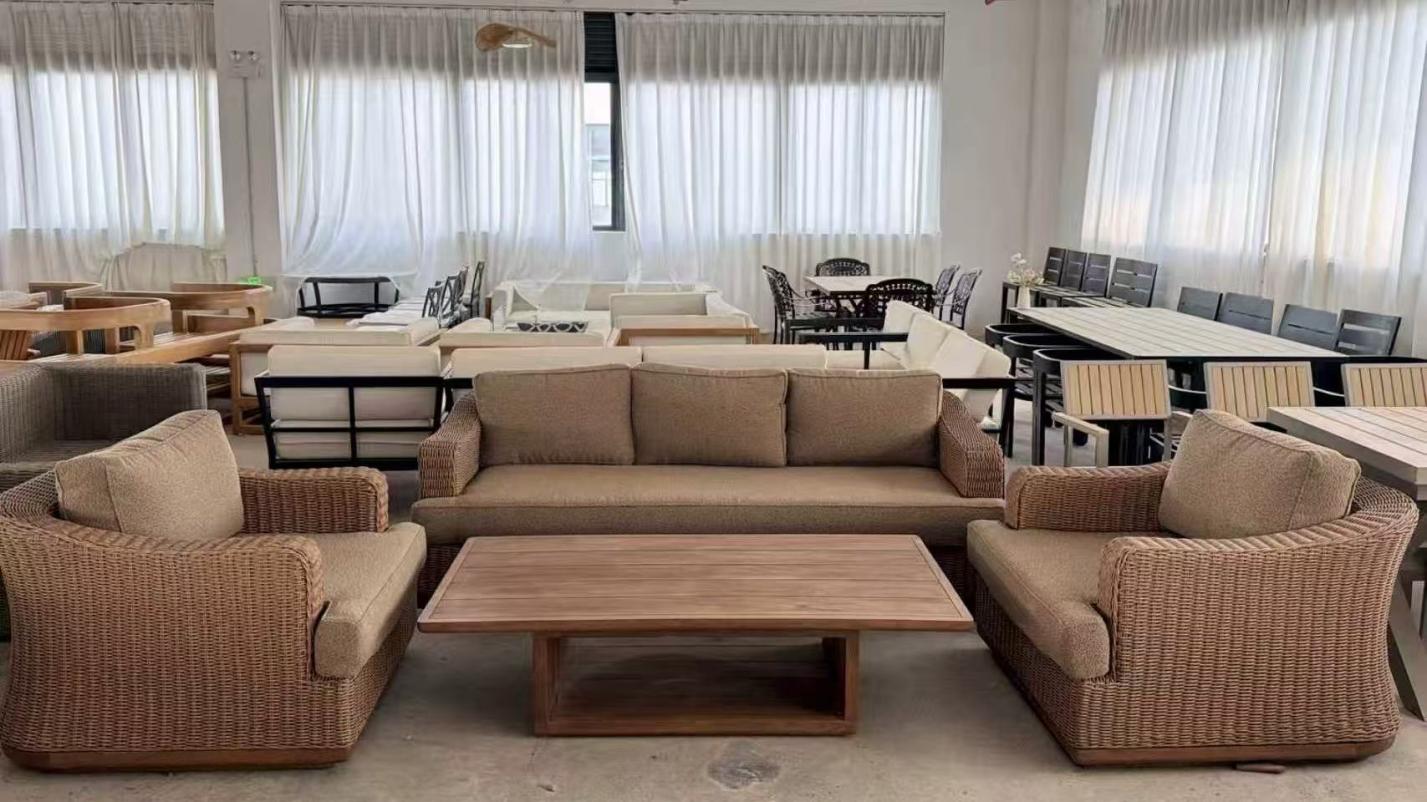
Every wooden slat and aluminum bracket is processed via multi-axis CNC routers. This guarantees modular interchangeability and precise joint alignment across high-volume contract consignments, ensuring replacement parts match previous production batches exactly.
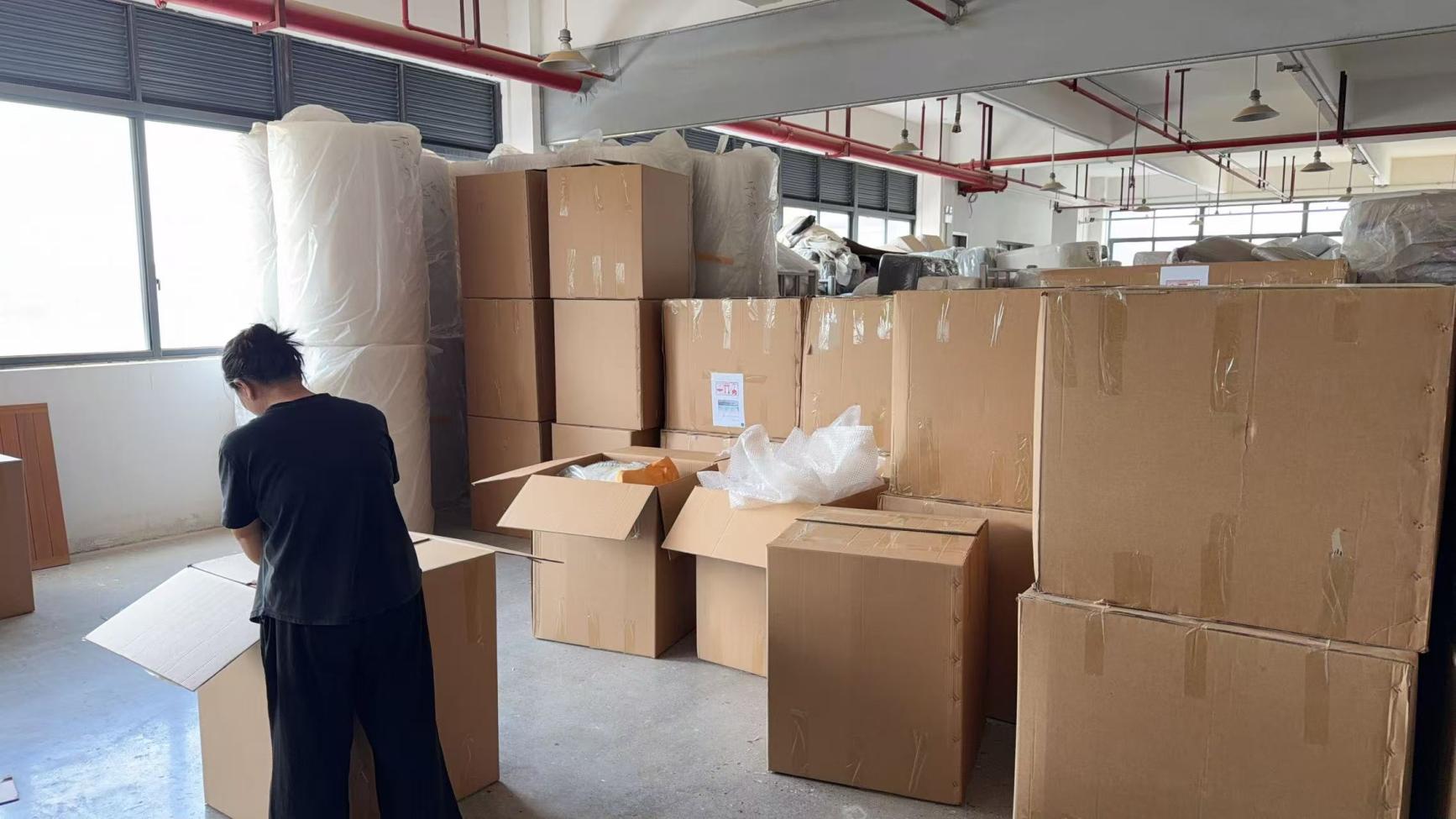
From initial timber moisture meters and aluminum profile micrometer audits to pre-shipment dry-fitting and load testing. Buyers receive transparent, photographic inspection dossiers prior to final container sealing, verified via third-party inspection agencies.
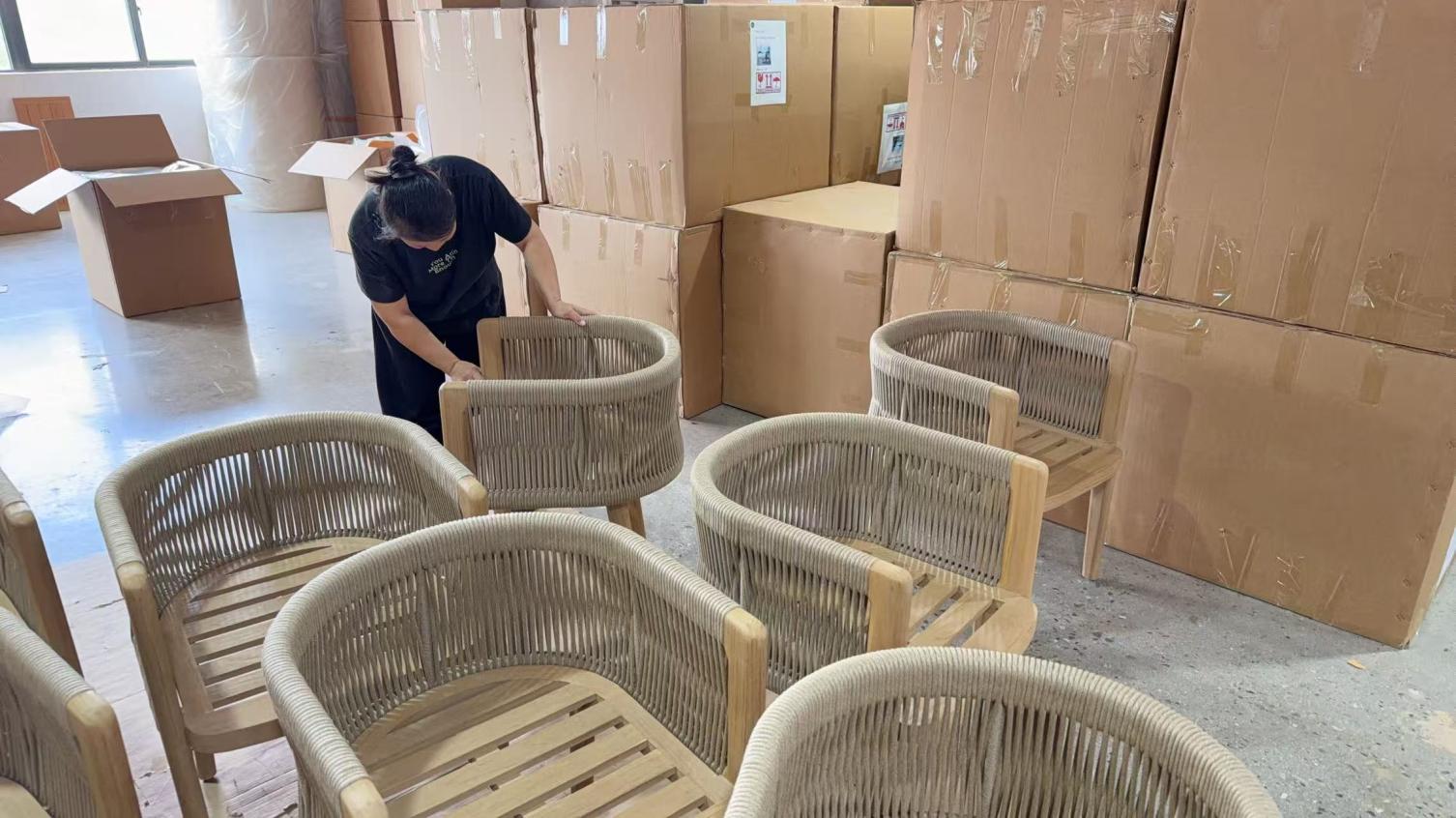
Ocean freight economics directly dictate buyer profitability. Our in-house engineering team designs custom knock-down (KD) configurations, corner edge-protectors, desiccants, and high-burst-strength cartons that optimize CBM capacity while guaranteeing zero transit abrasion.
Clear, direct answers regarding custom manufacturing tolerances, global shipping certifications, and technical material compliance.
We eliminate sapwood entirely, utilizing only the dense inner heartwood of mature Grade-A teak. The timber is slowly seasoned in computerized kiln-drying chambers until its core moisture content measures 10%–12%. This equilibrium range prevents shrinking or expanding when exposed to coastal thermal fluctuations. The wood's high natural oil and rubber content acts as an organic moisture barrier, inhibiting salt crystallization and bacterial mold growth.
For customized OEM architectural projects, our typical minimum order is 1x20GP container (or 20–50 pieces per individual customized SKU). Lead time for technical shop drawings is 3–5 working days; 3D prototypes or pre-production physical samples require 15–20 days; and mass manufacturing for standard 40HQ volume generally ranges between 35 and 45 calendar days, contingent upon bespoke textile and finish approvals.
We use solution-dyed acrylics and commercial olefins. Unlike piece-dyed textiles where pigment is added only to the fiber surface, solution-dyeing blends color pigments directly into the liquid polymer before fiber extrusion. This delivers UV fastness reaching European Standard 7-8 and AATCC 16 rating (guaranteed for 3 to 5 years against fading). Our fabrics include anti-stain fluorocarbon coatings that repel pool chlorine, tanning oils, and ocean salt sprays.
Yes. We regularly produce hospitality furniture compliant with international contract safety regulations. We provide certified testing for BS 5852 Crib 5 (UK Fire Safety), California TB 117-2013, NFPA 260, and EN 581 (Commercial Outdoor Seating Stability & Strength). All material compliance certificates and laboratory documentation can be provided during sample confirmation.
Export cargo experiences significant temperature shifts and ocean vessel movement. We employ a multi-layered protective approach: finished frame surfaces are wrapped with non-abrasive EPE foam, corners receive reinforced five-layer honeycomb guards, and moisture-absorbing silica gel bags are distributed inside every master carton. Knock-down parts are fixed to prevent interior impact, and complete container loading plans are verified with software to prevent load crushing.
Connect with our Foshan engineering and estimation team for technical material specifications, CAD drawings, sample mockups, and competitive factory-direct export proposals.