Daybed & Lounger
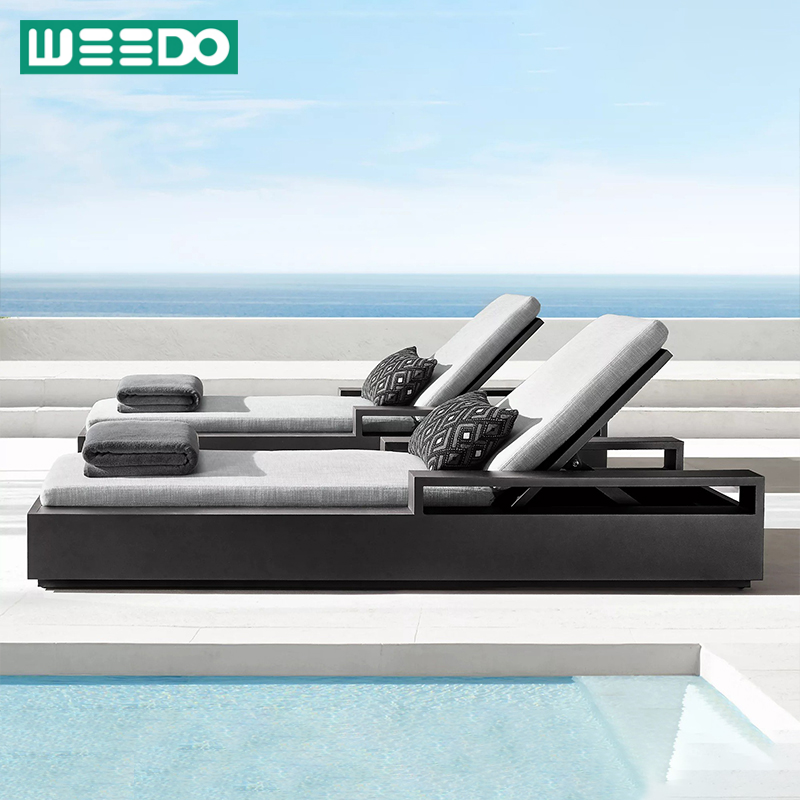
Luxury Modern Hotel Beach Garden Swimming Pool Sunbed Aluminum Daybed
Anodized Alloy
Hydrophobic Sling
Salt-Fog Tested
Engineered to meet the stringent cyclical loading, ultraviolet exposure, and hyper-saline demands of resort shorelines, boutique villas, and commercial exterior living.
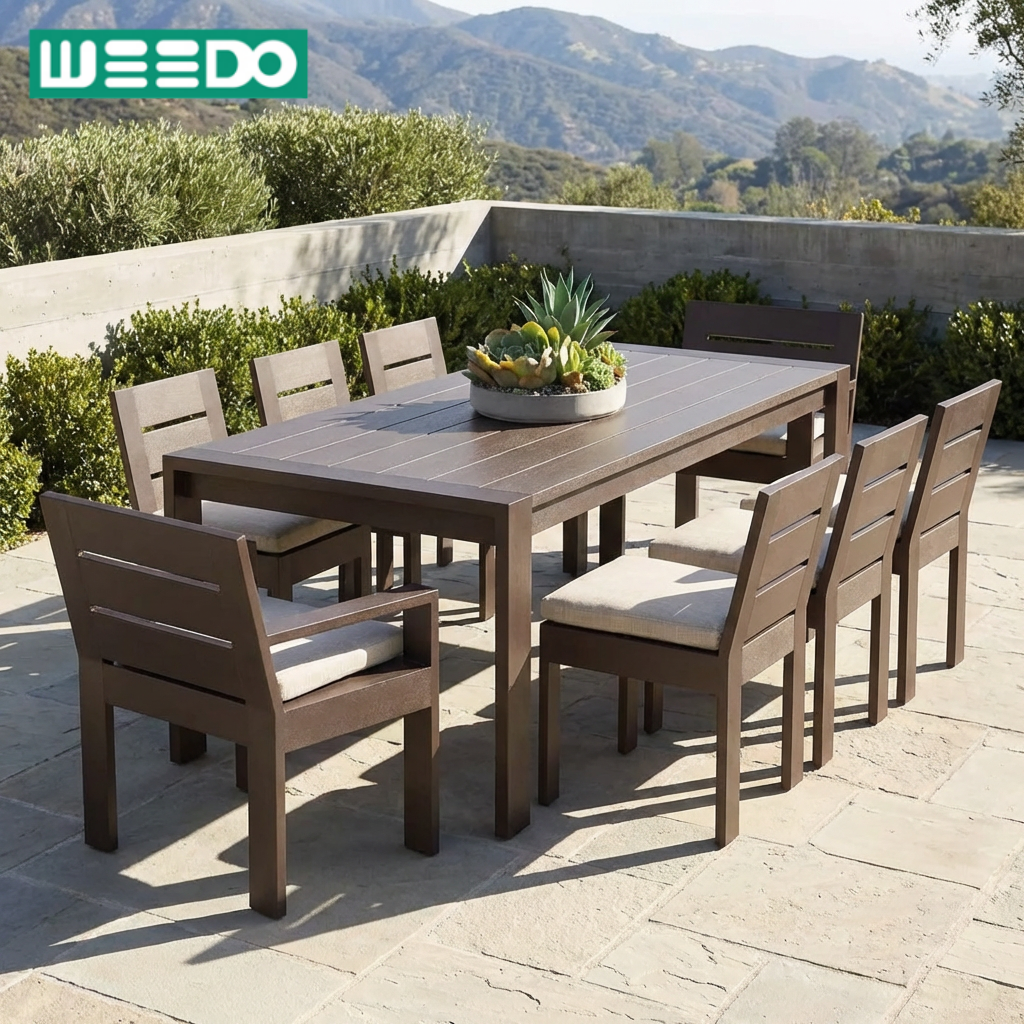
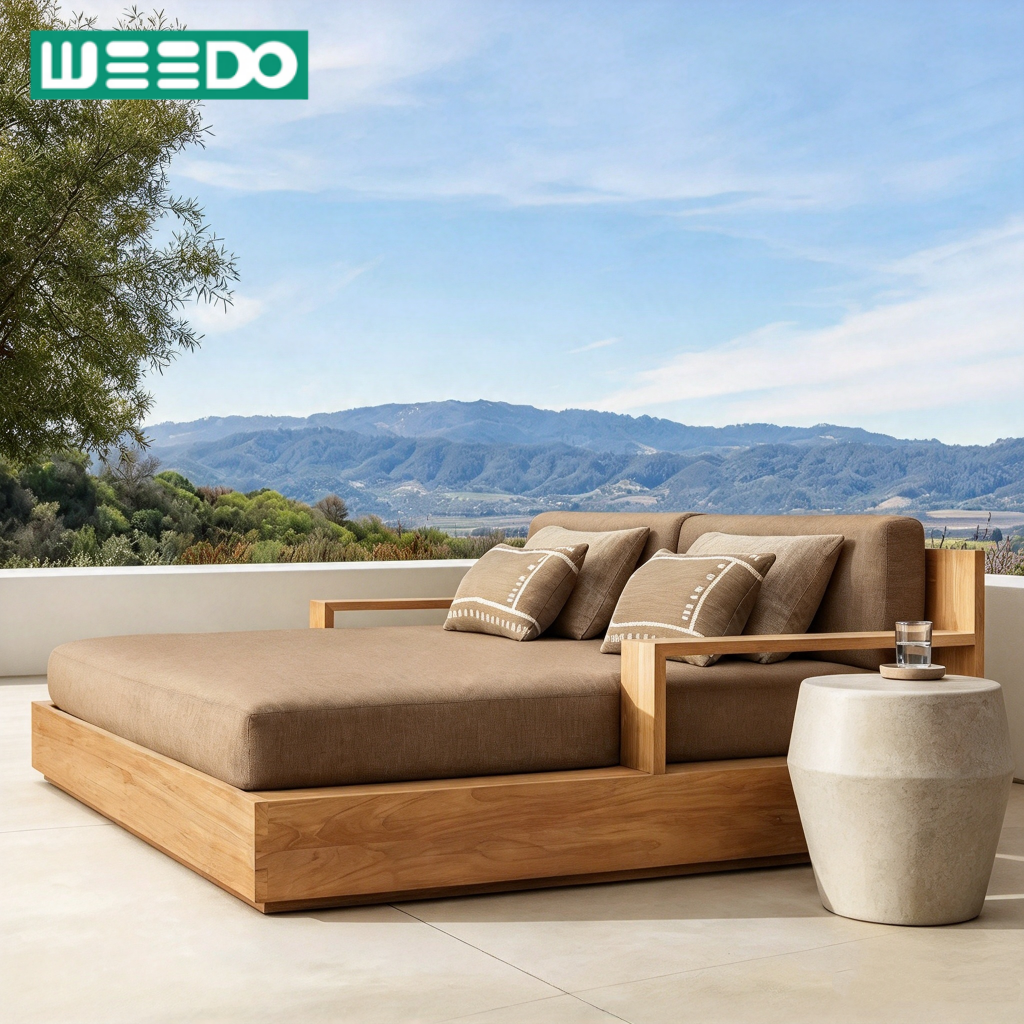
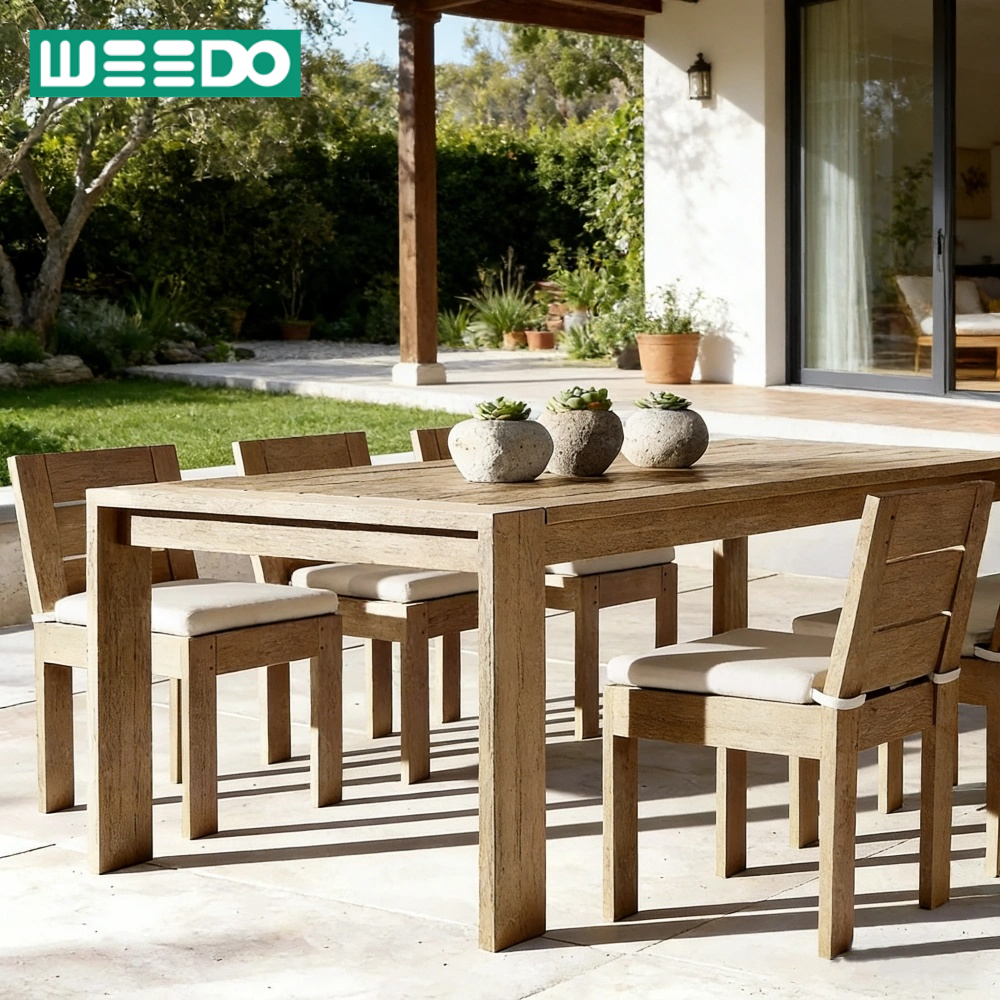
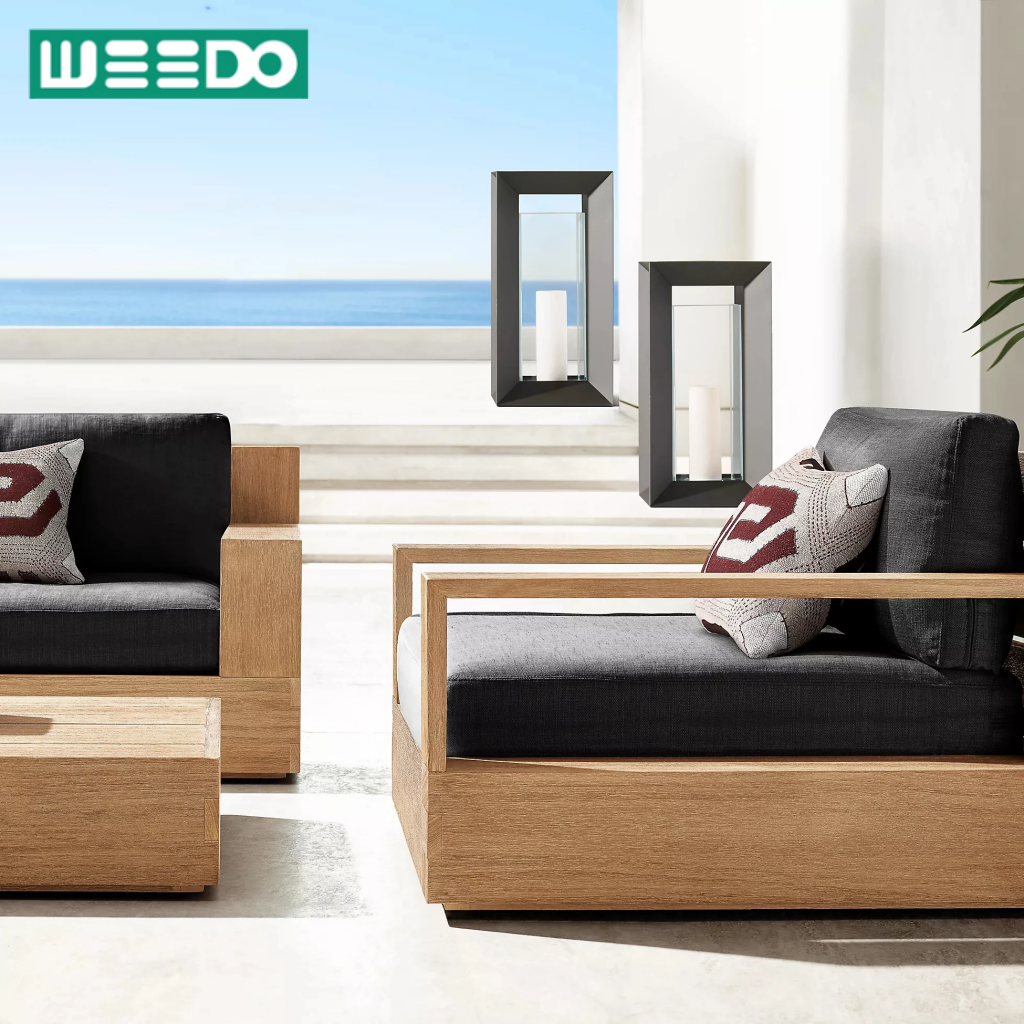


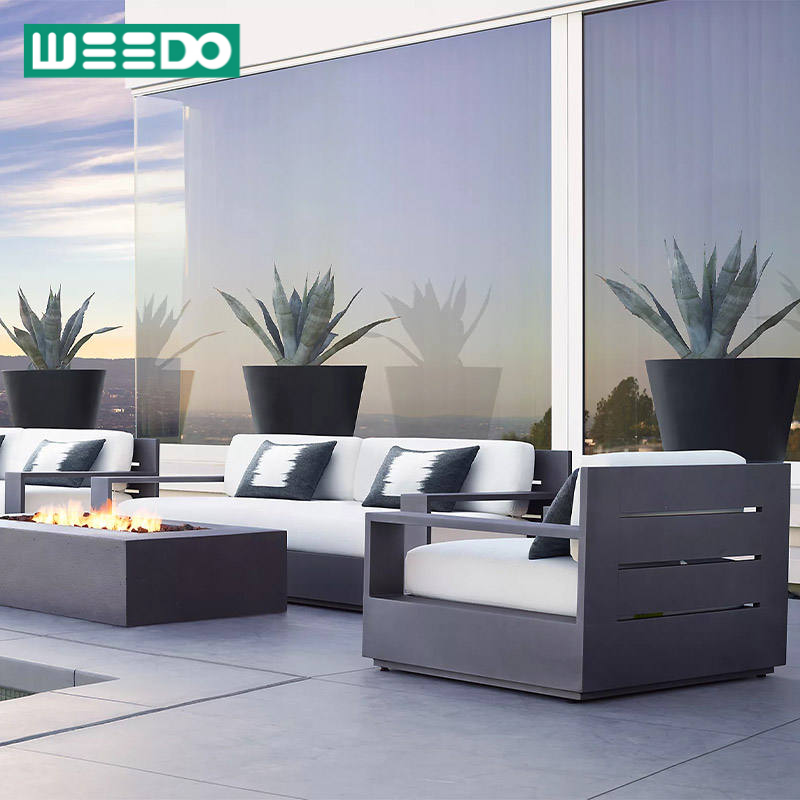
Why Tier-1 Chinese manufacturers have superseded traditional suppliers through composite metallurgy, ecological timber sourcing, and certified textile polymers.
Unlike consumer-grade patio furniture built with scrap cast aluminum, hospitality-contract sofas utilize virgin 6063-T5 alloy billets. Extruded with a uniform wall thickness of 1.8mm to 2.5mm, these sections undergo chemical deoxidization, multi-stage zirconium chromate-free passivization, and electrostatically sprayed AkzoNobel Interpon powder coats, achieving ISO 9227 salt-fog resistance exceeding 3,000 hours.
Tectona grandis sourced from managed forestry concessions undergoes computer-regulated, multi-chamber radio-frequency vacuum kiln drying. The core target moisture is strictly maintained between 10% and 12%, stabilizing volatile extractive resins. Precision 5-axis CNC processing fabricates double-locked mortise-and-tenon structural joints anchored with marine SS316 tie-rods.
Advanced commercial couch upholstery utilizes dry-feel open-cell polyurethane foam with an open pore structure designed for instant gravitational drainage. Enclosed in hydrophobic solution-dyed olefin or high-performance spun acrylic membranes, the filaments achieve Grade 8 lightfastness under ISO 105-B02 accelerated Xenon arc exposure standards without chemical plasticizer bleed.
Strategic multi-variable metrics for hospitality buyers, resort procurement directors, and commercial project managers.
| Evaluation Parameter | Grade-A Teak Hardwood | Architectural 6063 Aluminum | Thermoplastic Polyethylene / Rope Weave | Commercial Polymer Composite |
|---|---|---|---|---|
| Mechanical Tensile Load | Extreme (>75 MPa Yield); superior bending resilience | High (215 MPa Tensile); exceptional rigidity | Flexible; load distributed over welded alloy inner framework | Moderate; reliant on structural internal steel or ribs |
| Coastal Salt-Spray Performance | Immune to rust; naturally exudes rot-inhibiting rubber resins | 3,000h+ ASTM B117 salt spray compliant with fluoropolymer coating | Impervious to water; requires marine-grade Olefin cord cores | Immune to rust; potential long-term surface chalking under intense sun |
| Thermal Surface Retention | Low heat conduction; comfortable in direct tropical sun (>40°C) | Moderate to high; mitigated through sling or cushion barriers | Neutral touch; excellent breathability and air circulation | Moderate thermal retention; surface softening risks in extreme climates |
| Project Maintenance Cycle | Periodic oiling or untreated natural silver-patina transformation | Near-zero; periodic neutral soap cleansing for clear aesthetics | Periodic high-pressure rinse to remove organic airborne residue | Low; periodic chemical wash down against bacterial spotting |
| Ideal Contract Application | Ultra-luxury beachfront suites, private villas, signature dining | High-turnover pool terraces, urban rooftop bars, modern balconies | Spa sanctuaries, bohemian resort lounges, shaded cabanas | Public parks, high-traffic commercial decks, educational grounds |
How the southern China manufacturing cluster (Foshan, Shunde, Dongguan) is redefining the global supply chain equilibrium.
High-end garden couch factories have transitioned from manual TIG operations to multi-axis robotic Cold Metal Transfer welding. This minimizes thermal deformation of thin-walled aluminum extrusions, eliminating micro-cracking and achieving 100% seam air-tightness, completely preventing internal moisture accumulation and subsequent internal oxidative corrosion.
Driven by strict European and North American carbon border adjustments (CBAM) and ESG mandates, leading Foshan suppliers utilize up to 80% recycled post-consumer aluminum billets melted via clean energy, coupled with GRS (Global Recycled Standard) certified rPET marine-waste yarns for outdoor cord weaving and upholstery covers.
Ocean freight economics have forced an engineering overhaul of deep-seating modular garden couches. Patented hidden structural fasteners allow intricate 3-seater sofas and oversized daybeds to ship semi-knockdown (KD), elevating container cube utilization by 140% to 220% without sacrificing commercial rigidity once assembled on site.
Eliminating middlemen, trading agencies, and distributed sub-contractors through a unified vertical facility spanning raw timber conditioning to multi-layered export container staging.
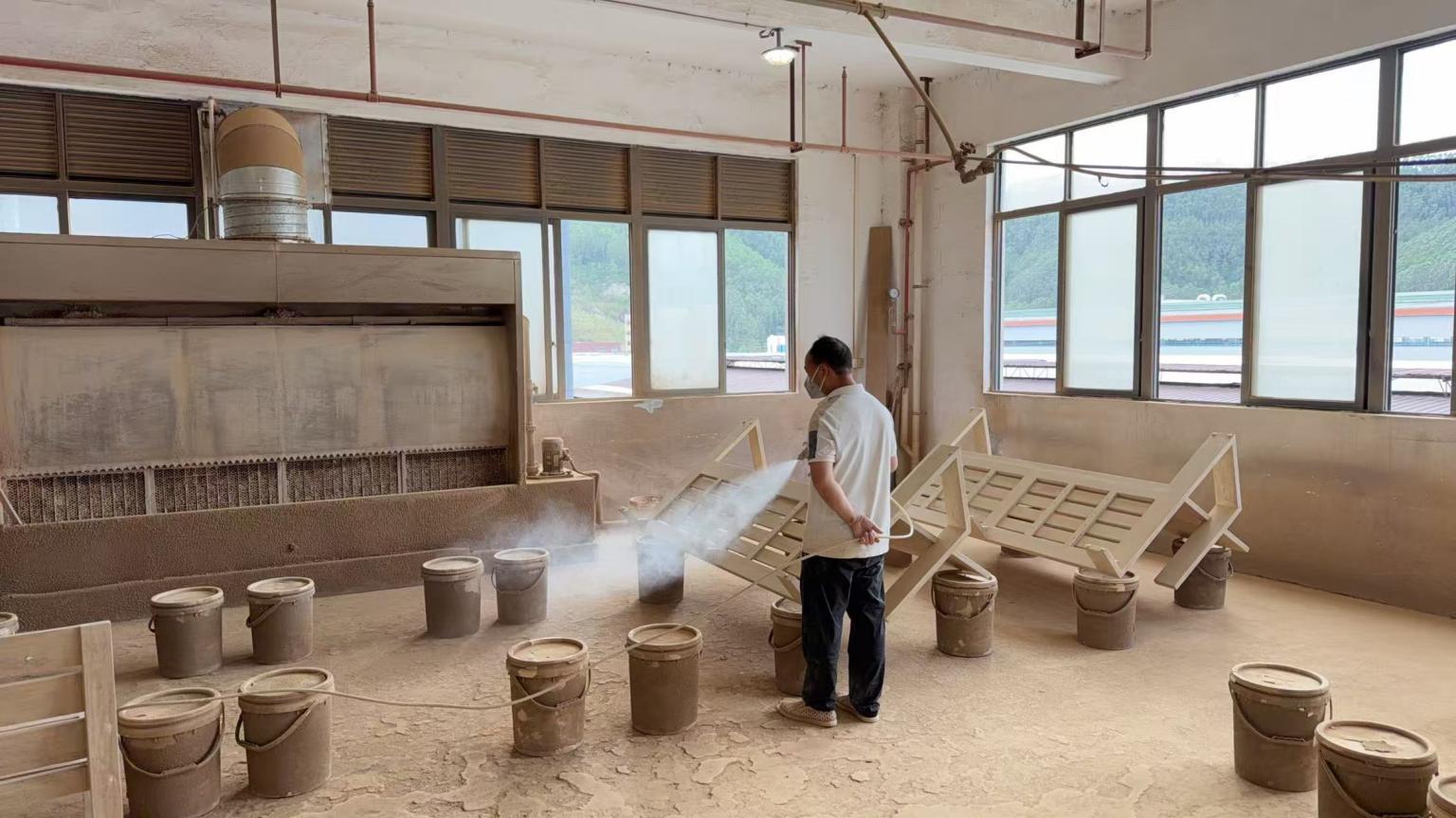
Strict kiln drying to 10-12% moisture followed by high-precision CNC multi-angle timber shaping.
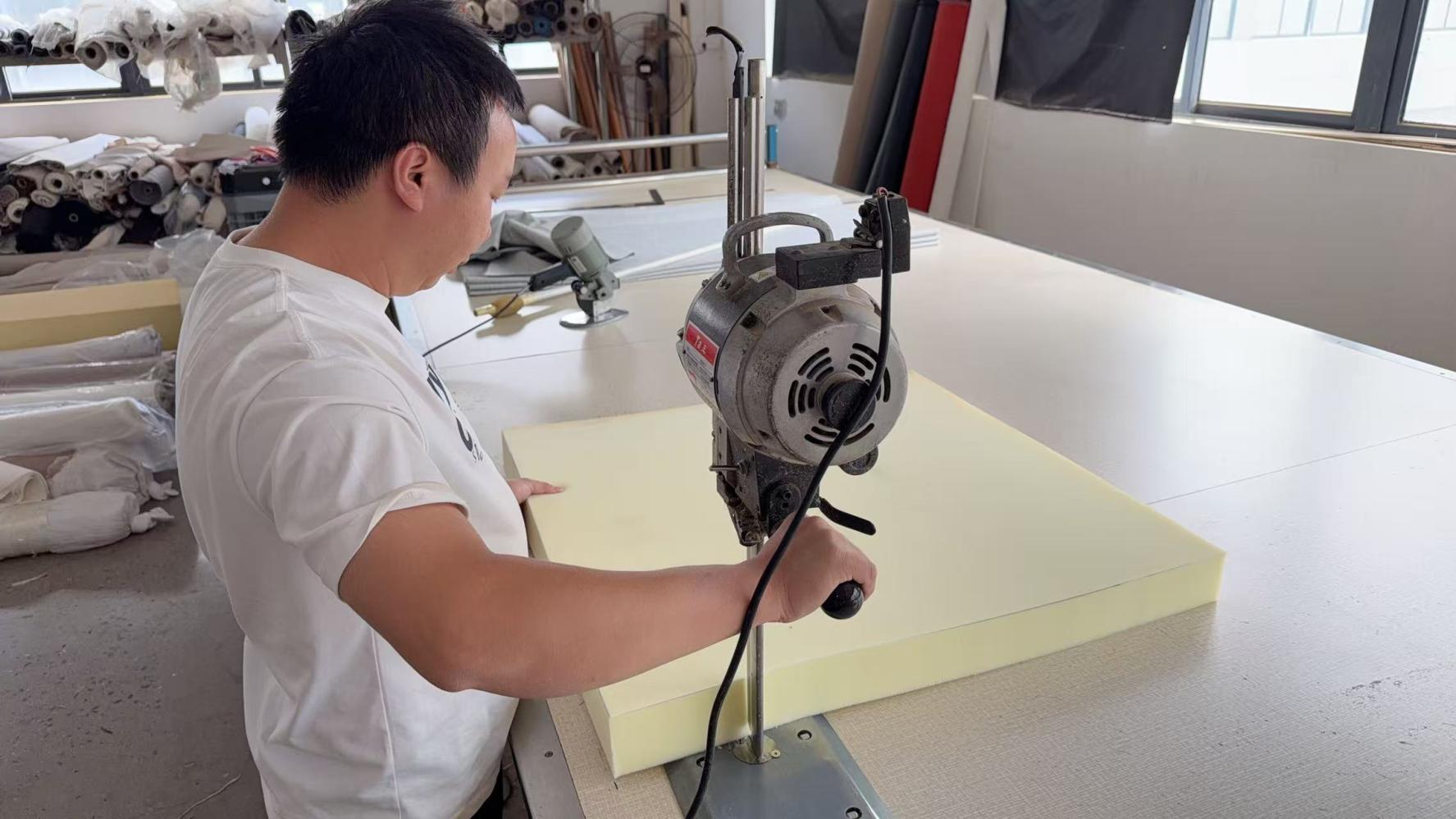
Triple-stage progressive grit mechanical sanding ensuring velvety, splinter-free surfaces across all edges.

TIG structural frame locking, tensile cord braiding, and full planar alignment testing under load.
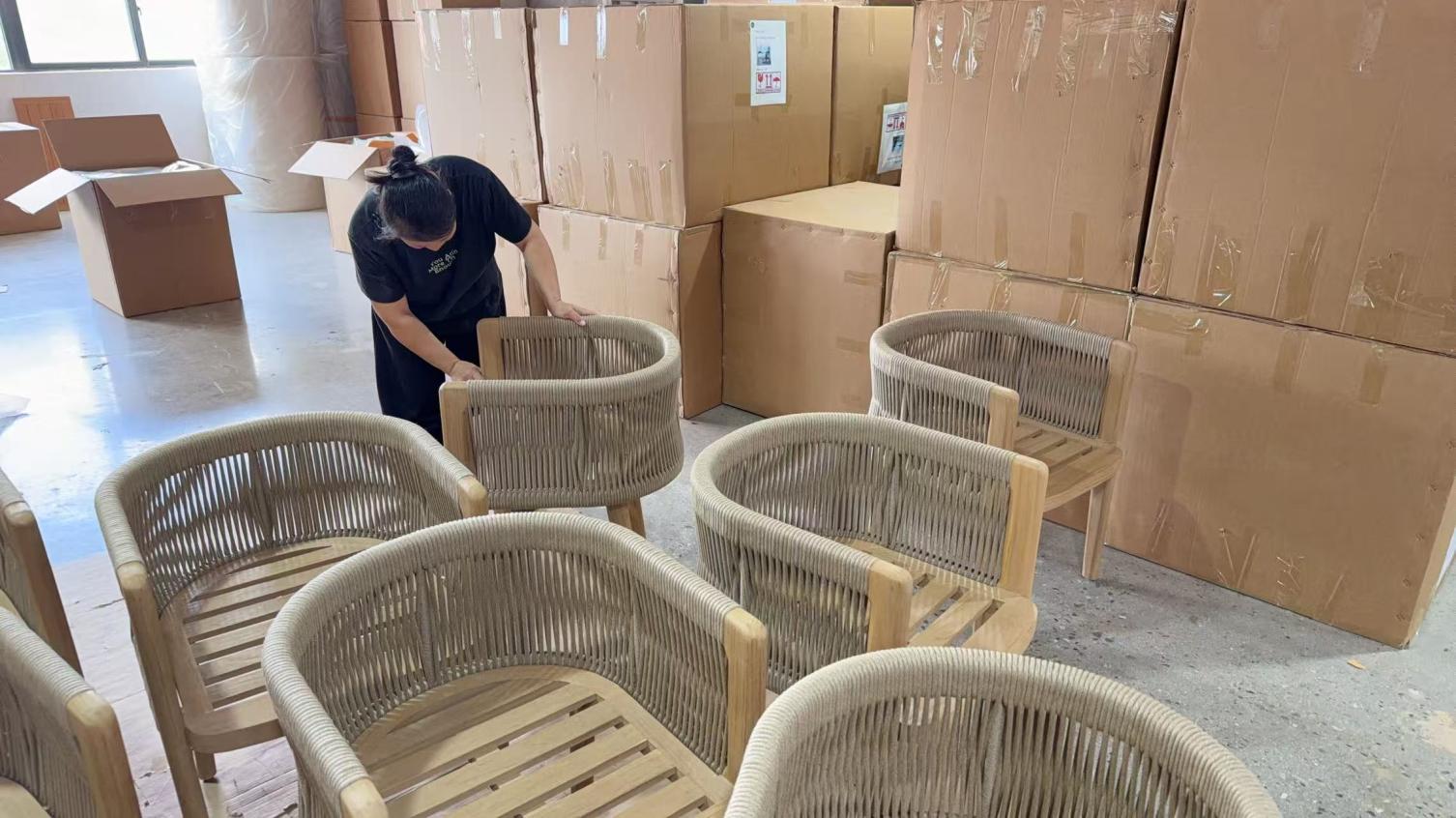
Edge crush test (ECT) rated cartons, moisture desiccant bags, corner guards, and load-optimized stacking.
Definitive engineering answers compiled by our chief materials engineers and export logistics managers.
Mildew proliferates when organic water particulates remain trapped inside closed-cell foam matrices. Tier-1 China factories resolve this by substituting standard high-resilience (HR) indoor foams with reticulated open-cell dry-fast polyurethanes. Paired with Dacron batting that repels moisture and breathable mesh venting backings at the underside of cushion jackets, vapor is purged continuously, preventing anaerobic fungal growth even in tropical monsoons.
Enterprise procurement specifications require proof of compliance with EN 581-1/2/3 for contract outdoor seating, assessing static loading (up to 200 kg per seating module), cyclical fatigue (100,000 cycles to backrest and seat), and drop impact verification. For surface integrity, factories must provide third-party verification of salt-spray endurance (ASTM B117) and Xenon-arc fabric colorfastness (AATCC 169 or ISO 105-B02 Grade 7-8).
Grade-A teak represents the heartwood extracted exclusively from the mature center of the log (minimum 30–40 years of tree growth). It features dense, amber-gold grain patterns saturated with natural protective rubber oils and silica. In contrast, Grade-B and outer sapwood contain high starch content, lower silica, and unstable moisture retention, making them vulnerable to termite infestation, rot, and severe dimensional warping when exposed to extreme thermal cycling.
Standard OEM/ODM contract terms from verified Foshan manufacturers establish clear pre-shipment sign-offs via third-party inspection firms (SGS, TÜV, Bureau Veritas) combined with comprehensive factory photographic logs of every loaded CBM. In the rare event of structural metal fatigue or joinery failure within the 3-to-5-year warranty period, reputable factories provide replacement structural components or direct credit balances in subsequent container runs.
Yes. Chinese aluminum extrusion tooling costs remain among the most competitive globally. An entirely bespoke structural extrusion die typically ranges between $800 and $2,200 USD, often fully amortized or refunded upon reaching initial container order thresholds (typically 1–2 x 40ft HQ containers). Furthermore, CNC timber milling allows full dimensional customization of solid teak frames with zero mold or tooling fees.
Contract-level packaging utilizes multi-tier defensive wrapping: direct surface contact areas are lined with scratch-resistant, breathable foam wrap (non-PVC to prevent surface chemical migration), corners are reinforced with 5-ply honeycomb edge protectors, structural feet are clad in heavy HDPE shoes, and overall items are boxed in heavy-duty 275-lb test outer cartons lined with vapor-barrier desiccant pockets.
Consult with our engineering desk for immediate technical specifications, CAD layout integrations, material swatch portfolios, and direct factory container pricing.