B2B Manufacturing Intelligence • Foshan Hub

Top China Outdoor Furniture Factories & Supplier

Comprehensive B2B Sourcing Guide, OEM/ODM Engineering Protocols, and High-Performance Hospitality Specification Standards.

Direct Commercial Offerings

Engineered Exterior Furniture: Premier Commercial Lineup

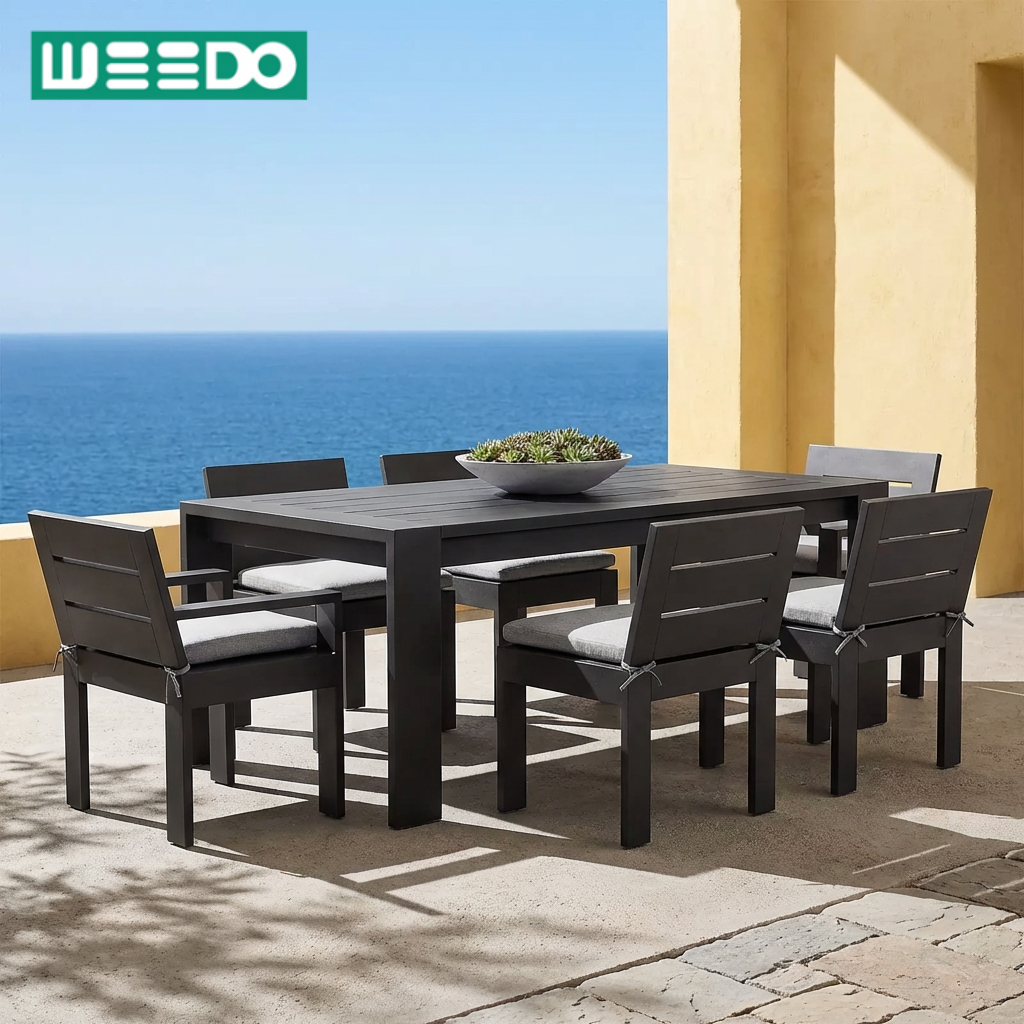
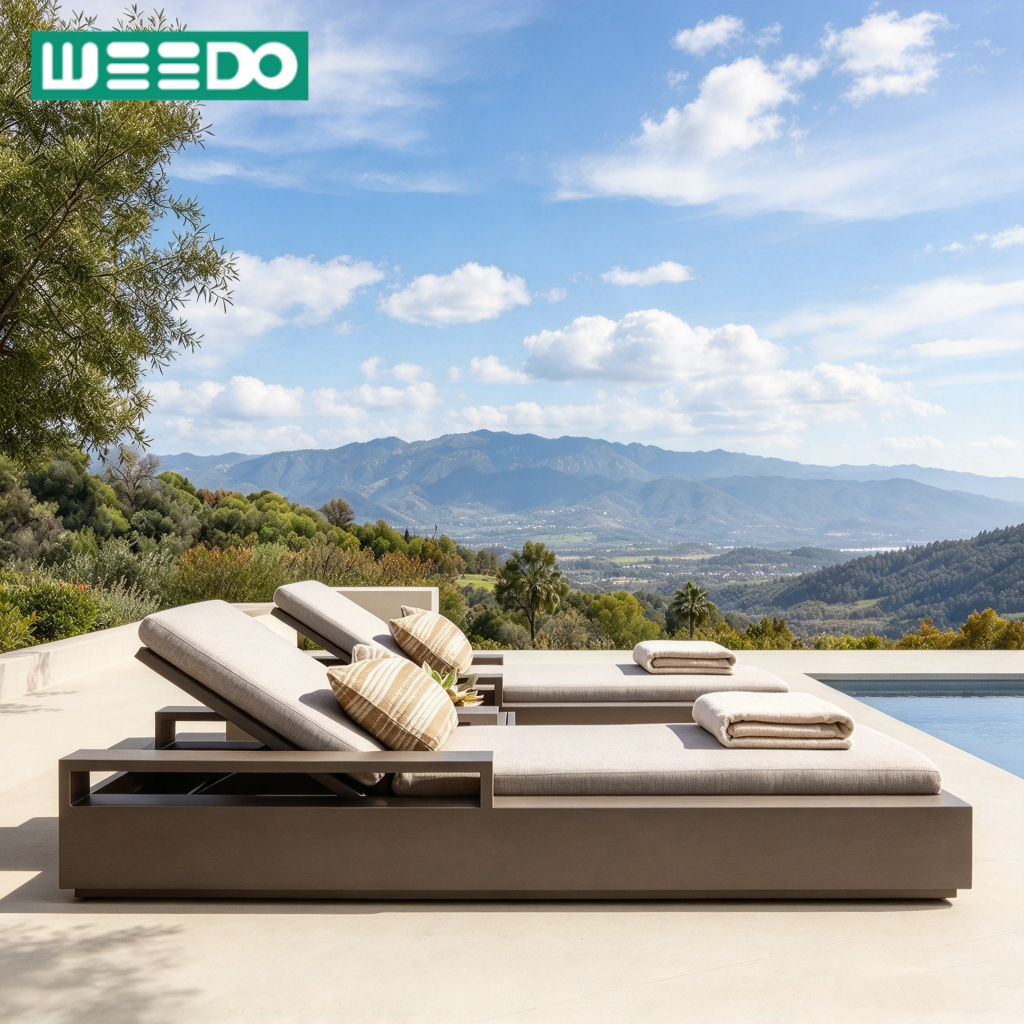
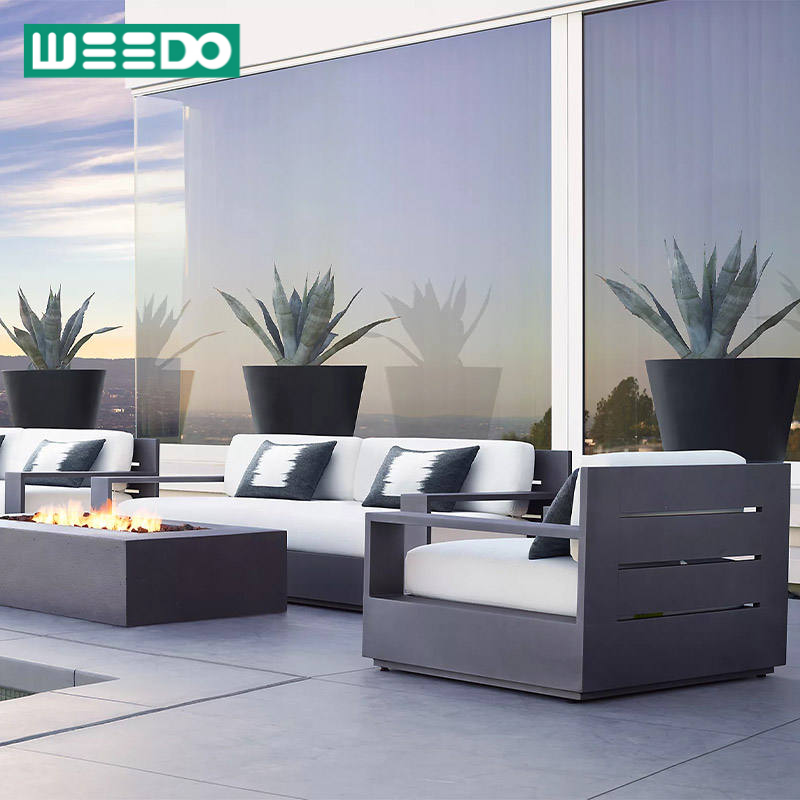
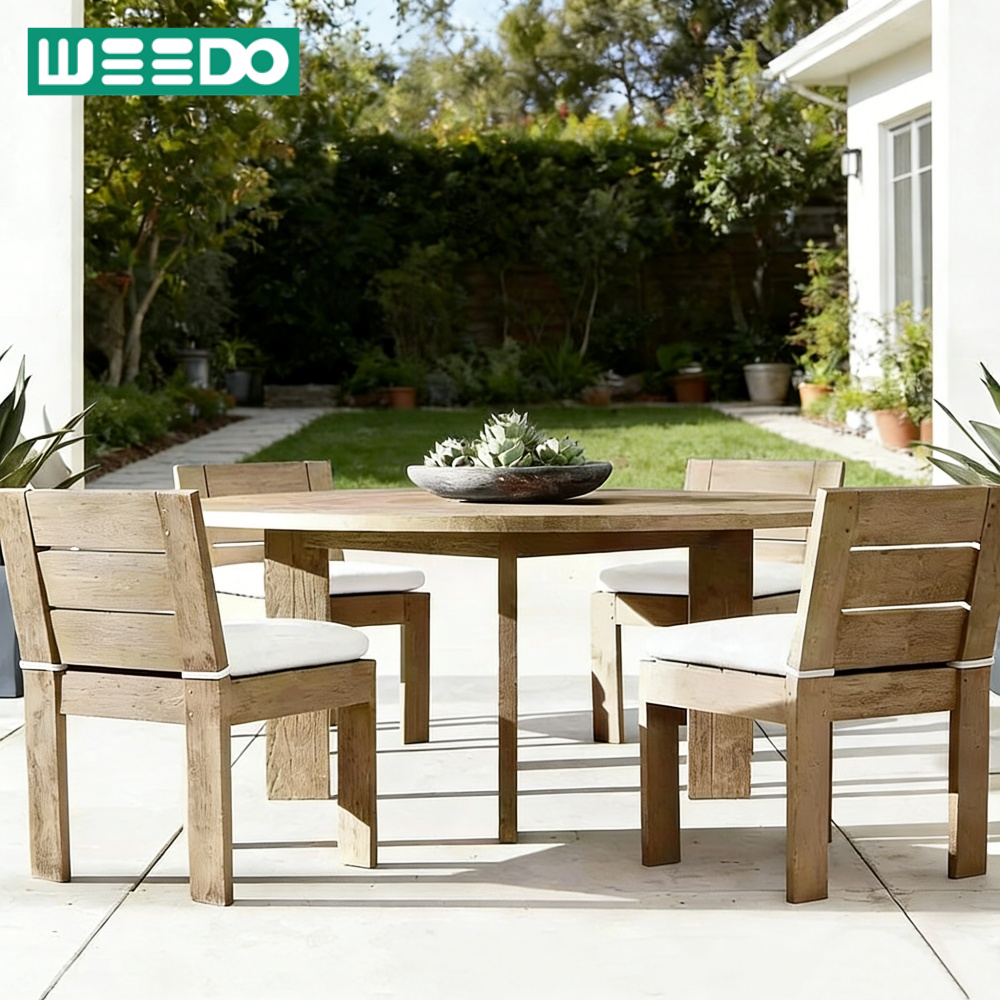
Precision-crafted in Foshan, Guangdong. Engineered specifically for high-turnover luxury resorts, boutique villas, commercial rooftop venues, and contract volume importers worldwide.

Supply Chain Geography

Navigating China's Outdoor Furniture Manufacturing Hubs

Understanding regional specialization across Chinese industrial clusters is the single most vital factor for enterprise procurement managers striving to balance landed cost, lead-time variance, and material integrity.

80%
Foshan Global Export Share (High-End)
10-12%
Precision Kiln Moisture Content
6063-T5
Marine Powder-Coated Aluminum Standard
2,000+
UV Resistance Hours (Xenon Arc Test)

Foshan & Shunde (Guangdong): Hospitality & Mixed Material Capital

As the nucleus of China's high-end furniture ecosystem, Foshan—led by key districts like Shunde and Nanhai—specializes in high-margin contract hospitality programs, Grade-A imported teak, structural 6063 architectural aluminum, and sophisticated Italian-inspired olefin rope weaving.

Proximity to Nansha and Yantian ports provides unmatched ocean freight flexibility, while local access to premium surface coaters (e.g., AkzoNobel, Tiger Drylac) guarantees marine-grade anti-oxidation finishes.

Ningbo & Linhai (Zhejiang): Mass Volume & Standardized Retail

Zhejiang province, especially around Linhai, Taizhou, and Ningbo, excels in large-scale big-box retail manufacturing (e.g., steel-tube garden furniture, standard PE rattan sets, mass-market parasols, and gazebos).

While production capacities are vast with competitive price points for container-load retail programs, customization agility and structural Grade-A timber crafting capabilities remain significantly lower than Foshan contract manufacturers.

Qingdao & Northern Hubs: Cast Aluminum & Ironwork

The northern manufacturing cluster focuses historically on traditional die-cast aluminum garden sets, heavy decorative wrought iron, and classical Victorian patio aesthetics.

Northern factories benefit from direct metallurgy inputs, yet lack the tight integration of performance outdoor fabrics, high-resilience foam suppliers, and artisan hand-weaving masteries concentrated in Southern China.

Material Performance Engineering

B2B Material Specification Matrix & Durability Metrics

When sourcing contract-grade exterior furniture from Chinese suppliers, verifying component grades against international ASTM and ISO standards prevents catastrophic failures in hyper-saline or high-UV environments.

Material Component Commercial Grade Standard Factory Benchmark (CLENT Foshan) Testing & Compliance Protocol Commercial Durability Lifespan
Timber (Teak) Indonesian / Myanmar Tectona grandis 100% Grade-A Kiln-Dried Heartwood (10-12% MC) ASTM D4442 (Oven-dry moisture testing); Zero sapwood content 15 - 25+ Years
Metal Substructure Architectural Aluminum Alloy 6063-T5 Profile, ≥2.0mm wall thickness at stress joints Full TIG/MIG welding; Pre-treatment nano-passivation wash 10 - 15 Years
Surface Finish Electrostatic Thermoset Powder Tiger Drylac® or AkzoNobel Interpon® (60-90μm film) ASTM B117 (1,500-hr Salt Spray Test without blistering) 8 - 12 Years
Weaving Ropes Solution-Dyed Olefin / Acrylic Core High-tenacity polypropylene/olefin composite band ISO 105-B02 Xenon Arc (Lightfastness ≥ Grade 7-8) 5 - 8 Years
Internal Padding Polyurethane / Reticulated Foam Open-cell reticulated quick-dry foam (30-35 kg/m³) CAL 117 / BS 5852 flammability and rapid drainage test 6 - 10 Years
Joinery Hardware Stainless Fasteners AISI 304 (Standard) / AISI 316 (Coastal / Poolside) DIN 912 stainless machine screws with nylon-locking nuts 15+ Years

Engineering Spotlight: Kiln-Drying Kinetics of Grade-A Teak

A frequent pitfall in low-cost outdoor furniture manufacturing is the improper acclimation of raw teak. Standard timber air-dried in tropical climates frequently contains 18–24% moisture content. When exported to arid zones (such as Nevada, Dubai, or Australia), rapid capillary shrinkage produces severe longitudinal checking, joint separation, and warping.

At CLENT Foshan, timber undergoes a computerized 28-day low-temperature kiln-drying cycle that systematically brings core and shell moisture to a consistent 10%–12%. This stabilizes the natural silicas and rubber resins within the heartwood, delivering exceptional dimensional stability under extreme relative humidity swings.

Future Forecasting

Strategic Procurement Trends Transforming the Outdoor Sector

Procurement executives are no longer evaluating exterior furniture purely on aesthetics. Commercial projects demand circular economy alignment, rapid knock-down freight efficiency, and multi-climate biophilic design.

1. Modular Reconfigurability in Hospitality Spaces

Hotel terraces and seaside lounges now prioritize modular seating systems that can transition seamlessly from daytime sunbed layouts to high-density evening cocktail configurations. Standardized aluminum corner blocks and interlocking teak undercarriages allow rapid on-site reconfiguration without compromising structural rigidity.

2. Sintered Stone & Powdered Hybridization

The industry is shifting rapidly away from monolithic tempered glass surfaces toward ultra-compact sintered stone tops mounted on 6063 architectural aluminum frames. Sintered stone delivers zero water absorption (≤0.05%), non-porous stain resistance against red wine and sunscreens, and complete thermal shock immunity up to 300°C.

3. Supply Chain Traceability & EUTR/FSC Verification

With tightening global anti-deforestation laws (such as EU Deforestation Regulation - EUDR), corporate purchasers require complete GPS chain-of-custody documentation for commercial teak lots. Trusted Chinese factories maintain audited import documentation from certified sustainable concessions, ensuring seamless customs clearance across European and American ports.

Direct Factory Capabilities

Foshan CLENT Outdoor Furniture Co., Ltd. Enterprise Profile

Headquartered in the heart of Foshan's manufacturing corridor, CLENT integrates computer-numeric cutting, specialized wood-kiln seasoning, robotic aluminum welding, and bespoke hand-weaving under a singular corporate roof.

Stage 01

Precision Timber Seasoning

Automated kilns reduce teak moisture to 10-12%. Computerized multi-axis CNC machines rout mortise-and-tenon joints with 0.1mm tolerances for robust, creak-free joinery.

Stage 02

Structural Aluminum Fabrication

6063 aerospace-grade aluminum tubes are mandrel-bent, precision notched, and welded via 360° full-circumference TIG processes, eliminating moisture pooling inside frames.

Stage 03

Artisan Ergonomic Weaving

Certified master weavers hand-tension UV-protected olefin ropes and high-density PE synthetic rattan across frames, creating resilient, ergonomic load-bearing webbing.

Stage 04

Container CBM Optimization

Every collection undergoes 3D software load-planning (Cube-IQ) and multi-layer shockproof export crating, reducing shipping volume by up to 35% without risking scuffs.

Procurement Intelligence

Frequently Asked Questions for B2B Importers & Contractors

Direct, unvarnished commercial advice from senior factory engineers to help project directors mitigate risk and streamline container-volume import contracts.

What specifically separates Grade-A teak from Grade-B and Grade-C teak in Chinese manufacturing?
Grade-A teak represents the dense heartwood from mature trees (typically 30–50+ years of age). It is immediately characterized by rich honey-golden coloring, uniform grain density, absence of knots, and exceptionally high natural oil and rubber content. These inherent natural properties render it impervious to wood-boring insects, aquatic molds, and rot without synthetic chemical pressure-treatment. In contrast, Grade-B and Grade-C woods derive from exterior sapwood; they exhibit pale or white streaks, spongy porous fibers, low silica content, and will warp, rot, or split rapidly within 12–24 months of exposure to rain and thermal cycling. At Foshan CLENT, all structural exterior timber is strictly audited Grade-A heartwood.
How does aluminum wall thickness correlate with commercial hospitality durability?
Mass-retail patio furniture generally uses thin-gauge aluminum (0.8mm–1.0mm) or low-grade carbon steel prone to pin-hole oxidation and structural deformation under commercial stress. Hospitality and contract environments require extruded 6063-T5 aluminum alloy with a minimum wall thickness of 1.5mm to 2.0mm at primary weight-bearing joints. Thicker profiles allow deep-penetration TIG/MIG welding without structural burn-through, ensuring the finished chair or lounger withstands dynamic cyclic load testing exceeding 150kg–250kg over many years of heavy guest rotation.
What are the key differences between standard outdoor foam and Reticulated Quick-Dry Foam?
Conventional polyether foam acts like a sponge: its closed cellular architecture traps rainwater, leading to internal mildew growth, odor, degradation, and extended dry-out times lasting several days. Quick-Dry Foam (QDF) features an open, porous reticulated lattice structure manufactured via an internal thermo-explosion process. Water cascades directly through the cell matrix in minutes. When paired with hydrophobic mesh under-drain liners and solution-dyed breathable fabrics, poolside cushions can be returned to service within 30 to 45 minutes following heavy rainfall.
How do Chinese suppliers handle OEM/ODM prototyping, CAD shop drawings, and tooling costs?
At professional contract manufacturers like Foshan CLENT, the OEM workflow initiates with client-supplied 3D renderings, architect elevations, or reference product samples. Our engineering office translates concepts into detailed 2D/3D fabrication drawings (SolidWorks/AutoCAD) within 3–5 working days, detailing joinery, CBM estimations, and weight tolerances. Once drawings are locked, functional pre-production prototypes are fabricated within 15–25 days. For specialized aluminum extrusion profiles or bespoke cast components, tooling charges are amortized or fully refunded once order milestones (typically 1–2 x 40' HQ containers) are satisfied.
What packaging methods are utilized to prevent transport damage during ocean container transit?
Long-distance container shipping presents multiple hazards: high humidity, temperature-induced container rain, and vibration abrasion. Our export packaging protocol includes: (1) Non-woven soft protective wrapping over polished wood and powder-coated frames; (2) Multi-ply corrugated edge protectors around all vulnerable corners; (3) Sealed polyethylene desiccants placed inside boxes to control vapor condensation; (4) Heavy-duty 5-ply or 7-ply K=K corrugated master cartons rated for commercial stacking; and (5) Optional fumigated wooden pallets or custom steel crates for high-value LCL shipments.
Can your factory accommodate mixed-product container consolidation for boutique hotel developments?
Yes. While commodity factories strictly mandate single-SKU full-container orders (MOQ 100–300 sets), CLENT specializes in custom contract hospitality and wholesale project fulfillment. We routinely consolidate mixed containers comprising dining sets, poolside loungers, outdoor sofas, and daybeds within a single 40-foot High Cube (40' HQ). Our logistics team utilizes advanced loading software to create virtual 3D container packing simulations, verifying maximum volumetric space utilization (up to 68 CBM per 40' HQ) and minimizing dead freight charges.
Engineering Excellence • Factory Direct

Accelerate Your Outdoor Project With Direct Factory Production

Whether you require tailored architectural drawings for an upcoming luxury resort, custom OEM retail collections, or container-direct wholesale pricing, our Foshan manufacturing team delivers precision craftsmanship and dependable timelines.