Engineered Contract Collections for Heavy-Traffic Projects
Manufactured using seasoned Grade-A teak timber, robotic-welded aluminum substructures, and marine-grade joinery for luxury commercial resorts and high-end residential communities.
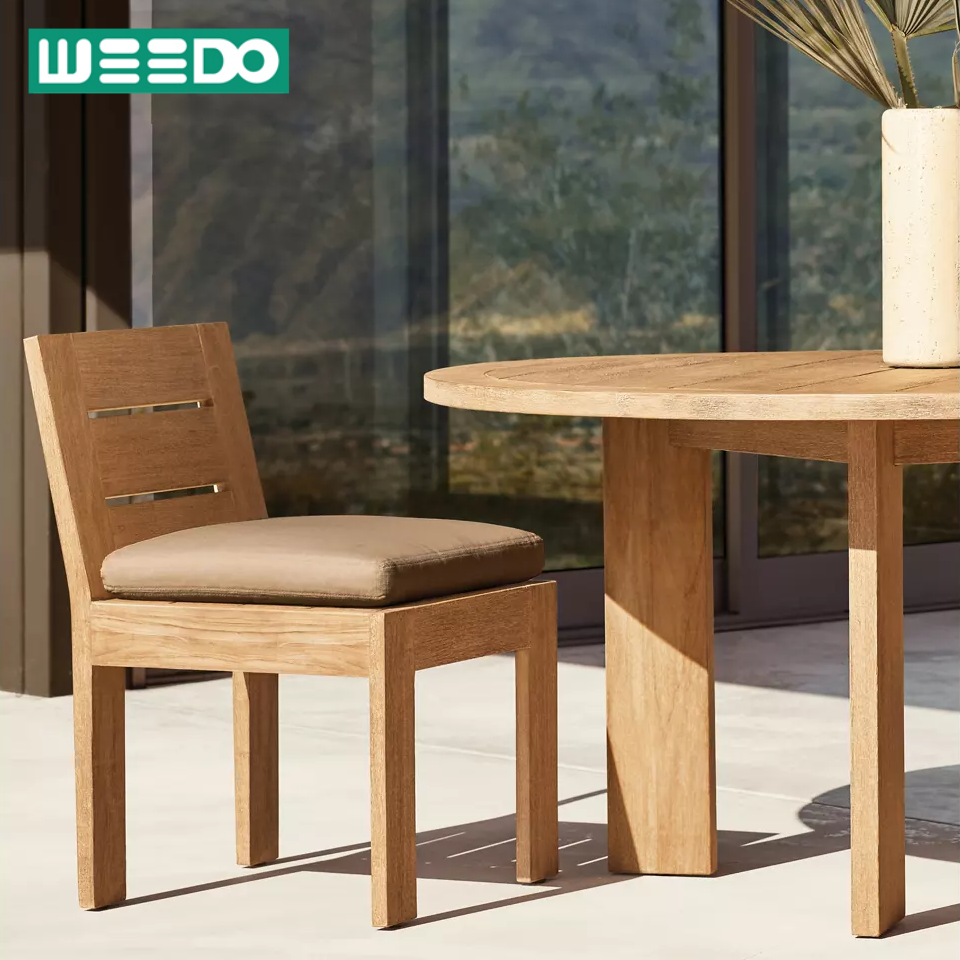
Wholesale Outdoor Table Chair Set Solid Teak Wood Outdoor Dining Set Durable Garden Furniture Courtyard Hotel Outdoor Set
View Specifications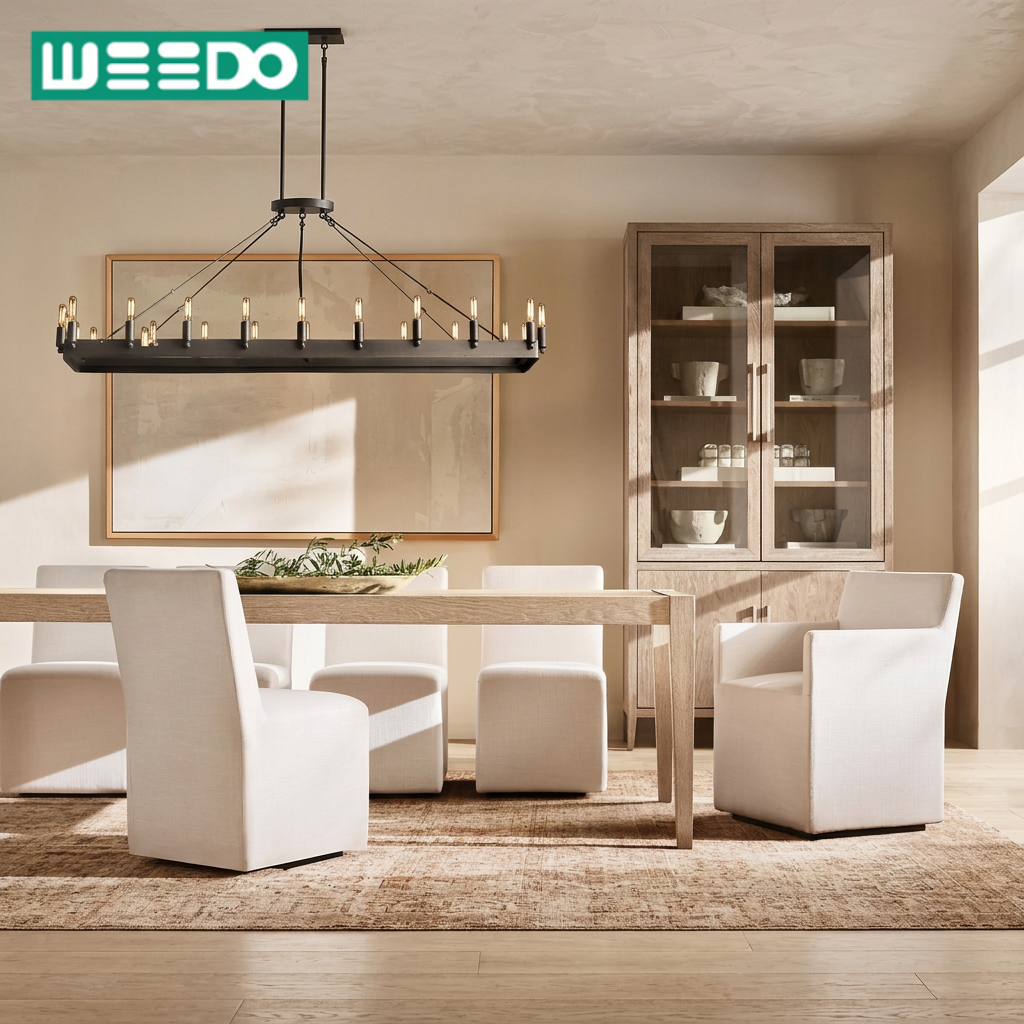
Custom Luxury Dining Room Chair with Hardwood Frame Elegant Indoor Dining Chair Premium Home Furniture for Hotel Coffee Shop
View Specifications
High-End Outdoor Sofa Set Teak Wood Combination All-weather-Resistant Waterproof Hotel Villa Garden Courtyard Furniture Set
View Specifications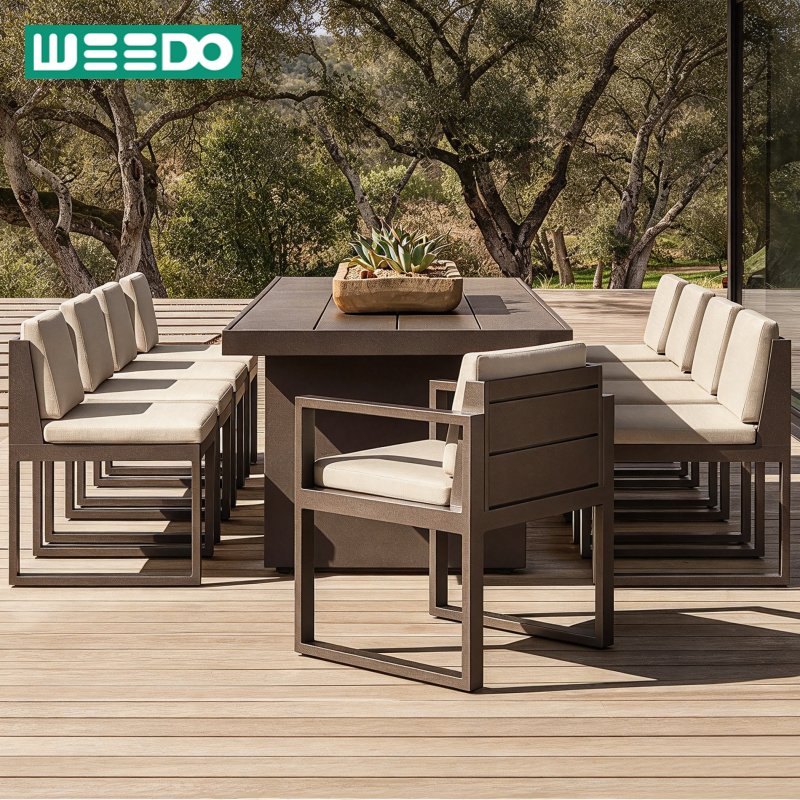
Durable Aluminum Outdoor Furniture Waterproof Eco-Friendly Villa Garden Table Set Modern Villa Patio Dining Table Chair Set
View Specifications
Modern Aluminum L-shaped Sofa Terrace Furniture Durable Coffee Table Garden Sofa Courtyard Hotel Luxury Metal Outdoor Sofa Set
View Specifications
Modern Teak Outdoor Sun Bed Eco-Friendly Resistant Garden Furniture Double Sunbed Waterproof Cushion Hotel Villa Outdoor Daybed
View Specifications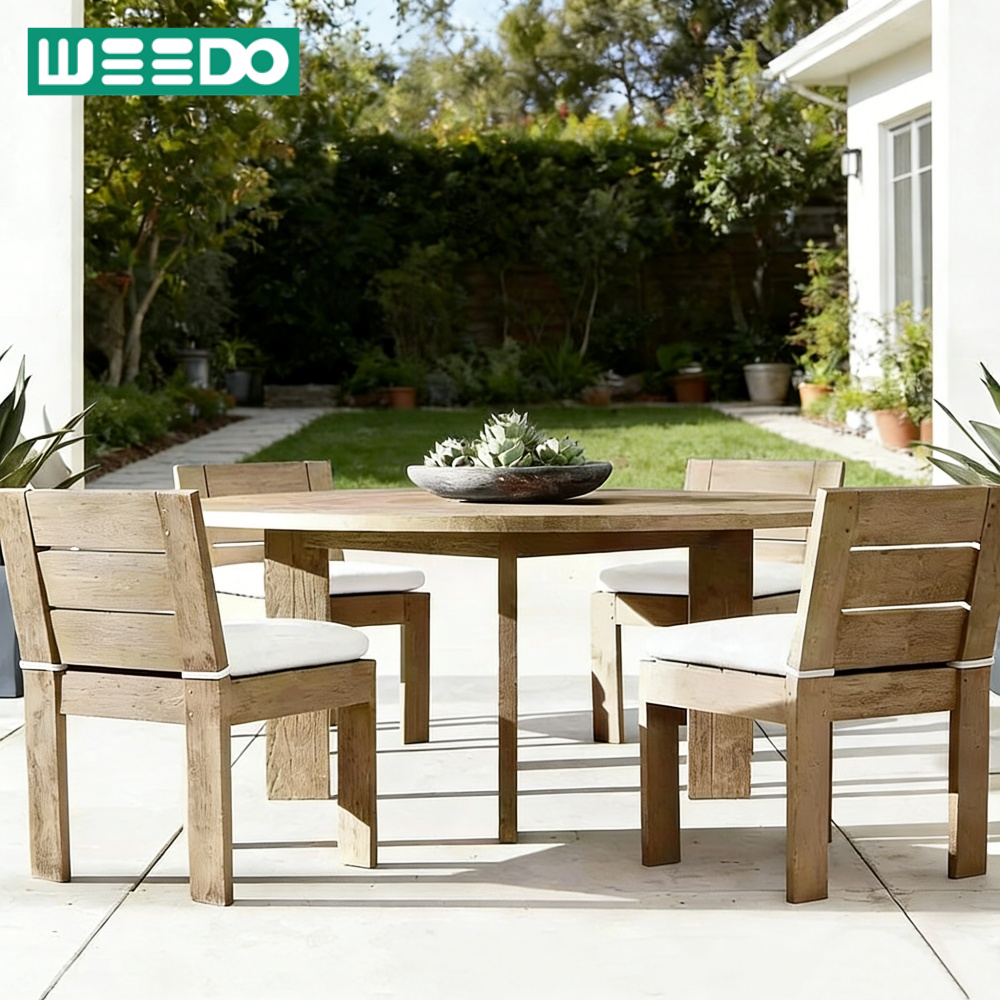
Modern Teak Solid Wood Outdoor Dining Set Waterproof Garden Dining Table and Chair Set Hotel Villa Courtyard Outdoor Furniture
View Specifications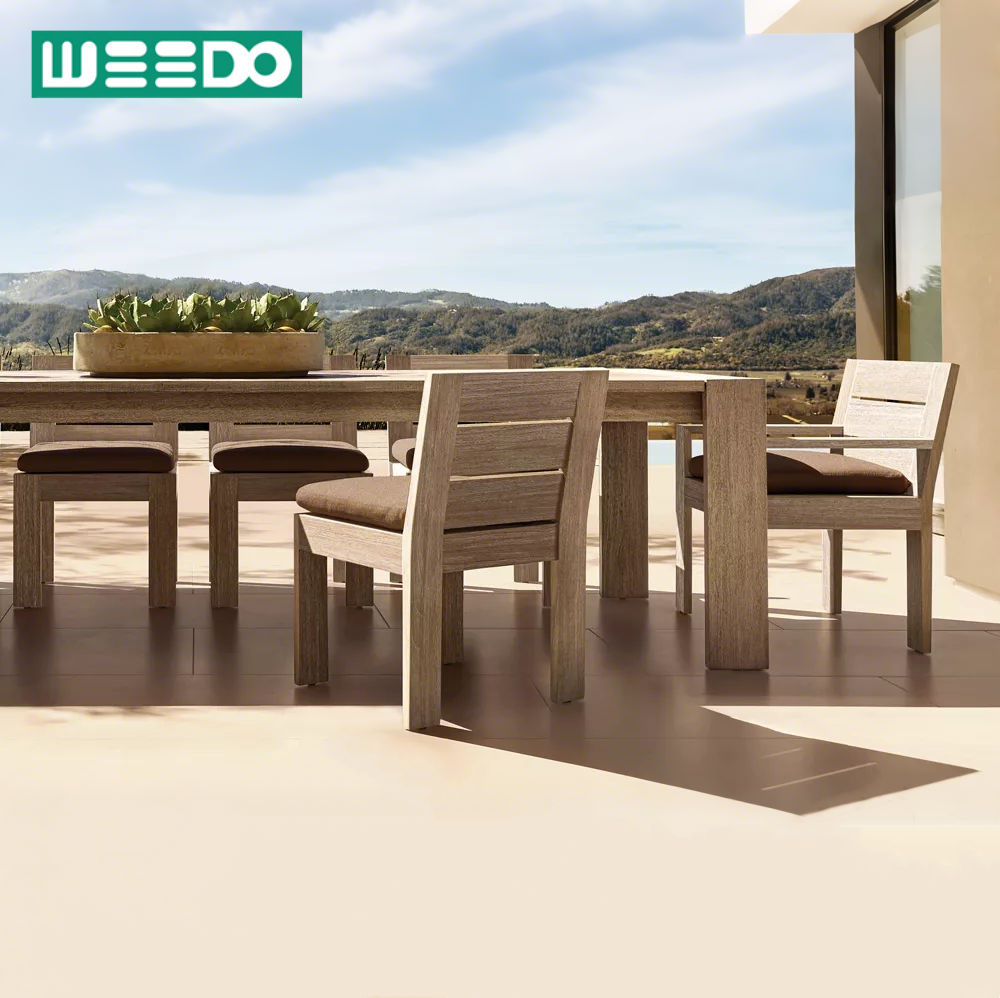
Outdoor Furniture Set Patio Outdoor Teak Wood Outdoor Sofa Set Waterproof Couch Solid Wood Villa Resort Garden Sofa Set
View SpecificationsEngineering Resilient Outdoor Environments: The Evolving B2B Landscape
As international commercial real estate developers, landscape architects, and boutique resort chains recalibrate their project budgets, the demand for contract-grade outdoor furniture has shifted away from short-lifecycle consumer goods toward hyper-durable, engineered architectural furnishings. Sourcing outdoor seating and dining environments across challenging climatic zones—ranging from saline marine coastal fronts in the Mediterranean and the Caribbean to hyper-arid desert estates in the Middle East—demands strict compliance with structural and chemical performance benchmarks.
True commercial-grade reliability starts at the sub-molecular material tier. Solid teak components require controlled kiln-drying processes that reduce core moisture levels down to 10%–12%. This critical equilibrium prevents cellular collapse, longitudinal checking, and warped profiles when exposed to seasonal moisture shifts. Parallel to hardwood curing, structural alloy components depend on seamless 6063-T5 architectural aluminum profiles, with minimum wall thicknesses calibrated between 1.8mm and 2.2mm, fortified by multi-stage nano-ceramic conversion coatings and electrostatic fluoropolymer powder finishes.
| Material Configuration | Tensile / Mechanical Spec | UV & Salt Mist Resilience | Maintenance Lifecycle | Optimal Deployment Scene |
|---|---|---|---|---|
| Kiln-Dried Grade-A Teak | Moisture 10–12%, natural tectoquinone resins | Inherent resistance to UV, rot, and fungi | Natural silver patina or annual teak oil | Luxury hotel terraces, ocean villas, cabanas |
| 6063-T5 Aluminum Alloy | Tensile strength ≥160 MPa, Wall gauge ≥2.0mm | 1,000+ hrs ASTM B117 salt spray verified | Zero corrosion maintenance; wipe-clean | High-traffic F&B dining, rooftop bars |
| Solution-Dyed Olefin & Acrylic | Hydrophobic membrane backing, QuickDry foam | AATCC 16 Class 4.0+ (1,500+ sun hours) | Removable washable slipcovers, bleach-safe | Poolside loungers, open sky daybeds |
| Polyethylene (PE) Flat / Round Rope | Synthetic polymer matrix, high memory retention | UV stabilized with HALS additives (3,000 hrs) | Rinse with clean water; tear resistant | Ergonomic garden dining, lounge seating |
Macro Trends Reshaping Contract Outdoor Sourcing
A strategic whitepaper breakdown of international procurement dynamics, material circularity, and technical standardizations defining hospitality and luxury residential projects.
Landed-Cost Optimization via Modular KD Systems
Volumetric ocean freight rates demand clever Knock-Down (KD) structural engineering. Leading commercial manufacturers now develop interlocking internal titanium-steel sleeves and concealed cam locks that ship flat-packed, tripling 40ft High Cube container yields while maintaining rigid static stability exceeding BIFMA X5.4 requirements.
Retractable & All-Weather Soft Shells
Hospitality operators demand open-cell reticulated polyether foams (QuickDry) combined with high-grade breathable solution-dyed textiles. This hybrid engineering guarantees 45-minute dry-down cycles following intense torrential downpours, eliminating downtime for outdoor F&B venues and pool clubs.
Traceability, FSC Timber & Circular LCA
Global regulatory pressure, including EUDR (European Union Deforestation Regulation), makes legal chain-of-custody documentation non-negotiable. Tier-one exporters must supply batch-level GPS coordinates for teak plantations alongside full life-cycle assessments (LCA) verifying non-toxic powder coats and recycled alloy billets.
Why Tier-1 Global Procurement Teams Rely on CLENT
Direct from our Foshan industrial hub: uncompromised raw materials, robotic tolerances, and end-to-end quality validation protocols for global furniture programs.
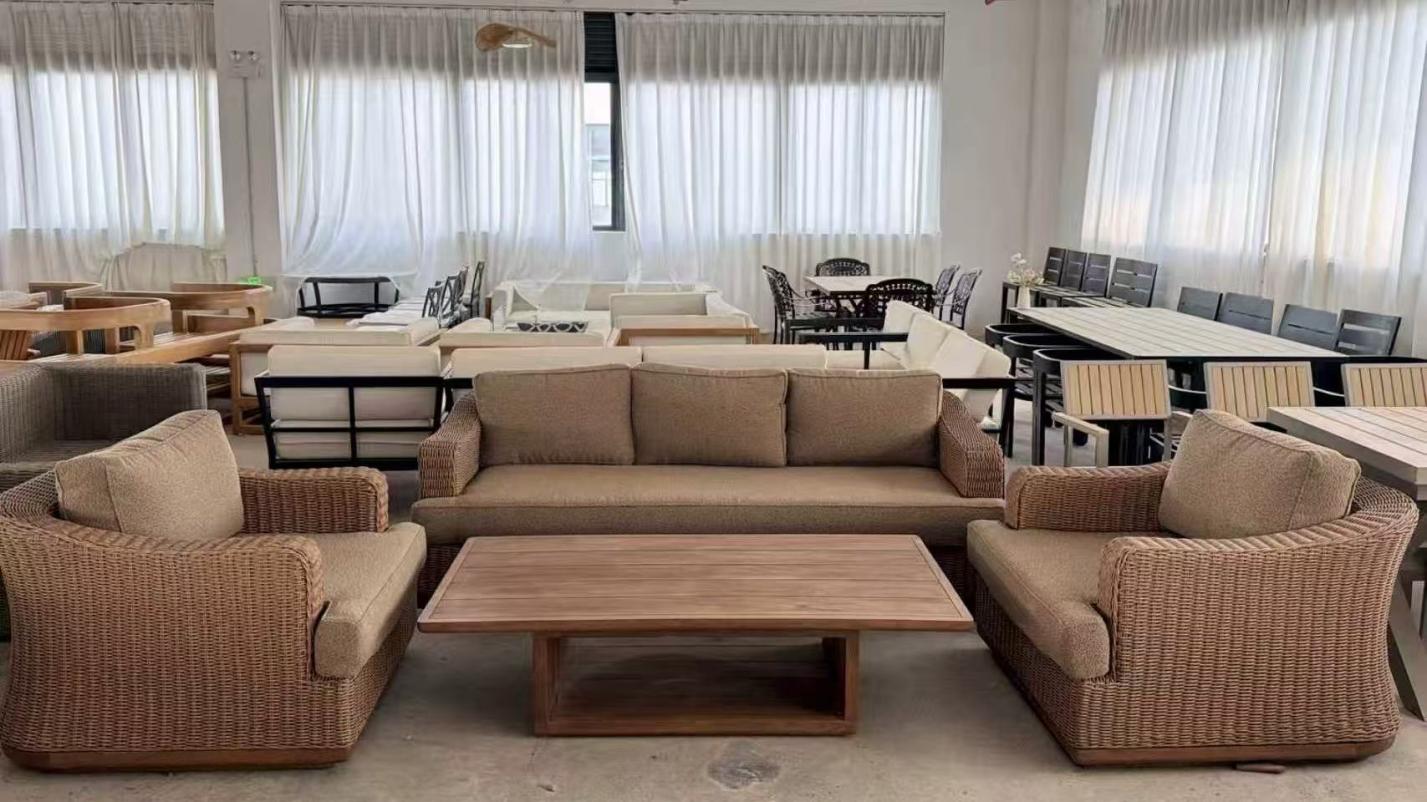
Automated 5-Axis CNC & Traditional Mortise Joinery
Our workshop pairs precision multi-axis CNC routers with generational wood artisans. Every structural joint on our Grade-A teak framing utilizes deep tenons pinned with waterproof polyurethane cross-link adhesives and marine-grade internal hardware.
- Zero-gap tolerances (<0.2mm)
- Stress-tested joinery
- Consistent bulk replication
- Kiln batch tracking
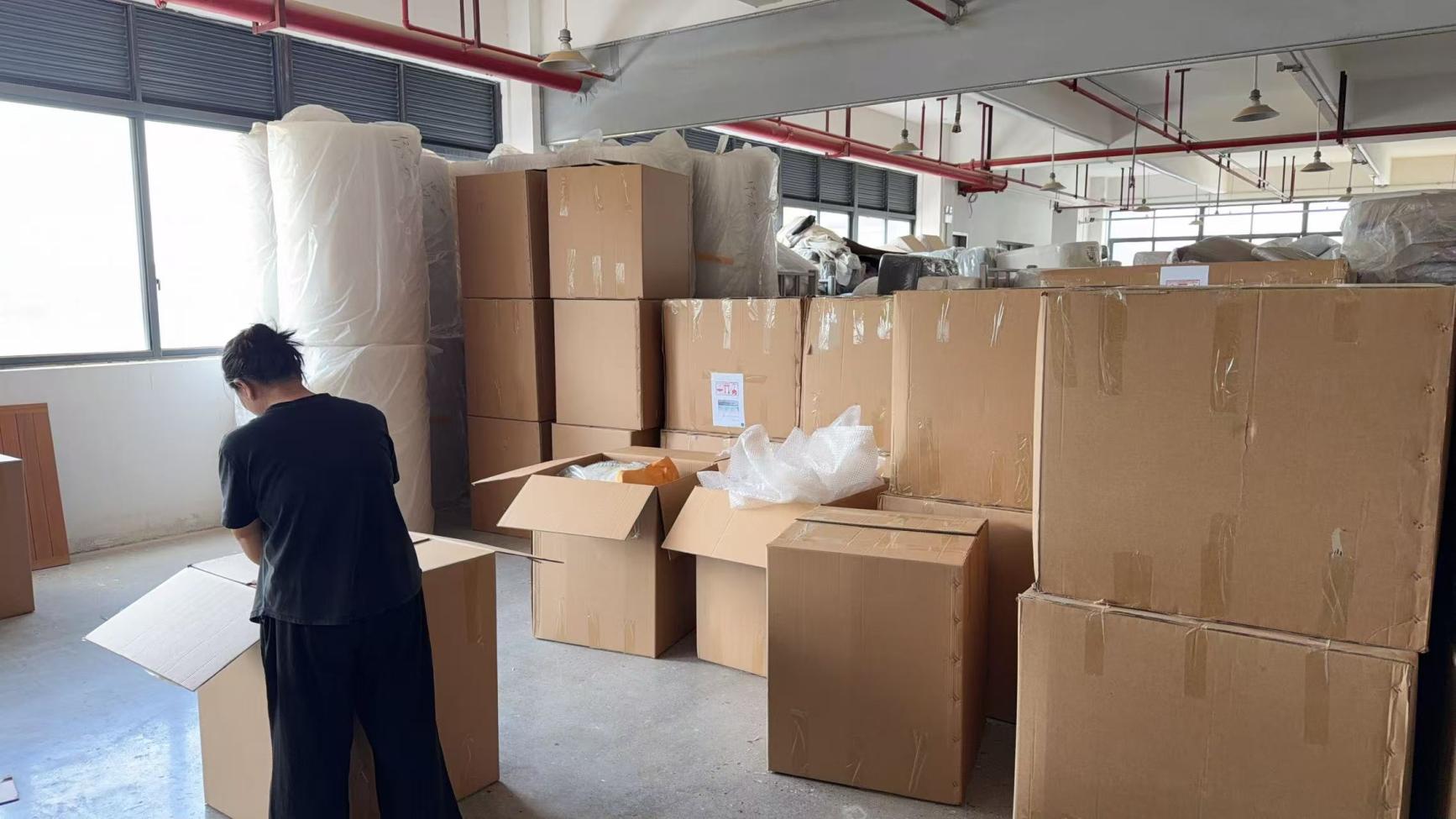
Four-Tier Quality Gate & Third-Party Validation
From timber log grading to final container sealing, batches pass through rigorous checkpoints: moisture spectroscopy, powder coat adhesion cross-hatch testing, weld penetration checks, and dynamic drop impact load simulations.
- SGS / TÜV compliance verified
- Raw material lab testing
- Pre-shipment photo dossiers
- 100% pre-assembly audits
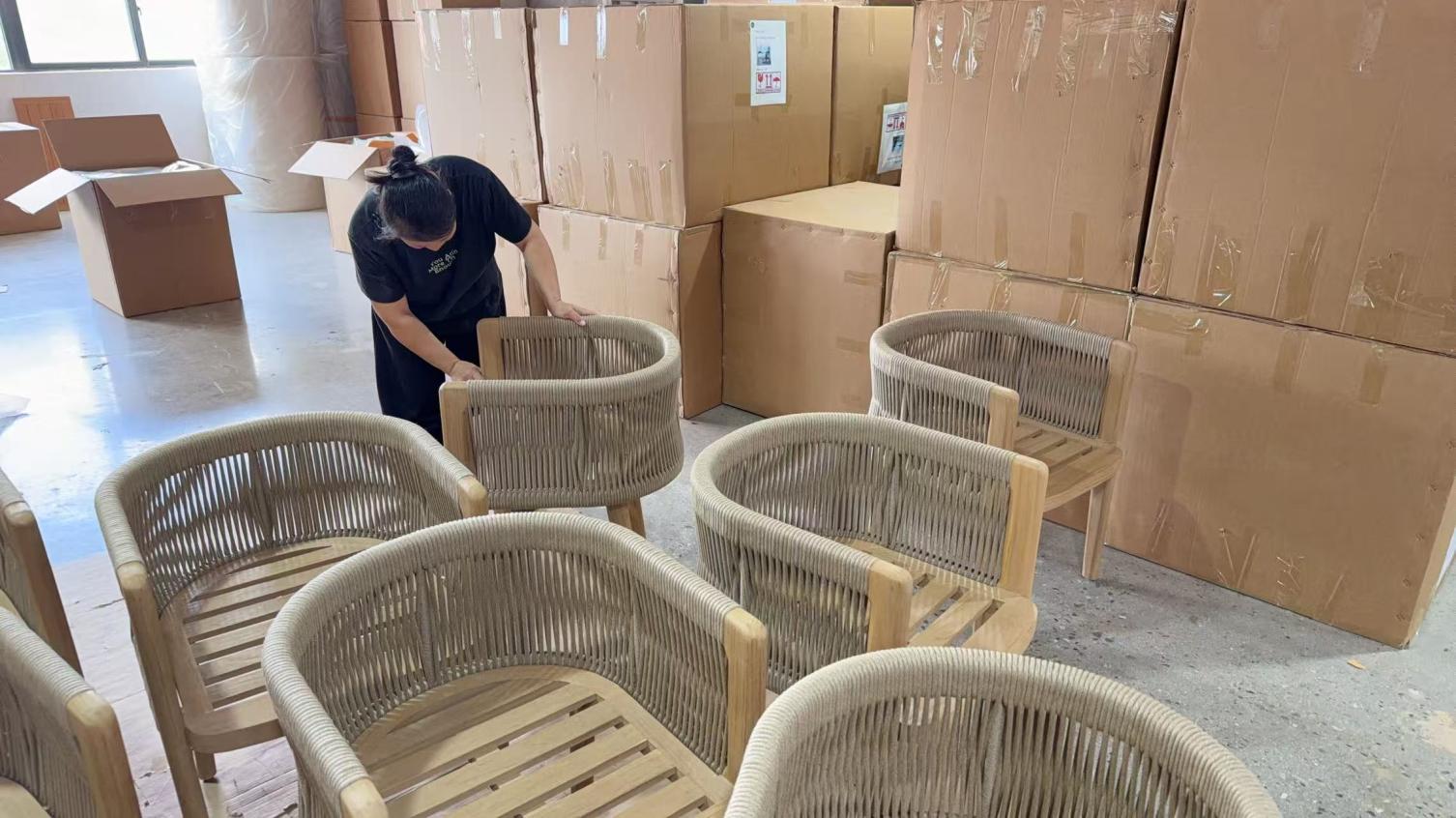
Engineered Export Packaging & Volume Efficiency
Eliminate freight-induced transit losses. We use custom 5-ply honeycomb corrugated shells, heavy-density polyethylene edge protectors, and desiccated vapor-barrier inner linings to prevent ocean sweat mold, rubbing abrasions, and impact damage.
- ISTA-3A drop test rated
- Maximized container cube
- Private label color cartons
- Moisture desiccant packs
Frequently Asked Questions on Commercial Outdoor Furniture Sourcing
Clear, technical answers from our contract engineering team on warranties, marine specifications, OEM prototyping, and container logistics.
Timber splitting in ultra-low humidity regions (e.g., UAE, Arizona) occurs when lumber is kiln-dried too fast or retains an uneven moisture gradient. Our facility employs a 35-day computer-regulated drying cycle, reducing moisture content down to 10–12%. This allows the natural silica and teak oils to cure throughout the heartwood, balancing internal hydraulic tension and preventing severe splits.
For direct saline beachfront exposure, we specify 6063-T5 aluminum framing with a minimum wall thickness of 2.0mm. Profiles undergo a multi-tank pre-treatment bath to remove surface oxidation, followed by electrostatically applied architectural powder coatings tested to ASTM B117 standards for 1,000+ hours of continuous salt-spray exposure. Internal joinery hardware is upgraded to Marine Grade 316 Stainless Steel.
Upon approval of shop drawings and digital rendering files, rapid physical prototypes are produced within 10 to 14 business days. Following master sample sign-off and color swatch approvals, standard 40ft High Cube container mass manufacturing cycles run between 35 and 45 days, depending on timber stock availability and custom fabric lead times.
Unlike standard polyurethane foams that absorb and trap water within their cellular matrix, reticulated QuickDry foam features a wide-open cell structure produced through a controlled thermal reticulation process. Water drains straight through the core instead of accumulating. When paired with solution-dyed breathable fabrics, outdoor cushions dry out within 45 to 60 minutes after downpours, completely eliminating interior mildew formation.
Yes. Our engineering department uses specialized 3D load-planning software to optimize every container cubic meter (CBM). Wherever viable, modular KD configurations and stackable chair designs are utilized. On average, our KD packaging strategies increase 40ft HC container piece counts by 28% to 40% compared to traditional fully-welded or pre-assembled furnishings, saving buyers thousands in ocean logistics fees.
Launch Your Contract Project With Foshan’s Premier Manufacturer
Whether you require full-container OEM production runs for regional wholesale distribution or custom architectural furniture suites for a world-class resort property, our production floor is ready to deliver.
Contact Us